
When daily activities become challenging for a loved one, how can we make sure they continue living comfortably and safely in their own home? In-home care offers a solution that allows individuals to receive the support they need while maintaining their independence. If you’re exploring ways to help a family member or friend with daily living, in-home care could be the key to preserving their well-being.
In this blog, we’ll explore how in-home care helps individuals in West Hartford with everything from personal care to companionship, and how it can make a significant difference in daily living.
Table Of Contents
- How In-Home Care Helps With Personal Care
- Managing Chronic Conditions At Home
- Companionship And Emotional Support
- Help With Household Chores And Meal Preparation
- Safety And Fall Prevention
- Specialized Care For Memory Conditions
- How In-Home Care Promotes Independence
- Conclusion
- FAQs
In-home care is a personalized service designed to help individuals with daily activities, whether they are recovering from surgery, managing a chronic condition, or simply need a little assistance as they age. The goal is to provide support in the comfort of one’s own home, offering a sense of security and independence while ensuring safety.
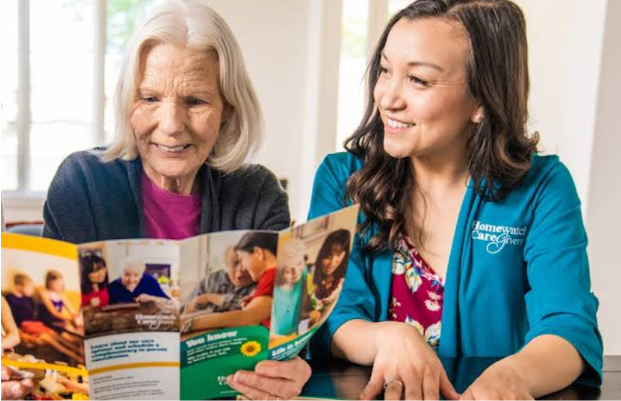
Homewatch CareGivers of West Hartford offer tailored services that meet each individual’s unique needs. From personal care assistance to companionship and specialized services like dementia care, in-home care is a versatile and essential service for many families.
How In-Home Care Helps With Personal Care
One of the most vital aspects of in-home care is assistance with personal care. This includes tasks like bathing, dressing, grooming, and toileting; activities that are essential to a person’s dignity and well-being. For those who may be struggling with mobility or have physical limitations, these tasks can become overwhelming and difficult to manage alone.
Our caregivers are trained to provide support while respecting a person’s privacy and independence. Whether your loved one requires full assistance or just a little help here and there, in-home care can provide the right level of support to help them stay clean, comfortable, and confident.
Managing Chronic Conditions At Home
Chronic conditions such as arthritis, heart disease, diabetes, and Parkinson’s disease require consistent management and attention. In-home care allows individuals with chronic illnesses to continue living at home while receiving the medical and personal care they need. Our caregivers are experienced in monitoring symptoms, helping with medication management, and offering assistance with activities of daily living.
For example, our caregivers can help monitor blood sugar levels for those with diabetes or assist with mobility exercises for someone with Parkinson’s. By offering specialized support for chronic conditions, in-home care can help individuals maintain their quality of life and prevent hospitalizations.

Companionship And Emotional Support
As we age, social isolation becomes a common challenge. In-home care offers more than just physical assistance; it provides companionship and emotional support as well. Spending time with a compassionate caregiver can alleviate feelings of loneliness and improve overall well-being.
Caregivers engage in meaningful activities like conversation, games, reading, or outings to help your loved one stay connected and emotionally supported. This social interaction is vital for mental health, especially for individuals who may not be able to engage in their usual social circles.
Our caregivers don’t just assist with tasks, but they are there to connect, providing a sense of community and joy that helps combat the isolation many seniors face.
Help With Household Chores And Meal Preparation
Maintaining a clean and organized home is essential for comfort and safety. However, for those with mobility issues or health concerns, household chores can become a daunting task. In-home care services can assist with light housekeeping tasks such as cleaning, laundry, and organizing.
In addition to housework, meal preparation is another key area where in-home care can provide support. Nutrition plays a critical role in maintaining good health, and our caregivers can help prepare nutritious meals tailored to your loved one’s dietary needs.
By helping with chores and meals, in-home care ensures that your loved one’s home remains safe, tidy, and filled with nourishing food, making it easier for them to focus on their health and well-being.

Safety And Fall Prevention
Falls are a significant concern for older adults, especially those with mobility issues or health conditions that affect balance. In-home care plays a crucial role in fall prevention by providing assistance with mobility, ensuring the home environment is free from hazards, and offering supervision during high-risk activities.
Our caregivers conduct safety assessments to identify potential fall risks and make adjustments, such as installing grab bars in bathrooms, removing tripping hazards, and ensuring that pathways are clear. With a trained caregiver by their side, your loved one can feel more secure navigating their home.
Specialized Care For Memory Conditions
Caring for someone with dementia or Alzheimer’s disease requires specialized skills and a deep understanding of the condition. In-home care can be especially beneficial for individuals with memory conditions, as it allows them to remain in a familiar environment while receiving the necessary care.
Caregivers trained in dementia and Alzheimer’s care can assist with memory exercises, daily routines, and behavioral management techniques. We offer specialized care for memory conditions to ensure that individuals receive the support they need while maintaining a high quality of life.
How In-Home Care Promotes Independence
One of the biggest benefits of in-home care is that it allows individuals to maintain their independence while receiving help. Many people want to remain in their homes and keep doing the things they love, and in-home care enables them to do so. By providing the right level of support, caregivers help clients continue with their daily routines and activities, empowering them to stay engaged and active.
Whether it’s going for a walk, attending a family event, or pursuing a hobby, in-home care gives individuals the freedom to enjoy their lives on their own terms, with the assurance that help is available when needed.

Conclusion
In-home care is a comprehensive solution that enhances daily living for individuals in West Hartford and beyond. From personal care to companionship and chronic condition management, in-home care provides the necessary support to help individuals live their lives with dignity, comfort, and independence. Whether your loved one requires full-time assistance or occasional support, in-home care can be tailored to meet their specific needs.
Compassionate In-Home Care That Enhances Daily Living
→ Tailored support to help with daily tasks and promote independence
→ Caregivers available on your schedule to fit your loved one’s needs
→ Expertise in chronic condition management for a higher quality of life
★★★★★ Rated 4.8/5 by 5+ families across West Hartford for essential care services
Home care tips:
Home Care Options: Medicare, Medicaid, and Family Caregiver Updates