
What would change in your day if a friendly, familiar face stopped by regularly just to help you feel less alone and more supported?
Many families in West Hartford reach a point where they notice a loved one spending more time by themselves, skipping meals, or losing interest in activities they once enjoyed. Physical needs may still be manageable, yet emotional well being and daily connection start to matter more. That is often when people begin exploring supportive options that allow seniors to remain at home while staying socially engaged.
In this guide, we’ll walk through what you can realistically expect from companion care, how it fits into everyday life, and how to decide if it is the right choice for you or someone you love.
Table Of Contents
- Why Companionship Plays Such A Big Role In Aging Well
- What A Typical Visit Might Look Like
- How Companion Care Supports Independence At Home
- When Memory Changes Are Part Of The Picture
- How Families Decide If Companion Care Is The Right Fit
- The People Behind The Support
- Conclusion
- FAQs
Companion care is centered on presence, conversation, and practical day to day help. It is not medical care, and it is not hands-on personal care like bathing or dressing. Instead, it focuses on keeping someone company while also supporting simple activities that make life easier.
We often explain it this way. Think of it as having a trusted helper who shows up consistently to share meals, talk about the day, go for short walks, or help with light household tasks. That steady interaction can make a meaningful difference in mood, confidence, and routine.
In West Hartford, companion services commonly include things like:
- Friendly conversation and social engagement
- Help with meal planning and preparation
- Light housekeeping such as tidying, laundry, or dishes
- Errands and grocery runs
- Accompaniment to appointments or community activities
- Gentle reminders for daily routines
What matters most is that support is shaped around your loved one’s habits, interests, and comfort level.
Why Companionship Plays Such A Big Role In Aging Well
Here is a question many families do not ask right away. Is safety the only concern, or is loneliness quietly becoming part of the picture?
Social connection affects both mental and physical health. When someone spends too much time alone, appetite often drops, motivation fades, and memory can feel less sharp. Regular companionship helps keep minds active and spirits lifted.
We see this often. A client who barely spoke during the first visit starts sharing stories after a few weeks. Someone who stopped cooking begins enjoying meals again because they are no longer eating alone. These changes may seem small, but they add up to better days.
Companion care also gives families reassurance. Knowing someone is checking in regularly helps reduce worry, especially when adult children live out of town or juggle busy schedules.
What A Typical Visit Might Look Like
No two households are the same, so visits are shaped around your routines. Still, many families ask what usually happens during a companion care visit.
A typical visit might begin with conversation over coffee, followed by help preparing lunch or organizing the kitchen. Later, there could be a short walk, a game of cards, or assistance sorting mail. Some days focus more on errands, while others center on simply spending time together.
We encourage families to think about what brings comfort or joy. Does your loved one enjoy music, gardening, or talking about local events? Those preferences become part of the care experience.
Over time, consistency matters. Familiar faces and predictable schedules help build trust, which is why matching personalities and maintaining routines is so important.

How Companion Care Supports Independence At Home
One common concern we hear is this. Will accepting help mean losing independence?
In reality, the opposite is usually true. Companion care often allows people to stay at home longer by filling in the gaps that make daily life harder.
Instead of struggling alone with shopping or skipping meals, your loved one has support. Instead of spending long days without interaction, there is regular conversation and activity. That balance helps preserve independence while adding safety and comfort.
For many families, companion care becomes part of a broader support plan. If needs change over time, services can be adjusted. Some people later add homemaking support or explore memory focused care, depending on circumstances.
If you want a closer look at how companion services are structured locally, the Companion Care page for West Hartford offers helpful details about what is included and how visits are customized.
When Memory Changes Are Part Of The Picture
Another question that often comes up is this. What if forgetfulness or confusion is already present?
Companion care can still play a role, especially in the early stages of memory loss. Regular visits provide routine, gentle engagement, and familiar faces, which can be grounding.
As needs progress, families sometimes look toward more specialized options. Dementia Care focuses on structured routines, safety awareness, and activities designed to support cognitive changes. This type of care builds on companionship while adding strategies that help individuals feel secure in their own homes.
Understanding where your loved one is today helps guide which services make sense right now.
How Families Decide If Companion Care Is The Right Fit
There is rarely one single moment when families decide to seek help. It usually happens gradually.
You might notice your parents eating less, missing appointments, or withdrawing socially. You may feel stretched thin trying to balance work, parenting, and regular check ins. Or maybe your loved one simply says they feel lonely.
We suggest asking a few honest questions:
- Are daily tasks becoming more tiring?
- Is isolation becoming common?
- Would regular company improve quality of life?
If you answer yes to any of these, companion care may be worth exploring. It also helps to involve your loved one in the conversation. When people feel included in decisions, they are more open to receiving support.
The People Behind The Support
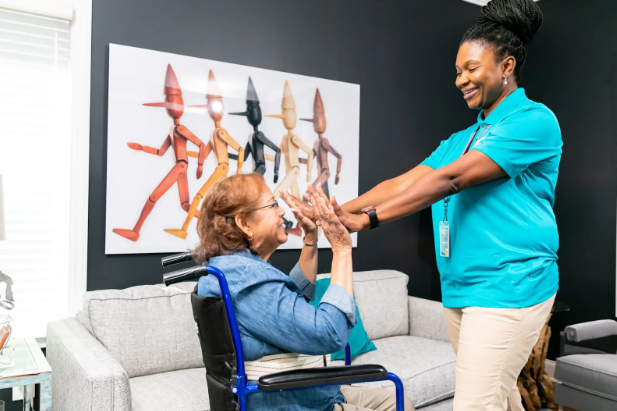
The success of companion care depends on relationships. Over time, bonds are formed through shared stories, routines, and everyday moments.
We place strong value on matching clients with caregivers who are patient, reliable, and genuinely enjoy connecting with others. Training focuses on communication, respect, and understanding how aging affects daily life.
Families often tell us that what matters most is consistency. Seeing the same familiar face each week builds comfort and trust, which is essential for meaningful companionship.
Our team at Homewatch CareGivers of West Hartford works closely with families to ensure visits feel supportive, not intrusive. The goal is always to complement existing routines, not replace them.
Conclusion
Companion care is about more than just showing up. It is about connection, routine, and helping people feel seen and supported in their own homes. In West Hartford, these services offer seniors a way to stay socially engaged while receiving practical help with everyday tasks.
If you are noticing signs of isolation or growing challenges with daily activities, companion care can provide a gentle bridge between independence and additional support. With the right approach, home remains a place of comfort, familiarity, and meaningful connection.
Care That Helps Seniors Stay Safe And Comfortable At Home
→ In-home support that encourages steady movement and safer transfers
→ Flexible scheduling built around your loved one’s daily routines
→ Local care teams who prioritize dignity, confidence, and safety
★★★★★ 4.8/5 Trusted by families across West Hartford for essential care services
Home care tips:
Home Care Options: Medicare, Medicaid, and Family Caregiver Updates
More Than Just Assistance: The True Benefits of Home Care