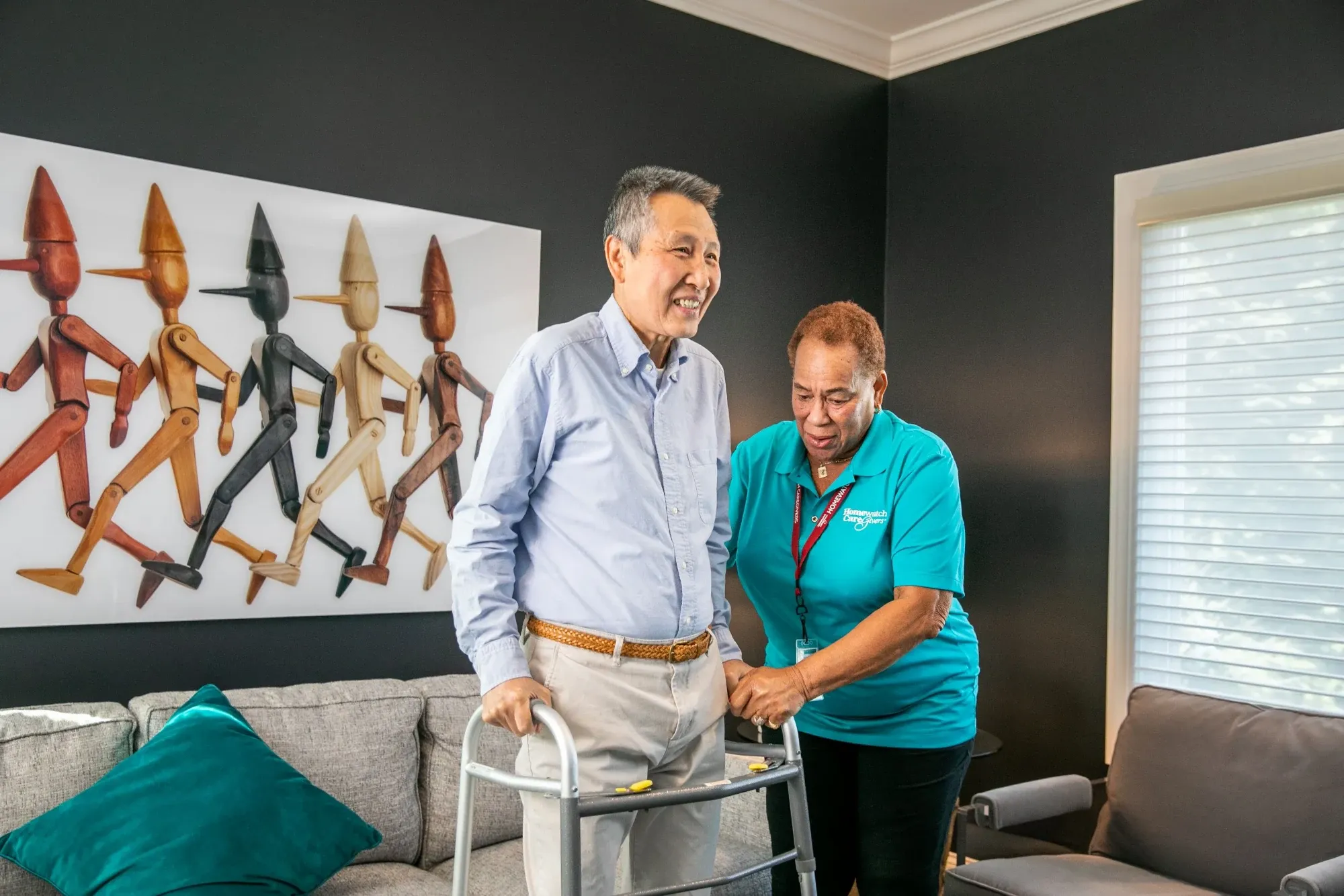
Natasha and Tim were very professional , thorough and thoughtful in finding the right caregiver for my husband. Amara is perfect for our family. He is kind, patient, and understanding.. He is always on time and happy to do whatever is asked. We have already recommended Homewatch to another family.
Marcia Walz
Jul 27, 2026
Homewatch CareGivers of Elmhurst has been the best choice for our family to provide caregiving for Dad. Jeff the President and Owner along with Natasha the Operations Manager have been the key elements of what makes their caregiving business at the Elmhurst location stand out from others. They genuinely care for the client and their family, going above and beyond expectations even after business hours. Although the level of care has changed for Dad we continue to keep Homewatch CareGivers of Elmhurst in our circle of family and friends knowing that we can call on them in a moment's notice for any caregiving provisions or advice.
Steven Lukas
Jun 27, 2026
This is the best homecare agency in Elmhusrt, hands down Jeff is the best owner and he's very compassionate when it comes to his clients.
Chyan Jones
May 07, 2026
Homewatch CareGivers of Elmhurst, a very well-run business, helped our family greatly when we needed them. Originally we hired them because of my wife's serious illness and because I could not handle everything (house and care for my wife). Later we needed to place my wife in hospice care in our home. This organization provided very caring and competent employees for round the clock service for several weeks. The employee enthusiasm, hard work, and sincere caring bonds with my wife were truly impressive. I believe most of that comes directly from the top: Jeff and Natasha continually excel at this. They exhibit fairness to customers and employees, together with a wealth of common sense.
Barbara Dell
Apr 25, 2026
Very happy with the card and communication provided.
Kathy McCabe
Mar 03, 2026
Jeff is extremely helpful, patient, and compassionate. I would highly recommend his team for anyone exploring caregiving services for their family.
Daniel Suchow
Feb 18, 2026
Great care. Everyone knowledgeable and pleasant. Owners kept track of anything you needed and made sure you got it. Caregivers well trained. Would have given 5 stars but week end help sometimes not available at last minute. Owners would step in to help but I don't like surprises with caregivers
Eileen Golnik
Feb 08, 2026
No one prepares you for the journey that is caring for a loved one with dementia. However, if it ends up being a journey you face, you want administrators like Natasha and Jeff and caregivers like Kayla on your side. They are perceptive, compassionate, and provide as much comfort to family members as patients themselves. While watching a parent struggle is an experience I wouldn't wish on anyone, but what makes it navigable is the ability to trust in people who will enable your loved one to maintain a sense of dignity and the knowledge that they aren't alone. Homewatch CareGivers is a blessing at an extremely difficult time, and, as such, they are gamechangers.
Katie Marsico
Jan 27, 2026
Highly recommended. They’ve been extremely helpful since the beginning. 7 days a week they attend to my grandmother everyday task and make sure she’s taken care of. Gives peace of mind knowing I have a great staff looking after my grandmother.
Kyle
Dec 12, 2025
Fantastic outfit, they really put compassion and caring for your loved one first. Very dependable, willing to go the extra mile with any extraordinary needs. Their staff has alot of experience in this field and they treat your loved one with great care. They have been a lifeline for us during this challenging time. They go above and beyond to ensure your loved one’s comfort and happiness. Give them a try, you won’t regret it.
Mark Pulikowski
Dec 09, 2025
Authority Brands is the leading provider of in-home services, building brands that support the success of franchisees as well as better the lives of the homeowners we serve and the people we employ.