
Care on demand is helpful when a family needs support quickly, but does not want to commit to a long term care schedule before understanding what the situation really requires.
But more often than not, short term care can feel confusing because the need may not look permanent. A senior may be recovering from illness, adjusting after a procedure, waiting for family to return, or needing supervision while a routine settles again. You may know help is needed, yet wonder whether it makes sense to arrange care for only a small window of time.
Table Of Contents
- Why Short Term Help Can Make A Big Difference
- When Short Term Help Fits Real Life
- What Short Term Support Can Include
- How To Decide What Level Of Help Makes Sense
- How Short Term Care Helps Families Think Clearly
- Conclusion
- FAQs
We believe temporary support can be just as important as long term care. The goal is not to take over a person’s life. The goal is to make the difficult stretch easier. Families usually want practical support that fits the moment. This support can turn a tense day into a steadier one.
Why Short Term Help Can Make A Big Difference
Short term support works because many care needs are temporary, unpredictable, or tied to a specific situation. A loved one may be mostly independent but still need help during recovery, bad weather, a medication change, or a week when family support is limited.
Small Gaps Can Create Real Risk
A missed meal, a skipped shower, or one unsafe walk to the bathroom may not sound serious until it happens. Short gaps in support can create stress for seniors and families, especially when mobility, memory, balance, or fatigue are involved.
You should not wait until a small challenge becomes a crisis. If a certain part of the day feels risky, that is often the time when temporary care can help most.
Flexibility Matters For Families
Family caregivers often carry responsibilities that change from week to week. Work schedules, school pickups, travel, appointments, and personal health can all affect how much help you can provide.
Temporary care gives families room to breathe without making a permanent commitment. It can also help you test what kind of support feels right before deciding whether longer care is needed.
When Short Term Help Fits Real Life
Short term home care is useful when a loved one needs help now, but the future plan is still forming. It gives you support while you decide what comes next.
After An Illness Or Medical Visit
A senior may return home tired after urgent care, a hospital stay, rehabilitation, or a routine procedure. Even when discharge instructions are clear, the first few days can be tiring. Help with meals, walking, reminders, bathing, and light household tasks can make recovery feel safer.
You should not assume that being cleared to go home means every task will be easy. Home can still require careful movement and steady support.
During A Family Schedule Gap
Sometimes the need is not medical. A family caregiver may be out of town, working late, attending an event, or simply needing a break. Short term coverage can keep the home routine steady while family responsibilities shift.
When Safety Concerns Show Up Suddenly
A fall scare, confusion at night, skipped meals, or trouble managing stairs can make families realize more help is needed. Short term support gives you time to observe the situation without rushing into a long term decision.
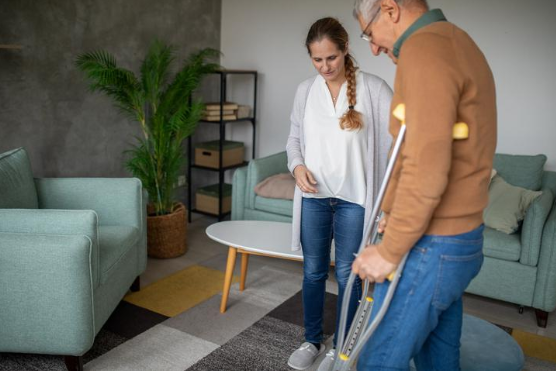
If the concern repeats, you can use those care visits to understand patterns. Which hours are hardest? Which tasks cause worry? Which rooms feel unsafe?
What Short Term Support Can Include
Short term care should match the person, not a template. Some people need help getting ready in the morning. Others need transportation, companionship, or supervision during evening routines.
A short term plan may include these supports.
- Personal care such as bathing, grooming, dressing, and toileting
- Meal preparation, hydration reminders, errands, and light housekeeping
- Mobility support, transfer assistance, and safety reminders
- Companionship, conversation, and help with daily structure
Help With Personal Care
Private tasks can feel difficult after illness, weakness, or pain. A caregiver can help with bathing, dressing, grooming, and toileting while protecting dignity. This kind of help can also reduce fall risk in bathrooms and bedrooms, where movement often requires balance and patience.
You should encourage your loved one to accept support without making them feel helpless. The right help should feel respectful and calm.
Meals, Errands, And Appointments
Short term support can keep ordinary tasks from becoming overwhelming. A caregiver may prepare a simple meal, help organize groceries, offer reminders, or provide transportation to appointments.
These tasks may seem small, but they hold the day together. When meals, hydration, and appointments stay on track, families can focus on the bigger picture.
Companionship And Daily Confidence
A short term caregiver is not only there for tasks. Companionship can ease loneliness, especially when a senior is spending more time at home than usual. A friendly presence can make the day feel less empty and less stressful.
How To Decide What Level Of Help Makes Sense
Choosing short term care starts with the most important question. Where does the day feel hardest or least safe? The answer may be morning hygiene, lunchtime meals, evening confusion, transportation, or overnight worry.
Start With The Riskiest Times
You do not have to cover every hour to make care useful. Sometimes two hours in the morning solves the biggest problem. Sometimes evening support helps prevent unsafe wandering, missed dinner, or difficult bedtime routines.
We suggest looking at the day in sections. Which time would bring the most relief if someone trustworthy were there?
Keep The Plan Easy To Adjust
A short term plan should not feel locked. Needs can change quickly. Your loved one may regain strength, need more help after a setback, or decide they enjoy the added companionship.

Support from professional caregivers can help families notice what changes during visits and adjust the routine with care. You should review the plan often and keep communication open.
Choose Support That Respects Independence
Short term care works best when it protects independence instead of replacing it. A caregiver can help with the parts that are hard while still encouraging your loved one to do what they safely can.
This balance matters. Too little help can create risk. Too much help can make someone feel controlled. The right plan sits between those two points.
How Short Term Care Helps Families Think Clearly
When a family is tired or worried, every decision can feel urgent. Short term support creates space. You can watch how your loved one responds, talk with relatives, review safety concerns, and plan without rushing.
It Can Bridge To A Longer Plan
Some short term care ends after a few days. Some reveal that more regular support would help. Neither outcome is wrong. The value is having enough help to make a thoughtful choice.
If your loved one improves quickly, care can taper down. If needs grow, you already have a clearer sense of what daily support should include.
It Keeps Care Personal
Short term care should still feel personal. Routines, food preferences, mobility concerns, conversation style, and privacy all matter. A few visits should not feel generic.
Homewatch CareGivers of Elmhurst supports families with flexible care that can fit changing needs, whether help is needed for a short recovery window, caregiver relief, or a sudden schedule gap. Our focus is to keep home safer and more comfortable while respecting the person behind the plan.
Conclusion
Short term support can make a difficult week feel more manageable. It helps seniors stay safer during recovery, gives family caregivers relief, and keeps daily routines from falling apart when life changes quickly.
You should not ignore a temporary care need just because it may not last. A few hours of help can prevent stress, reduce risk, and give your family time to make better decisions.
Flexible care is useful because life does not always give families weeks to plan. When support can meet the moment, your loved one can remain at home with more comfort, dignity, and confidence.
Short Term Care That Shows Up When Plans Change
→ Get support for sudden gaps, recovery days, or family schedule changes
→ Help your loved one stay safe without a long term commitment
→ Add care only when it is needed, with comfort and dignity
★★★★★ Rated 4.9/5 on Google from 10+ recent client reviews
Homecare Tips: