
Could the right person walking through your front door change how safe and steady your loved one feels at home?
Choosing a home caregiver is personal. You are not only comparing schedules or services. You are deciding who will share quiet mornings, help with private routines, notice small changes, and support your family when daily care feels heavier than expected. In Windsor, CT, families often want help that respects independence while making home feel safer, calmer, and more manageable.
Table Of Contents:
- Start With Real Needs And The Right Support
- Check Screening, Training, And Supervision Before Anything Else
- Choose A Care Plan That Fits Windsor Life
- Pay Attention To Personality, Dignity, And Trust
- Know What You Should Avoid When Comparing Care Options
- Conclusion
- FAQs
At Homewatch CareGivers of Windsor, we understand that the best choice is not always the fastest one. A thoughtful process helps you find care that fits your loved one, your household, and your comfort level.
Start With Real Needs And The Right Support
Before you call anyone, pause and look at the day as it really happens. What feels hard before breakfast? Which errands get skipped? When does your loved one seem tired, confused, lonely, or unsafe? A good caregiver choice begins with real routines, not guesses.
Notice Daily Patterns Before Choosing Care
Write down what you see for several days. Maybe laundry is piling up, meals are getting smaller, medications are being missed, or bathing has become stressful. Maybe your parents are physically safe but spending too many hours alone. These details help you ask for the right type of support instead of accepting a general care plan.
Include Your Loved One In The Conversation
Care works better when the person receiving help feels heard. Ask what would feel useful, what would feel uncomfortable, and what they want to keep doing on their own. You should not frame care as giving up control. It can be described as adding steady help so your loved one can keep more of the life they enjoy.
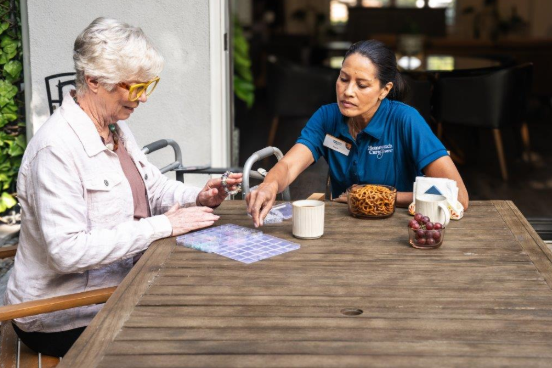
Home care can mean many things. Some families need help with dressing, bathing, mobility, or meal preparation. Others need reminders, light housekeeping, transportation, or friendly conversation. The best caregiver is the one whose skills match the actual day in simple, practical, reassuring ways, each visit for your family.
Know The Difference Between Helpful And Necessary
There is a difference between help that would be nice and help that protects health or safety. If your loved one has trouble getting in and out of a chair, mobility support may matter more than errands. If they forget meals, meal prep may be more important than laundry. Make your priority list honest.
Plan For Needs That May Change
Care needs rarely stay the same forever. Recovery after surgery may begin with short visits and later taper down. Dementia care may start with reminders and grow into more structured supervision. Ask how a care plan can be adjusted when routines, risks, or family availability change.
Check Screening, Training, And Supervision Before Anything Else
A warm personality matters, but it should not replace proper hiring standards. When someone is entering your loved one’s home, you deserve clear answers about background checks, training, insurance, scheduling, and supervision. The right agency should welcome detailed questions.
Ask How Caregivers Are Selected
You should ask how caregivers are interviewed, screened, and matched. Experience with seniors is important, but so are patience, reliability, communication, and respect for privacy. Good matching considers personality as well as tasks.

Look For Ongoing Guidance
Care should not feel unmanaged once visits begin. Ask who you contact with concerns, how updates are handled, and how often the care plan is reviewed. Professional caregivers need support, too, and families benefit when there is a clear team behind the care.
A few smart questions can reveal a lot.
- What happens if the regular caregiver is sick or unavailable?
- How are changes in mood, appetite, mobility, or memory reported?
- Can the schedule increase or decrease as needs change?
- Who helps resolve concerns if the match does not feel right?
Choose A Care Plan That Fits Windsor Life
Local routines matter. A caregiver in Windsor may support grocery trips, appointments, family visits, short walks, meal routines, or safe time at home while relatives work. Care should fit the rhythm of your loved one’s neighborhood and daily preferences.
Think about the small things, too. A caregiver may need to understand preferred meal times, church routines, favorite routes through town, pets in the home, or how your loved one likes to start the morning. These details make care feel familiar quickly instead of forced from day one.
Think About Transportation And Errands
If driving is no longer comfortable for your loved one, transportation support can protect independence. Ask whether help can include appointments, pharmacy trips, grocery shopping, or local errands. Reliable transportation support can also reduce the pressure on adult children who are balancing work, parenting, and care.
Ask How Scheduling Works
Some families need a few hours of support each week. Others need longer visits, respite care, or help across mornings and evenings. You should ask about minimum shifts, weekend availability, backup coverage, and how quickly care can begin after an assessment. Flexible scheduling is valuable when family life is unpredictable.
Pay Attention To Personality, Dignity, And Trust
Skills matter, but comfort matters too. Your loved one may be accepting help with deeply personal tasks, sharing family stories, or adjusting to a loss of independence. The caregiver’s tone, patience, and presence can shape the whole experience.
Watch How Communication Feels
During an introductory conversation, notice whether your questions are answered clearly. Do you feel rushed? Does the care team listen to your loved one, not only to you? Do they ask about preferences, habits, food, pets, hobbies, and concerns? Good care begins with careful listening.
Respect Matters In Private Moments
Personal care requires more than task completion. Bathing, dressing, grooming, and toileting should be handled with patience and dignity. Your loved one should never feel talked down to or hurried. The right caregiver protects privacy and encourages independence wherever possible.
Emotional Fit Is Part Of Safety
A caregiver who notices mood changes, isolation, or anxiety can help families respond sooner. For many seniors, companionship is not a small extra. It can make meals more pleasant, walks more likely, and long afternoons feel less empty.
Know What You Should Avoid When Comparing Care Options
A careful choice also means knowing what not to do. Families often feel pressure after a hospital discharge, a fall, or sudden caregiver burnout. That urgency is real, but quick decisions should still be thoughtful.
Do Not Choose Only By Price
Budget matters, and you should ask clear questions about rates, minimum hours, payment options, and possible changes. Still, the lowest price may not give your family the reliability, supervision, or flexibility you need. Compare value, not just cost.
Do Not Ignore Your Loved One’s Reaction
If your parents seem uncomfortable, listen. Some nervousness is normal at first, but repeated resistance may mean the match, schedule, or approach needs adjustment. You should not force a poor fit just because the paperwork is done.
Do Not Accept Vague Answers
Be cautious when answers sound unclear. You should understand what services are included, what is not included, who manages concerns, and how caregiver changes are handled. Clear expectations protect everyone.
Conclusion
Choosing a home caregiver in Windsor, CT is really about choosing steadiness. You want someone who can support daily life without taking over, protect safety without creating fear, and help your loved one stay connected to home. Start by understanding real needs, then compare training, screening, communication, scheduling, and personality fit.
The best decision is rarely based on one factor. It comes from asking practical questions and trusting what you notice. When care feels respectful, reliable, and personal, families can breathe a little easier, and older adults can feel more comfortable in the place they know best.
Choose Home Care With Confidence In Windsor, CT
→ Find caregiver support that fits your daily needs
→ Get guidance from a team that listens first
→ Start care that can adjust as life changes
Connect with Homewatch CareGivers Of Windsor to choose the right caregiver for care at home →
★★★★★ Rated 4.1/5 by 21+ local families for compassionate, dependable home care services
Homecare Tips: