
What starts as a few small chores, then slowly changes how safe home feels every day?
For many seniors, safety risks stem from a buildup of everyday hazards like clutter, uncleaned spills, and poor lighting rather than a single major issue. The CDC and National Institute on Aging emphasize that maintaining clear paths and dry floors is essential for preserving independence and reducing fall risks.
Table Of Contents:
- Why Light Housekeeping Matters More Than It Sounds
- The Everyday Hazards That Build Up Quietly
- What Light Housekeeping Usually Includes
- How Regular Help Supports Independence
- When It May Be Time To Bring In Extra Help
- Conclusion
- FAQs
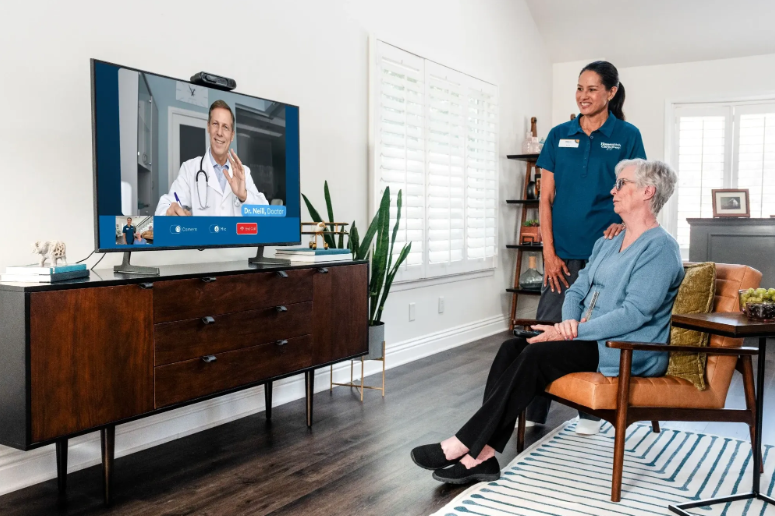
That is why light housekeeping matters more than it may seem at first. A safer home is often a steadier home, and steadiness usually comes from small routines being handled consistently. On its Windsor service pages, Homewatch CareGivers of Windsor explains that in-home care can include light housekeeping, laundry, meal preparation, companionship, and support designed to help people remain in the comfort of home and retain independence longer.
Why Light Housekeeping Matters More Than It Sounds
Families often view housekeeping as a comfort, but it is actually a critical safety matter. The National Institute on Aging and Health in Aging advises keeping walkways clear of cords and clutter, arranging furniture for easy movement, and cleaning spills immediately.
As these tasks become difficult, risks like damp spots or loose rugs quietly increase fall hazards. Staying safe is rarely about one major fix; it is about preventing small daily hazards from becoming emergencies.
A Cleaner Home Can Also Mean Less Physical Strain
Could the chores themselves be the problem, not just the mess they leave behind?
In many homes, yes. Reaching for supplies, carrying laundry, bending to scrub, lifting trash, or climbing to get something down can all add strain for an older adult with balance issues, fatigue, joint pain, or limited mobility. NIA recommends keeping commonly used items within easy reach and avoiding unsafe reaching, while Mayo Clinic Health System points to clear walkways, secure stairs, and safer bathroom surfaces as key parts of home safety for seniors.
The Everyday Hazards That Build Up Quietly
Walkways often accumulate safety hazards like throw rugs, cords, and clutter. The NIA and Health in Aging recommend keeping paths clear, removing rugs, and arranging furniture to ensure unobstructed movement.
Regular housekeeping supports aging in place by maintaining orderly, vacuumed floors. This consistency builds confidence for those with limited mobility, making the home easier and safer to navigate.
Kitchens And Bathrooms Need More Attention Than People Expect
The kitchen and bathroom are two of the most important rooms when we talk about senior safety at home. NIA advises cleaning spills immediately in the kitchen and keeping frequently used utensils and cookware within easy reach. Health in Aging advises using grab bars near the toilet and shower, rubber mats in the tub, and safe water temperature settings to reduce bathroom risks. Mayo Clinic Health System also highlights slip-resistant surfaces, grab bars, and better lighting in these areas.
These rooms also collect the kind of mess that quickly becomes risky. A greasy floor, an overfilled trash can, wet towels, or items stacked where they are hard to reach may seem minor at the moment. Over time, though, they can make the most used parts of the home more stressful and less safe to navigate.
Laundry And Hard To Reach Tasks Can Turn Into Fall Risks
Laundry and high-shelf tasks pose risks like falling while carrying baskets on stairs or straining to change linens. NIA recommends keeping essentials at waist level and avoiding standing on furniture to reach items, as falls often occur during these routine chores.
Delaying chores due to fatigue makes a home less safe and comfortable. As clutter builds and cleaning is postponed, the environment requires more physical effort to navigate, increasing the burden on the resident.
What Light Housekeeping Usually Includes
In practical terms, homemaking support often focuses on the routine chores that help a home stay usable and safe instead of letting them build into larger problems. On its Windsor pages, Homewatch lists help with healthy meal preparation, errands, transportation, light housekeeping, laundry, linen changes, light chores, and respite for family caregivers as part of these services.
A light housekeeping routine may include
- Picking up clutter and keeping walkways clear
- Laundry, linen changes, and making the bed
- Wiping counters, washing dishes, and taking out trash
- Light sweeping, vacuuming, and keeping frequently used spaces tidy
Those tasks sound simple, but they directly connect to several home-safety recommendations from NIA, Health in Aging, and Mayo Clinic Health System, especially around clear paths, dry floors, reachable items, and safer kitchens and bathrooms.
It is also helpful to keep expectations realistic. Light housekeeping is not the same as major home repair, heavy-duty scrubbing, or fixing structural hazards. If stairs are broken, railings are loose, outlets are unsafe, or a bathroom needs modifications, those issues need a different level of attention. What light housekeeping can do is reduce the daily clutter, buildup, and strain that make an already vulnerable home feel harder to manage.
How Regular Help Supports Independence
What helps someone stay independent longer, doing every task alone or getting the right help with the hardest ones?
For many seniors, it is the second option. When the most tiring chores are handled or shared, more energy is left for bathing, walking safely, preparing to go out, or simply enjoying the day. The Windsor Homewatch pages describe person-centered plans, household chore support, and services intended to help daily activities feel safer and more manageable at home.
That is where professional caregivers can make a real difference. The goal is not to take over the home. The goal is to help you keep using it safely, with less fatigue, less risk, and less stress around the tasks that have started to feel heavy.
Consistency Helps More Than Occasional Catch Up
Many families do a big cleanup when things start looking out of control. That can help for a day, but safety at home usually depends on consistency more than rescue cleaning. Clear floors, fresh linens, wiped surfaces, and manageable laundry loads do more for daily stability when they happen regularly. NIA and Health in Aging both frame home safety as a set of ongoing habits, not a one-time fix.
Regular support can also reduce the pressure on family members who are juggling work, children, and caregiving. When basic chores are more predictable, the household often feels calmer for everyone involved.
When It May Be Time To Bring In Extra Help
A senior does not need to be in an obvious crisis before extra support makes sense. Often, the first signs are subtle. Laundry starts piling up. Counters stay cluttered. The bathroom floor feels less safe. Meals become simpler because cleanup is too tiring. Family members notice that the home no longer looks like it used to. On its service pages, the Windsor office notes that care can include household chores, social engagement, hygiene support, physical assistance, and customized plans based on individual needs.
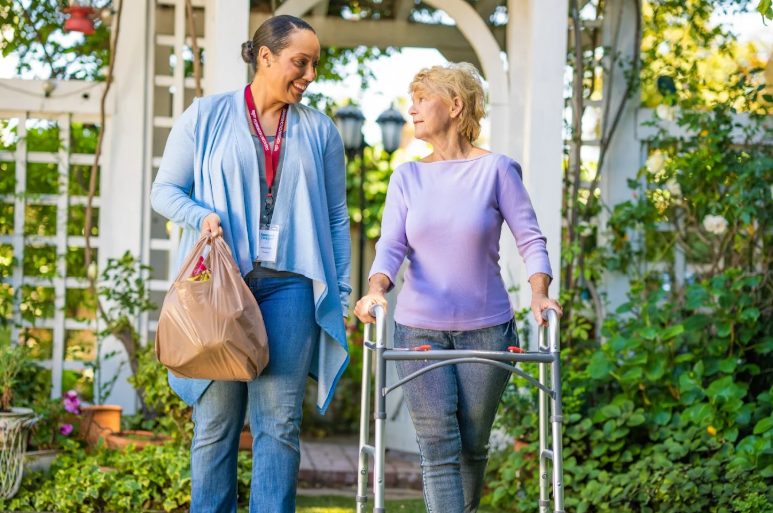
You should pay closer attention when chores are being skipped because they feel physically difficult or unsafe. That is especially true if you notice recent balance issues, a prior fall, reduced strength, or increasing hesitation around tasks like carrying laundry, cleaning the bathroom, or moving around cluttered rooms. The CDC notes that falls threaten independence, and NIA recommends home changes and supports when falling is a concern.
For many clients and families, the right time to ask for help is before the home feels unmanageable. A little support with the daily basics can protect a lot of independence.
Conclusion
Light housekeeping helps seniors stay safe at home because safety often depends on the ordinary details of daily life. Clear floors, dry bathrooms, tidy walkways, manageable laundry, and cleaner kitchens all reduce the kind of risk that can lead to falls, strain, and loss of confidence at home. Guidance from NIA, CDC, Health in Aging, and Mayo Clinic Health System points in the same direction. A safer home is usually one where small hazards are handled before they become bigger problems.
If you or someone you love is finding everyday chores harder to manage, do not wait until the house starts feeling unsafe. Ask a better question. Which tasks are quietly making home more difficult than it needs to be? That is often where the right support begins.
Light Housekeeping Support That Helps Make Home Safer And Easier To Manage
→ Keep daily spaces cleaner, clearer, and more comfortable
→ Get reliable help with chores that are becoming harder to handle
→ Support safety and independence with care that fits your routine
Get steady in-home support with Homewatch CareGivers of Windsor.