
What kind of help makes the biggest difference when a health condition is part of everyday life and not just an occasional concern?
That is the question many families ask when they realize the hard part is no longer one doctor visit or one rough week. It is the daily rhythm. It is getting out of bed safely, keeping meals regular, remembering medications, making it to appointments, and getting through a long afternoon when energy is low and symptoms are wearing someone down.
Many people hear care for chronic conditions and picture only medical tasks. In real life, home care is often about everything that happens between medical visits. It is the support that helps a person stay safer, more comfortable, and more steady in the place they know best.
Table Of Contents
- Why Families Start Asking This Question
- What Daily Help Usually Includes
- What Home Care Does Not Replace
- How Support Changes With Different Conditions
- What A Strong Care Plan Should Feel Like At Home
- Conclusion
- FAQs
When we talk with families, we often find that they are not only trying to understand what services are offered. They are trying to picture what daily life could look like with the right support in place. You may be asking whether home care means hands-on help, companionship, supervision, or help keeping routines from slipping. Usually, it means some mix of all of those, shaped around the person and the condition.

Why Families Start Asking This Question
A chronic condition does not only affect one part of the day. It can shape the pace of the whole household. A person may move more slowly in the morning, tire easily in the afternoon, or become anxious when routines change. Meals may need more planning. Personal care may take more time. Getting to appointments may require more coordination than it used to.
This is often why families start looking for help. The issue is not always a major crisis. Sometimes it is the steady buildup of smaller tasks that become harder to manage alone.
The Real Strain Often Comes From Repetition
A single difficult day is one thing. A difficult pattern is another. When the same needs show up every morning, every evening, and every week, the pressure can spread across the whole family. You may be juggling work, your own health, and the ongoing needs of someone you love, all while trying to stay calm and organized.
That is why home care can matter so much. The goal is not to take over someone’s life. The goal is to support daily living in a way that feels reliable and respectful.
What Daily Help Usually Includes
For many people, the biggest challenge is getting through basic routines safely. Current Homewatch Elmhurst service pages describe chronic-condition support as help with bathing, meal preparation, medication reminders, transportation, and light household chores, along with attention to both physical and emotional needs.
In daily life, that can mean help getting in and out of bed, support with bathing and grooming, assistance dressing, and a steady hand while moving around the house. You should not underestimate how much these moments matter. They affect comfort, confidence, dignity, and fall risk all at once.
Meals, Hydration, And Medication Routines
Chronic conditions often make ordinary routines less simple. A person may need reminders to eat, encouragement to drink enough water, or meals that fit specific dietary guidance. Medication timing can also become more important when several prescriptions are involved.
Home care can help keep those routines from becoming inconsistent. That usually means reminders, meal planning, grocery help, meal preparation, and support during mealtimes if energy or appetite is low. Comparable home care pages also commonly frame chronic-condition support around diet support, medication reminders, and help following day-to-day health routines.
Household Support And Getting Out Of The House
What happens when the laundry starts piling up, the kitchen feels harder to manage, or getting to an appointment becomes a project in itself?
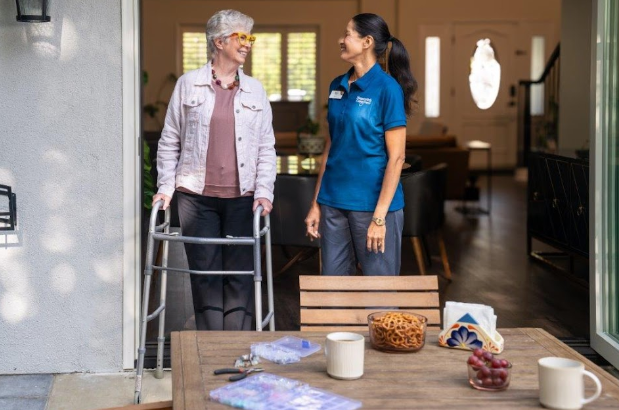
This is another area where home care often helps. Light housekeeping, transportation, errands, and appointment support can take pressure off both the client and the family. These tasks may sound small on paper, but they are often what keep daily life from feeling overwhelming. Homewatch and other current home care pages consistently include transportation, housekeeping, errands, and appointment support among common non-medical services.
What Home Care Does Not Replace
One of the most helpful things you can understand early is where home care fits and where it does not. Home care is often non-medical support. It helps with daily living, routines, safety, and comfort. It is different from home health or skilled nursing, which involves licensed medical services.
That distinction matters because it helps you ask better questions. You should ask whether a service includes reminders or hands-on medical tasks. You should ask how changes in condition are communicated. And you should make sure the support plan matches what your loved one truly needs. Homewatch’s general home care pages describe home care as non-medical support, while separate Homewatch materials note that medication reminders are included but medication administration and medical procedures are not.
Good Support Still Works Alongside Medical Providers
Non-medical does not mean unimportant. In many homes, it is the part that makes the medical plan easier to follow. If meals are more consistent, appointments are easier to reach, and routines are less chaotic, it becomes easier for a person to stay on track with the care their clinicians recommend.
That is why communication matters. A good home care plan should support the bigger picture, not operate separately from it.
How Support Changes With Different Conditions
Families sometimes expect chronic condition care to be highly disease-specific in every visible detail. Sometimes it is, but often the day-to-day help looks familiar across different situations. A person with arthritis, heart issues, breathing challenges, or diabetes may still need help with meals, pacing, mobility, bathing, reminders, and transportation.
What changes is the emphasis. One person may need a slower pace and more mobility support. Another may need closer attention to meal routines. Someone else may need more help conserving energy across the day.
Emotional Support Is Part Of The Picture Too
Living with a long-term condition can feel frustrating, isolating, or exhausting. That emotional weight can affect mood, appetite, motivation, and willingness to stick with routines. This is one reason companionship is not an extra. It is part of meaningful support.
At Homewatch CareGivers of Elmhurst, we understand that a good plan should not only check off tasks. It should help the person feel seen, respected, and less alone while daily life continues around them.
What A Strong Care Plan Should Feel Like At Home
Good home care should feel like it belongs in the home. It should reflect the person’s schedule, food preferences, comfort level, mobility needs, and energy patterns. You should not have to choose between support and dignity. The right plan makes room for both.
This is also where professional caregivers can make a real difference. Consistency, calm communication, and attention to detail help support feel steady instead of disruptive.

It Should Make Life Easier For Families Too
The best plans do not only support the person receiving care. They also reduce strain on everyone around them. You may still be deeply involved, but you should not have to carry every reminder, every ride, every meal, and every safety concern alone.
If you are unsure whether more support would help, pay attention to how the current routine feels. Is it sustainable, or are you constantly patching things together?
Here are a few signs that more help may be worth considering
- Meals, hygiene, or medications are becoming inconsistent
- Getting to appointments feels harder than it should
- Mobility and transfers no longer feel safe without help
- Family members are stretched thin or losing sleep
- Small changes in symptoms quickly turn into larger problems
Conclusion
What chronic condition care at home actually includes is often more practical and more personal than families expect. It can mean help with bathing, dressing, meals, reminders, movement, transportation, household tasks, companionship, and the small routines that hold the day together.
If you are trying to decide what kind of support would help, start with the parts of the day that keep slipping. Look at where the stress is building. Notice which tasks are becoming harder to manage consistently and safely. That will usually tell you more than a broad service label ever could.
You should not wait until daily life feels unmanageable before asking what support could make home life steadier. The right help can protect comfort, reduce family strain, and make it easier to keep living at home with more confidence.
Personalized In Home Support That Helps Daily Life Feel More Manageable
→ Get dependable help with routines, comfort, and day to day needs
→ Support meals, mobility, reminders, and safer living at home
→ Ease family stress with consistent care that fits your loved one’s condition
Contact Homewatch CareGivers of Elmhurst to discuss chronic condition care at home in Elmhurst →
★★★★★ Rated 5/5 on Google from 6 recent client reviews
Homecare Tips: