
What does it mean when you cannot fully relax because you are always wondering if your loved one is safe right now?
For many families, the concern does not stay limited to daytime anymore. It starts creeping into the night. You may find yourself checking your phone, replaying conversations, or thinking about what could happen if no one is there to help.
Table Of Contents:
- What 24 Hour Care Really Looks Like In Everyday Life
- The Signs That Daytime Help Is No Longer Enough
- When Family Caregiving Reaches Its Limit
- Health Conditions That Often Require Around The Clock Care
- The Emotional Side Of Deciding To Add More Care
- How To Know If It Is Time To Take The Next Step
- What Life Can Look Like With The Right Support In Place
- Conclusion
- FAQs
This is often the moment when we begin to consider a higher level of support. Not because something has already gone wrong, but because the risk feels too close to ignore.
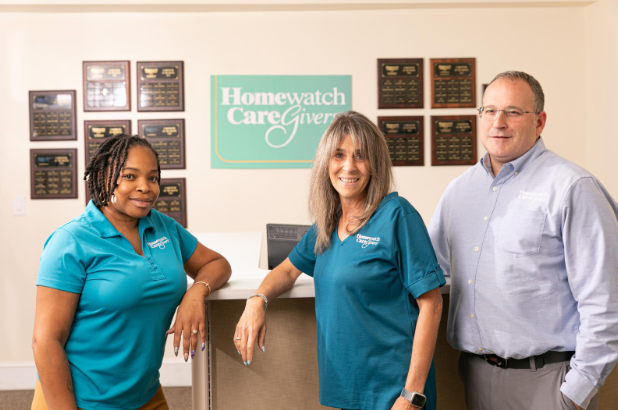
What 24 Hour Care Really Looks Like In Everyday Life
Before deciding when to move forward, it helps to understand what 24 Hour Care actually means in a home setting.
This type of support ensures that someone is always available, day and night. Care is typically provided in rotating shifts so your loved one has consistent attention without gaps.
It is not just about supervision. It includes help with daily routines, mobility, hygiene, meals, medication reminders, and emotional support. The goal is to create a steady, predictable environment where your loved one is never alone during moments of need.
When done right, it blends into daily life rather than feeling clinical or disruptive.
The Signs That Daytime Help Is No Longer Enough
How do you know when part time support is no longer cutting it?
Sometimes the answer shows up in patterns rather than one big event. You may notice that challenges are no longer limited to certain hours of the day.
Nighttime Confusion Or Restlessness
If your loved one wakes up disoriented, wanders, or attempts to move around unsafely at night, it creates a serious concern. Nighttime is when many falls and accidents happen.
Increased Risk Of Falls Or Emergencies
Frequent near falls, unsteady walking, or difficulty getting in and out of bed are signs that immediate help may be needed at any hour.
Difficulty Managing Toileting Or Hygiene Overnight
Needing assistance during the night is more common than many families expect. Without support, it can lead to discomfort or unsafe situations.
Ongoing Medical Or Mobility Needs
Conditions that require consistent monitoring or assistance do not pause overnight. Gaps in care can quickly become risky.
When these patterns appear, it often signals that round the clock support is worth considering.
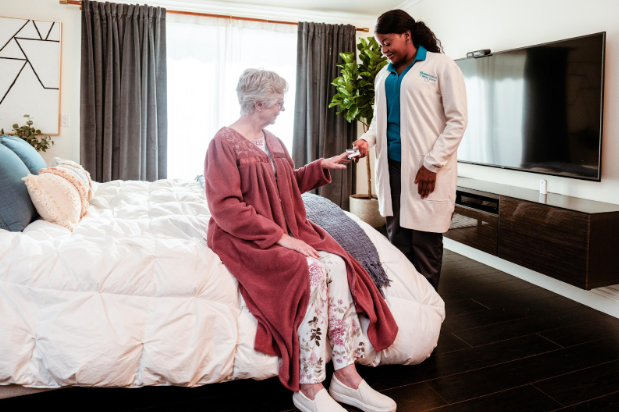
When Family Caregiving Reaches Its Limit
How long can one person realistically stay alert and available at all hours?
Family caregiving often starts with the best intentions. You want to be there. You want to help. But no one can stay awake, attentive, and emotionally steady every hour of the day.
Sleep deprivation alone can take a toll. Add in work, family responsibilities, and stress, and it becomes unsustainable.
This is where professional caregivers can step in to provide reliable, consistent support. It allows you to rest, recharge, and focus on being present rather than constantly managing every situation.
Letting go of full time responsibility does not mean stepping back from your loved one. It means protecting your ability to show up in a healthier way.
Health Conditions That Often Require Around The Clock Care
Are certain conditions more likely to need continuous support?
Yes, and recognizing them early can help you plan ahead instead of reacting to emergencies.
Memory Related Conditions
Individuals experiencing memory loss may wander, become confused, or forget where they are, especially at night. Having someone present at all times helps reduce risk and anxiety.
Chronic Illness With Fluctuating Needs
Conditions that involve pain, fatigue, or sudden changes can require unpredictable assistance throughout the day and night.
Recovery After Surgery Or Hospitalization
Some recovery periods require close monitoring and support to prevent setbacks or complications.
Advanced Mobility Challenges
When moving safely becomes difficult, even getting out of bed or using the restroom can require assistance at any hour.
Understanding how these conditions affect daily life helps you decide whether continuous care is the right step.
The Emotional Side Of Deciding To Add More Care
Why does this decision feel so heavy, even when you know it might be necessary?
Because it is not just practical. It is deeply personal.
You may worry about how your loved one will react. You may feel guilt for not being able to do everything yourself. You may even question whether you are making the decision too soon.
These feelings are normal.

We often encourage families to shift the perspective. Instead of asking if you are giving up control, ask if you are creating a safer and more supportive environment.
When care is introduced thoughtfully, it can reduce stress for everyone involved and bring a sense of calm back into the home.
How To Know If It Is Time To Take The Next Step
So how do you move from uncertainty to a clear decision?
It often comes down to patterns, safety, and your own capacity.
If you find yourself constantly worried about what might happen when no one is around, that is important. If your loved one is showing signs of needing help at unpredictable times, that matters. If you are exhausted and stretched thin, that cannot be ignored.
Here is a simple way to assess your situation:
- Are there safety concerns during both day and night
- Is your loved one unable to manage basic tasks without help
- Are you or other family members feeling overwhelmed or sleep deprived
- Do needs change unpredictably throughout the day
- Is there a risk of wandering, falls, or missed care
If several of these apply, it may be time to seriously consider continuous support.
Families in the area often explore options through Homewatch CareGivers of Louisville when they want to understand how this level of care can fit into daily life without disrupting comfort and familiarity.
What Life Can Look Like With The Right Support In Place
What actually changes when the right level of care is in place?
The biggest shift is peace of mind.
Your loved one has consistent help, no matter the time of day. Routines become smoother. Risks are reduced. There is someone there to respond immediately if something feels off.
For you, it means stepping out of constant alert mode. You can sleep through the night, focus on your responsibilities, and spend quality time with your loved one without the weight of doing everything yourself.
Care becomes part of the rhythm of the home rather than a constant concern.
Conclusion
Knowing when to consider around the clock care is not about waiting for a crisis. It is about recognizing when needs extend beyond what part time support or family caregiving can safely provide.
We can help you look at the full picture. Safety, routine, emotional well being, and your own capacity all matter. When those pieces start to feel out of balance, it may be time to take the next step.

Choosing continuous care is not about losing independence. It is about protecting it in a way that allows your loved one to stay safe, comfortable, and supported every hour of the day.
Round The Clock Support That Keeps Your Loved One Safe At Home
→ Reliable help day and night for mobility, toileting, and routines
→ Consistent caregivers who follow a personalized plan with respect
→ Regular updates so your family stays informed and supported
Give your loved one the care they deserve right at home with Homewatch CareGivers of Louisville.
★★★★★ Rated 5/5 by 25+ families in Louisville for reliable, high quality in home caregiving services.
Homecare Tips:
Top 10 Questions to Ask a Home Care Provider: How to Choose a Safe, Trustworthy Caregiver