
What changes when a senior leaves the hospital, but the hardest part of recovery is waiting quietly at home?
Discharge can feel like a finish line, yet it often begins a fragile stretch. The hospital routine is structured. Meals arrive, movement is supervised, instructions are repeated, and help is close. At home, the same person may face stairs, medication changes, bathing concerns, appointments, fatigue, and family members trying to understand new directions while life keeps moving.
Table Of Contents
- Why The First Days Home Need Careful Planning
- What Support Looks Like During Home Recovery
- How Families Can Prepare The Home
- When Extra Help Makes Recovery Safer
- Conclusion
- FAQs
We believe safe recovery depends on practical support, not pressure. A loved one may be relieved to sleep in a familiar bed, but familiarity does not remove risk. The first day's home can decide whether recovery feels steady or confusing.
For families in Southwest Broward, post hospitalization care can help bridge that gap with calm, respectful support. It gives seniors help with daily routines while families gain clearer eyes on what is happening between follow up visits.
Why The First Days Home Need Careful Planning
A hospital discharge plan may list instructions, but it may not show how those instructions feel in a real kitchen, bedroom, or bathroom. That is where families often discover the difference between being medically cleared and being fully ready for normal routines. The gap can be temporary, but it still deserves attention in the first week.
Home Feels Different After Discharge
A hallway that once felt simple may feel long after surgery, illness, or a hospital stay. A shower may feel risky. A refrigerator shelf may seem too low. Even getting up from a chair can take more effort than expected.
You should not assume your loved one will return to every old routine right away. Weakness, pain, new medications, or confusion can make ordinary tasks harder. A good recovery plan gives the body time to regain strength without forcing unsafe independence too soon.
Small Mistakes Can Create Setbacks
Why does one small missed step matter so much after a hospital stay? Because recovery is already asking the body to work harder.
Missed meals, skipped fluids, forgotten instructions, or one rushed walk to the bathroom can cause problems. These moments may look minor, but they can interrupt recovery and create extra worry.
We encourage families to focus on patterns. Is your loved one eating enough? Are they moving safely? Are follow up visits scheduled? Are medications organized? When the answers are unclear, extra home support can make the day easier to manage.
What Support Looks Like During Home Recovery
Support at home should be steady enough to reduce risk and gentle enough to preserve choice. The goal is not to turn the house into a clinic. The goal is to make familiar routines safer while the senior regains strength.
Personal Care With Dignity
Bathing, dressing, grooming, and toileting can become difficult after discharge. Many seniors feel embarrassed needing help, especially from adult children. Respectful assistance can protect dignity while reducing risk.
You should let your loved one do what they safely can, but you should not push them past comfort or balance. Support should feel calm, private, and patient.
Meals, Fluids, And Medication Reminders
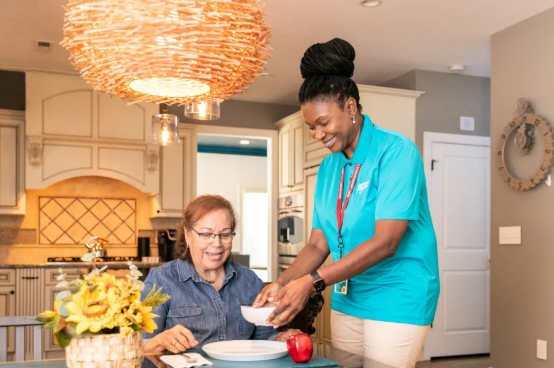
Recovery takes energy. A senior may not feel hungry, may avoid drinking because walking to the bathroom is difficult, or may forget new medication times. These small gaps can affect how the day unfolds.
A home care plan can help with meal preparation, hydration reminders, and medication prompts. Care support does not replace medical direction, but it can help the instructions become part of the daily rhythm.
Mobility And Transportation
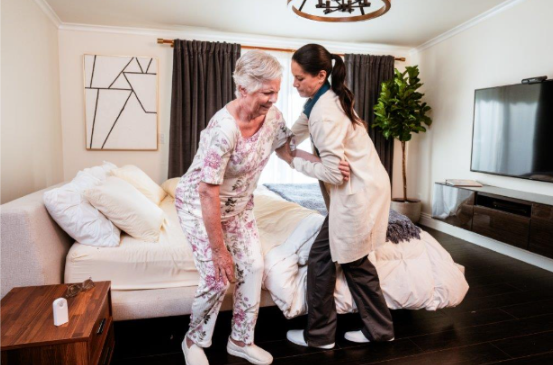
Movement is often where confidence is tested. A senior may feel sure they can cross the room, then become tired halfway there. Someone nearby can help slow the pace, encourage safer choices, and prevent rushed decisions.
Getting around safely is often one of the biggest challenges after a hospital stay. Seniors may need help standing, walking, using mobility aids, or getting in and out of a car.
Transportation support can also help follow up care stay on track. You should keep discharge papers, medication lists, insurance cards, and questions in one place before appointments so the visit feels less stressful.
How Families Can Prepare The Home
Before the first night back, look at the home through recovery eyes. The goal is not perfection. The goal is reducing obvious risks before they become problems.
- Clear walkways from the bedroom to the bathroom and kitchen
- Move loose rugs, cords, and clutter away from common paths
- Place water, phone, glasses, and medications within easy reach
- Add good lighting in hallways, bathrooms, and entry areas
- Choose stable chairs that are easier to sit in and stand from
This kind of preparation helps your loved one move with more confidence. It also gives family members fewer surprises during the first few days.
Communication Keeps Everyone Aligned
What happens when three relatives care deeply, but each one has a different version of the plan? Even loving families can become overwhelmed when details are not written down.
Families often assume everyone understands the plan, then confusion appears. One person thinks a medication was taken. Another thinks transportation is handled. Someone else assumes meals are covered.
Write down the daily routine. Include appointment dates, meal needs, mobility concerns, medication reminders, and emergency contacts. Shared notes can reduce tension and help everyone respond from the same information.
This is also where professional caregivers can be valuable. A steady care team can notice changes, support routines, and help families understand what is happening during the hours they are not there.
When Extra Help Makes Recovery Safer
Recovery should not be measured only by the absence of an emergency. Small changes can reveal whether the home routine is helping or becoming too difficult.
A senior may not always report symptoms clearly. Some do not want to worry the family. Others may be tired, confused, or unsure whether a change matters.
You should watch for increasing weakness, poor appetite, dizziness, confusion, pain, swelling, shortness of breath, missed medications, or fear of walking. Sudden or serious symptoms should be reported to the appropriate medical contact right away.
Home support can help families notice whether the recovery is moving forward or becoming harder.
The Plan Should Adjust As Strength Returns
Care needs rarely stay the same from the first day home to the second week. Your loved one may need more help at first, then less as confidence returns. Sometimes the opposite happens, and the family realizes recovery requires more support than expected.
The best plan should adjust without making anyone feel like they failed. If bathing becomes easier, support can shift toward transportation or meals. If walking remains difficult, mobility help may stay longer.
Family Members Need Support Too
Family members often step in with love, but the work can become heavy. You may be managing your job, children, errands, household needs, and your loved one’s recovery all at once.
Asking for help does not mean you are stepping back from care. It means you are building a safer rhythm. Homewatch CareGivers Of Southwest Broward can help families think through daily support that respects the person recovering and the relatives trying to keep everything steady.
Conclusion
Post-hospital recovery works best when home is prepared, routines are clear, and support matches the person’s real needs. The first days after discharge can bring relief, but they can also bring fatigue, confusion, and risk.
You should take discharge seriously, even when your loved one seems eager to return to normal. Review instructions, prepare the home, organize medications, support meals, plan transportation, and watch for changes that deserve attention.
Safe recovery is not about doing everything for someone. It is about helping them heal with comfort, dignity, and fewer avoidable risks. When families have practical support at home, they can focus less on guessing and more on helping their loved one move forward one steady day at a time.
Post-Hospital Home Care Support That Helps Recovery Feel Safer
→ Get help with meals, mobility, reminders, and personal routines after discharge
→ Support safer healing in the comfort of familiar surroundings
→ Give family caregivers steady relief while recovery stays on track
★★★★★ Trusted with a 4.9 rating from 162+ reviews for compassionate home care in Southwest Broward
Home care tips: