
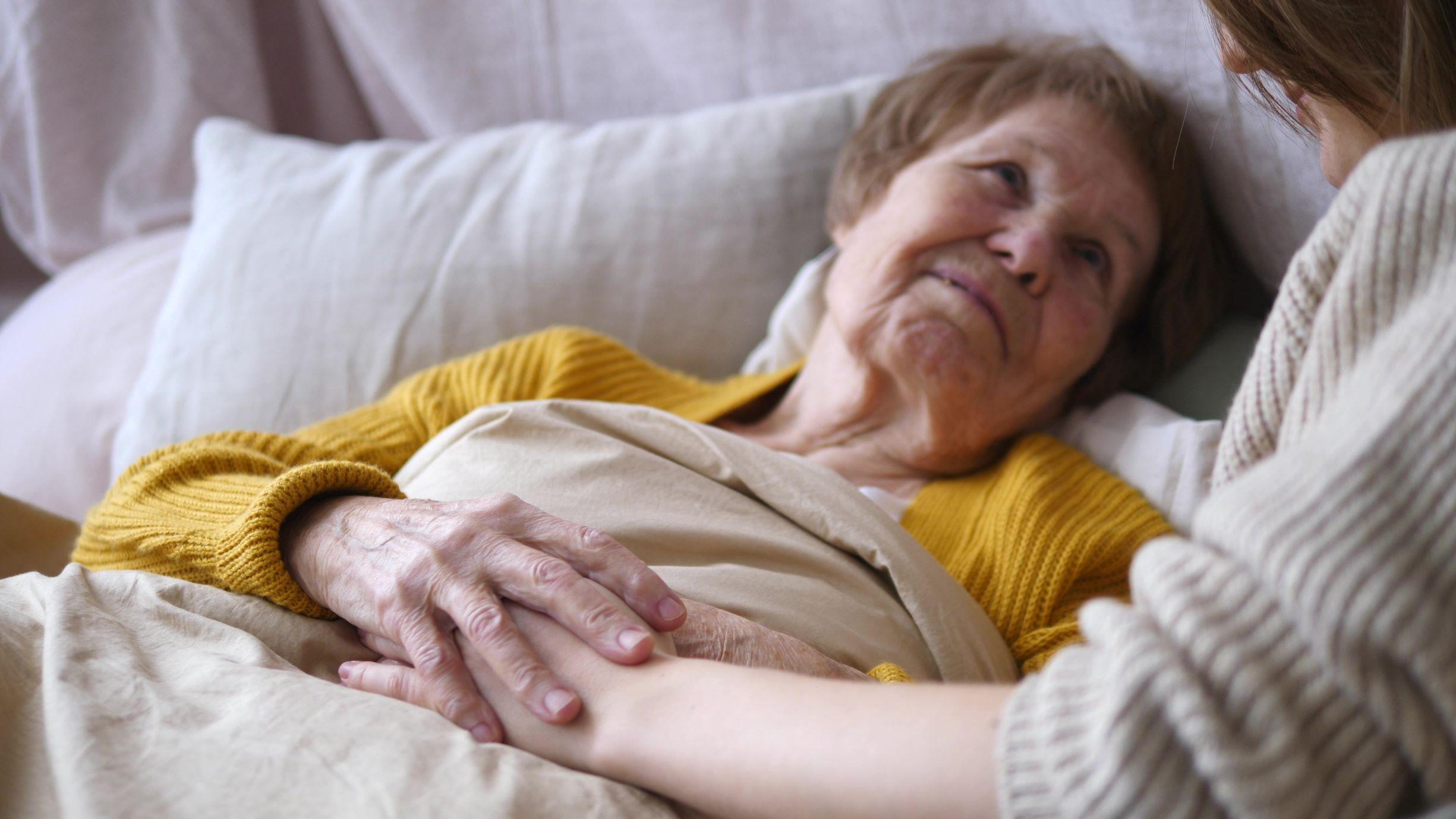
Hospital discharge happens quickly. A senior who spent several days recovering from surgery, a fall, a cardiac event, or a serious infection is sent home with a stack of discharge papers, a new medication regimen, and follow-up appointments scheduled weeks away. For many families in Tacoma, that gap between leaving the hospital and truly being stable at home is where things go wrong. According to the Centers for Medicare and Medicaid Services, nearly one in five Medicare patients is readmitted to the hospital within 30 days of discharge. Most of those readmissions are preventable.
Why the First 30 Days After Discharge Are So Critical
The 30 days following a hospital stay are often called the transitional care window, and for good reason. The body is still recovering, new medications need to be taken correctly, activity levels need to be carefully managed, and warning signs need to be caught early. Without consistent support at home during this period, small problems can escalate rapidly.
The most common reasons seniors are readmitted within 30 days include:
- Medication errors, missed doses, or adverse reactions to new prescriptions
- Falls or injuries at home due to reduced mobility or strength during recovery
- Inadequate nutrition or hydration affecting the healing process
- Wound care that is not performed correctly or consistently
- Failure to recognize early warning signs of complications
- Missed follow-up appointments with the treating physician
A professional in-home caregiver addresses each of these risk factors as part of a structured daily routine, filling the gap that hospital staff and outpatient appointments cannot cover.
What Post-Hospitalization Home Care Looks Like in Practice
At Homewatch CareGivers of Tacoma, post-hospitalization care is designed around the specific needs of your loved one's recovery. A care plan is put together based on the discharge instructions, the treating physician's recommendations, and the family's situation. In practice, this typically includes:
Medication reminders and management
Post-discharge medication regimens are often more complex than what the person was taking before. A caregiver ensures medications are taken on schedule, tracks any reactions, and communicates concerns to family members or the care team.
Mobility assistance and fall prevention
Reduced strength and coordination after a hospital stay significantly increase fall risk. Caregivers assist with safe movement around the home, help with exercises prescribed during recovery, and identify hazards in the home environment that could lead to an injury.
Nutrition and hydration support
Recovery depends heavily on proper nutrition. Caregivers prepare meals that align with any dietary guidelines from the hospital, encourage adequate fluid intake, and monitor for signs of poor appetite that could indicate a complication.
Transportation to follow-up appointments
Follow-up visits are critical in the weeks after discharge, yet they are frequently missed when transportation is an issue. Caregivers provide reliable rides and accompany the senior to appointments, helping to ensure the physician has an accurate picture of how recovery is progressing.
When to Start Arranging Post-Hospital Care
The best time to arrange post-hospitalization care is before discharge, not after. Many families wait until their loved one is already home and struggling before calling for help. By then, a medication has already been missed, a fall has already happened, or the family caregiver is already exhausted.
If you know a loved one is in the hospital or has a planned surgery coming up, contacting Homewatch CareGivers of Tacoma in advance allows us to have a care plan ready the day they come home. For families managing a loved one with an existing condition, pairing recovery care with ongoing chronic condition management support creates a more complete safety net.
What Tacoma Families Should Keep in Mind
- Nearly one in five Medicare patients is readmitted to the hospital within 30 days of discharge, and most of those readmissions are preventable.
- The most common causes of readmission, including medication errors, falls, and missed appointments, can all be addressed with consistent in-home support.
- Post-hospitalization care is most effective when arranged before discharge, not after problems arise.
- Homewatch CareGivers of Tacoma provides hospital to home care for seniors across Tacoma, Gig Harbor, Puyallup, and the surrounding Pierce County area.
- A free consultation can be arranged quickly, and care can often begin on the day of discharge.
The day a loved one comes home from the hospital should feel like a relief, not the start of a new crisis. With the right care in place from day one, it can be. Contact Homewatch CareGivers of Tacoma today to schedule a free consultation and find out how our post-hospitalization care services can support your loved one's recovery.