Care needs can change quickly.
A hospital discharge may happen sooner than expected. A family caregiver may need to travel. A parent living alone may suddenly need more support than a few scheduled visits can provide.
During these transitions, having a caregiver reside in the home can bring stability to the entire family.
Homewatch CareGivers of Chantilly offers live-in home care for people who benefit from regular assistance and a consistent caregiver presence. Care can be arranged temporarily during recovery or as an ongoing solution for changing health and personal care needs.
Call (703) 202-6819 to discuss a personalized live-in care plan.
Support That Fits Into Daily Life
Live-in care is designed around the person, not just the schedule.
The caregiver stays in the client’s home and becomes familiar with the normal daily routine. Rather than completing a short list of tasks and leaving, the caregiver can provide support throughout the day as needs arise.
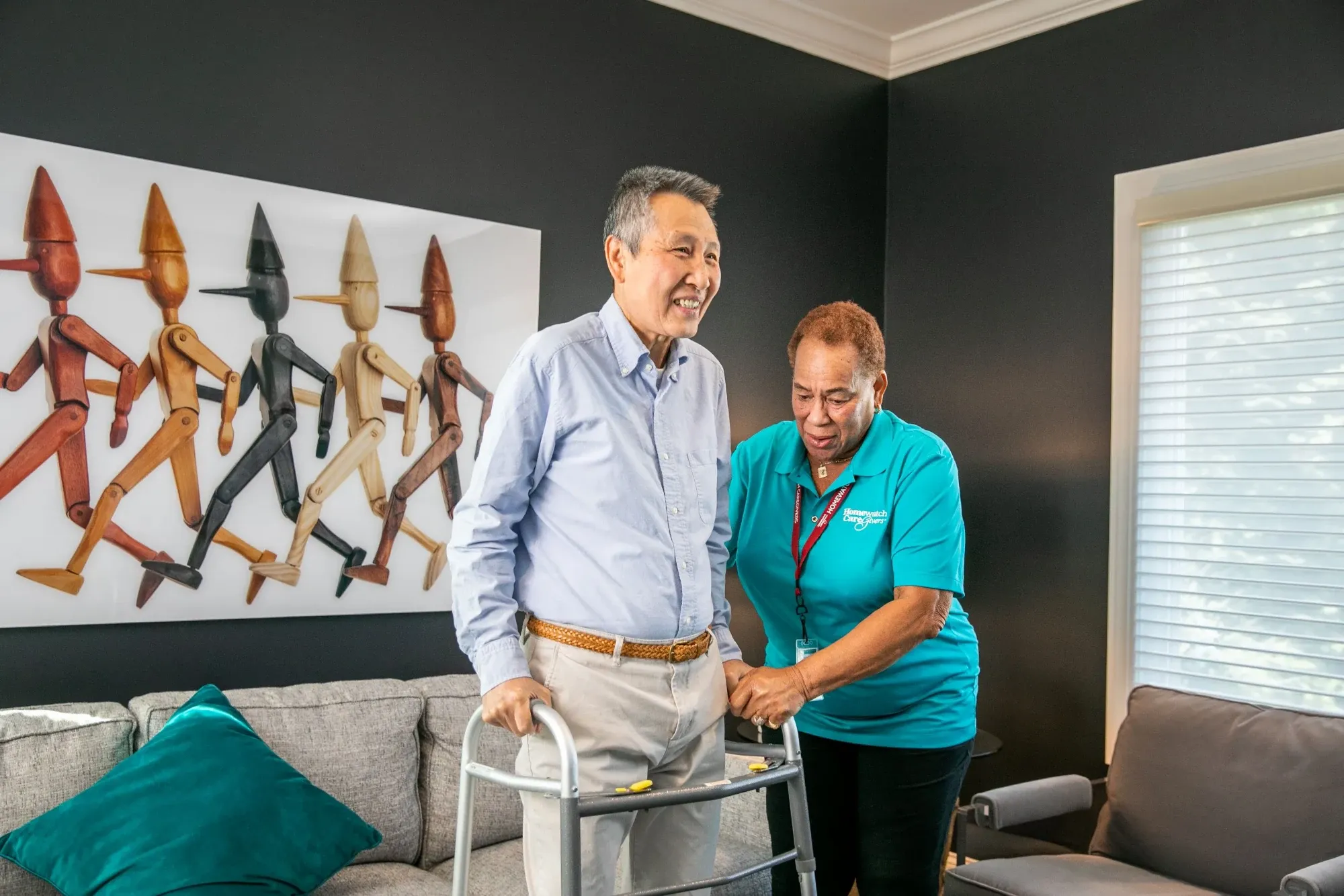
This may include help getting ready in the morning, preparing meals, moving safely around the home, attending appointments, completing household tasks, and settling into an evening routine.
Families needing help with bathing, grooming, dressing, toileting, or mobility can also learn about personal care services in Chantilly.
The goal is not to take control away from the client. It is to provide the right amount of assistance while protecting dignity, comfort, independence, and personal choice.
When Short-Term Live-In Care Can Help
Many families assume live-in care must be a long-term arrangement. It can also be used for several days or weeks during a temporary period of increased need.
After a Hospital or Rehabilitation Stay
Returning home can feel reassuring, but the first few days may bring unexpected challenges.
The client may feel weaker than expected. Walking, bathing, dressing, preparing food, and following discharge instructions may be difficult without assistance.
A short-term live-in caregiver can help the client settle back into the home. Support may include mobility assistance, personal care, meals, medication reminders, transportation to follow-up appointments, and observation for unexpected changes.
During Recovery From a Procedure
Even an outpatient procedure can affect balance, strength, concentration, and the ability to complete household tasks.
A live-in caregiver can assist with safe bathroom use, dressing, meal preparation, mobility, medication routines, and established wound-care instructions or reminders.
This arrangement can continue until the client becomes stronger and more independent.
While a Family Caregiver Is Traveling
A spouse, adult child, or other family caregiver may occasionally need to leave town.
Short-term live-in care allows the client to remain at home while the family caregiver travels. The professional caregiver can maintain familiar meals, personal care routines, activities, medication reminders, and household tasks.
This can be less disruptive than temporarily moving the client into another home or facility.
Families may also explore respite care in Chantilly for short-term, periodic, or ongoing caregiver relief.
During an Unexpected Change
Families may need immediate support following a fall, illness, sudden decline, or change in a chronic condition.
Live-in care can create a stable plan while the family evaluates longer-term options.
What Does Live-In Care Include?
Services are personalized to the client’s condition, abilities, routines, and preferences.
A live-in caregiver may assist with:
- Bathing, grooming, dressing, and toileting
- Walking, positioning, and transfers
- Meal preparation and hydration
- Light housekeeping and laundry
- Grocery shopping and errands
- Transportation to appointments
- Companionship and meaningful activities
- Dementia and memory care routines
- Support following hospital or rehabilitation instructions
- Assistance with approved recovery and wound-care routines
- Observation and communication of changes
- Coordination with family members and care professionals
The caregiver may observe changes involving appetite, mobility, behavior, sleep, confusion, or overall condition and report concerns according to the established care plan.
The exact responsibilities are documented in the client’s personalized care plan.
A More Consistent Care Experience
Coordinating many short caregiver shifts can sometimes feel hectic, especially during recovery or when a client becomes easily confused.
Live-in care may reduce the number of daily transitions. The caregiver has time to learn how the client prefers meals prepared, which activities they enjoy, when they normally rest, and what helps them feel secure.
This familiarity can be especially valuable for someone receiving dementia care in Chantilly, particularly when changes in routine create confusion or anxiety.
One or two caregivers may alternate over longer periods. This creates a more stable routine than having several caregivers come and go throughout the week.
A consistent caregiver may also notice smaller changes that are easy to miss during brief visits. These may include reduced appetite, increased confusion, changes in balance, unusual fatigue, or difficulty completing a familiar activity.
When concerns arise, the caregiver can communicate with the family and follow the established care plan.
Understanding the Overnight Arrangement
A live-in caregiver resides in the client’s home, but live-in care is not continuous awake supervision.
The caregiver is typically available to provide care for up to 16 hours during the day. The caregiver receives eight hours of private time, including at least six uninterrupted hours for sleep.
The caregiver remains in the home during the sleeping period but may not be in the same room as the client.
The client should be able to sleep for most of the night without frequent assistance. The client must also be independent enough to allow the caregiver to eat, sleep, and attend to normal personal needs.
An occasional interruption can happen. However, repeated overnight needs may indicate that the client requires caregivers working in shifts instead of a live-in arrangement.
Live-In Care Versus Awake 24-Hour Care
These two services provide different levels of overnight support.
Live-In Care
One caregiver resides in the home and receives designated sleep and personal time. This can work well when the client benefits from someone being present but does not need regular overnight assistance.
Awake 24-Hour Care
With 24-hour care in Chantilly, caregivers work in scheduled shifts so someone remains awake, alert, and available at all times.
Shifts may be approximately 12 hours. The outgoing caregiver remains until the incoming caregiver arrives, even when weather, traffic, or another unexpected issue causes a delay.
A brief handoff takes place before the outgoing caregiver leaves. The client or family does not need to manage the transition or open the door for each shift change.
This option may be more appropriate when a client:
- Frequently needs toileting or transfer assistance
- Requires regular repositioning
- Has a high risk of falling when getting out of bed
- Cannot respond appropriately during an emergency
- Needs ongoing awake observation
Hourly Home Care
Hourly care provides scheduled support during specific periods. It does not have to cover the full day or night.
When no family member is present between visits, the client must be able to remain alone safely and respond during an emergency.
Our Chantilly team can help families compare these options during a care consultation.
Creating a Comfortable Live-In Arrangement
The family must provide the caregiver with a private space and a comfortable bed. The caregiver also requires access to meals and normal household facilities. In many homes, the caregiver prepares food that is shared with the client. The family is responsible for appropriate lodging and boarding arrangements for the caregiver.
Before care begins, we discuss the home environment, meals, sleep schedule, household expectations, pets, transportation, and caregiver responsibilities.
Clear expectations help create a positive arrangement for everyone.
Is Live-In Care Right for Your Family?
It may be time to explore live-in care when:
- Your loved one should not remain alone for long periods
- A few hours of assistance no longer covers daily needs
- Family members are struggling to maintain the current schedule
- The client needs help throughout different parts of the day
- Frequent caregiver changes increase anxiety or confusion
- The client is returning home after a hospital or rehabilitation stay
- A temporary family caregiving gap needs to be covered
- The client needs companionship along with practical assistance
Families facing increasing caregiving demands can also review our family caregiver support services.
Live-in care is not automatically the right answer for every family. A careful assessment helps determine whether the arrangement can safely meet the client’s daytime and overnight needs.
Benefits for Clients and Families
Remaining at Home
Clients stay in familiar surroundings rather than moving during a vulnerable period.
Remaining at home can reduce the confusion and anxiety that sometimes accompany relocation to a facility.
Personalized Support
Care is tailored to the client’s needs, health conditions, abilities, routines, and personal preferences.
Familiar Routines
Meals, activities, sleep schedules, hobbies, and personal choices can remain more consistent.
Meaningful Companionship
The caregiver can provide conversation, encouragement, shared activities, and social connection throughout the day.
Companionship may reduce loneliness and isolation while helping the client stay engaged.
Greater Independence
Clients continue making choices about how they spend the day, what they eat, what they wear, and who visits.
Fewer Daily Transitions
A live-in arrangement may involve fewer caregiver changes than continuous rotating shifts.
More Time With Family
Having a caregiver handle routine support may allow relatives to spend more time as spouses, sons, daughters, and grandchildren.
It may also make visits from friends and family easier and more enjoyable.
Potential Cost Advantages
Depending on the client’s schedule and needs, live-in care may be more cost-effective than continuous hourly shift care.
Actual pricing depends on the care plan, schedule, service duration, and level of support required.
Live-In Home Care Across the Chantilly Area
Homewatch CareGivers of Chantilly provides personalized home care in Chantilly, Centreville, South Riding, Aldie, Clifton, Herndon-Oak Hill, Middleburg, and nearby communities.
Care may be short-term, ongoing, or adjusted as the client’s condition and schedule change.
View all areas served by Homewatch CareGivers of Chantilly.
Start With a Personalized Consultation
Choosing care is an important decision. Families need clear information about what a caregiver can provide, how overnight needs are handled, and which arrangement best fits the client.
Our team will learn about the client’s routine, mobility, personal care needs, health conditions, recovery goals, home environment, and overnight schedule.
We can then recommend live-in care, hourly care, awake 24-hour care, or another personalized option.
Call (703) 202-6819 or contact Homewatch CareGivers of Chantilly online to begin the conversation.