
What does it really mean to support a loved one through the final stages of life while still preserving their dignity and comfort? Many families face this challenging question when a loved one needs extra care at home. The truth is, hospice care is not just about medical support; it’s about emotional guidance, relief for family caregivers, and creating a sense of peace during a difficult time. At Homewatch CareGivers of Coral Gables have seen firsthand how thoughtful care can make this journey more manageable for everyone involved.
Table Of Contents
- Understanding Hospice and End-of-Life Care
- Emotional Support for Families
- Practical Assistance at Home
- Providing Comfort and Dignity
- How Families Can Be Actively Involved
- Supporting Families Beyond the Patient
- When to Consider Hospice and End-of-Life Care
- Conclusion
- FAQs
Understanding Hospice and End-of-Life Care
Hospice care focuses on improving the quality of life for individuals with terminal illnesses while supporting their families. This care addresses physical symptoms, emotional well-being, and spiritual needs. Families don’t have to navigate these challenges alone, and knowing that professional support is available can reduce anxiety and stress.
How Families Benefit
Beyond patient care, families gain guidance on managing medications, understanding disease progression, and coping with emotional strain. Having a structured care plan ensures that loved ones are comfortable and that family members know exactly what to expect.
Emotional Support for Families
Providing end-of-life care can be overwhelming. By involving professional caregivers, family members can share responsibilities, focus on spending meaningful time with their loved one, and avoid burnout.
Counseling and Guidance
Many hospice programs include counseling for family members. This helps families process grief and communicate more effectively with their loved ones. Understanding what is happening at each stage reduces fear and confusion.
Maintaining Normalcy
Support allows families to maintain routines and household responsibilities. Meal preparation, daily tasks, and other responsibilities continue smoothly, reducing stress during a difficult period.
Practical Assistance at Home
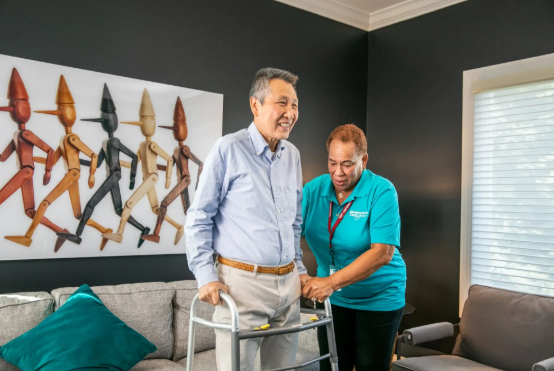
Assistance with bathing, dressing, and mobility ensures the comfort of the loved one while helping prevent accidents. Families can rest easier knowing that their loved one’s needs are being met safely.
Medical Coordination
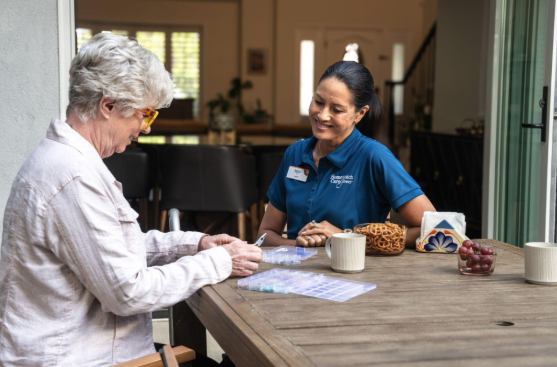
Hospice care often involves managing medications, monitoring symptoms, and coordinating with doctors. This ensures that patients receive appropriate treatment without family members needing to handle complex medical logistics.
End-of-Life Planning
Families receive guidance on creating advance directives, understanding legal requirements, and making decisions that reflect the wishes of their loved one. This planning reduces uncertainty and helps everyone feel prepared.
Providing Comfort and Dignity
Proper symptom management is essential. Hospice caregivers help ensure that pain, nausea, or other discomforts are addressed promptly. This improves the quality of life for the patient and reduces stress for the family.
Creating a Peaceful Environment
Caregivers work to create a comforting and familiar home environment. Simple adjustments, like arranging personal belongings, adjusting lighting, or providing soothing music, can have a profound effect.
Emotional Presence
Sometimes comfort comes simply from being there. Hospice caregivers provide companionship, conversation, and reassurance, allowing families to focus on emotional connection rather than logistics.
How Families Can Be Actively Involved
Family members can help with feeding, reading, or engaging in activities their loved one enjoys. Hospice professionals guide families on safe involvement, balancing care and personal interaction.
Communicating Openly
Sharing feelings, concerns, and wishes with both the patient and caregivers improves understanding and ensures that care aligns with everyone’s needs.
Celebrating Meaningful Moments
Hospice care encourages families to create memories, celebrate milestones, and cherish time together, even during challenging circumstances.
Supporting Families Beyond the Patient
Respite Care
Caregiving is physically and emotionally demanding. Hospice programs often provide respite care, allowing family members to rest and recharge without compromising the loved one’s comfort.
Bereavement Support
Even after the patient passes, hospice programs may offer grief counseling and support groups. This continuation of care helps families process loss and adjust gradually.
Building a Network
Hospice care connects families with resources, support communities, and other families experiencing similar journeys. This network reduces isolation and guides those who understand the process.
When to Consider Hospice and End-of-Life Care
Introducing hospice early in the progression of illness allows families to plan, prepare, and receive guidance before crises occur. Early involvement ensures that care goals are clear and that comfort measures are in place.
Recognizing Needs
Families should consider hospice when symptoms become difficult to manage at home, when the patient’s comfort is a priority, or when emotional support is needed. Care professionals help assess these needs and create a tailored care plan.
Collaborating With Professionals
Working with Homewatch CareGivers of Coral Gables ensures that families have access to trained caregivers who can provide comprehensive, compassionate support. Collaboration reduces confusion and creates a structured, manageable approach to end-of-life care.
Conclusion
Hospice and end-of-life care provide more than medical attention; they offer guidance, emotional support, and practical assistance for families navigating one of life’s most challenging periods. With professional caregivers and structured support, families can focus on spending quality time with their loved ones, maintaining normalcy, and preserving dignity. Working with Homewatch CareGivers of Coral Gables ensures that every family receives compassionate, reliable care tailored to their unique situation, helping ease stress and create meaningful moments during a difficult journey.
Compassionate End-of-Life Support For Comfort, Dignity, And Peace Of Mind
→ Get dependable in-home support that eases daily care responsibilities
→ Work with compassionate caregivers who prioritize comfort and dignity
→ Give your family extra help during an emotional and important time
Connect with Homewatch CareGivers of Coral Gables to explore supportive care at home →
★★★★★ Rated 5/5 by 90+ families in Coral Gables for dependable, high-quality caregiving services.
Homecare Tips:
10 Signs It’s Time to Consider In-Home Elder Care for a Loved One
Why Flexible Care Plans Matter: Customizing Senior Care Around Your Family’s Schedule