
What changes when the hospital doors close behind a senior and recovery continues in the quiet rhythm of home?
That first day back can feel hopeful, but it can also feel uncertain. The discharge papers may be clear, yet the home routine often looks different once medications, mobility limits, follow up visits, meals, bathing, and fatigue enter the picture. Families want to help, but they may not know how much support is enough, or when a small setback should be taken seriously.
Table Of Contents
- Why The First Days Home Matter So Much
- How Home Care Supports Safer Recovery
- Daily Tasks That Make Recovery Easier
- What Families Should Watch After Discharge
- Choosing Support That Fits The Senior
- Conclusion
- FAQs
We see post hospital recovery as a bridge, not a single event. A senior leaves a structured medical setting and returns to a familiar place that may need temporary changes. The goal is to keep comfort, dignity, and safety at the center while strength returns.
For many families, post-hospitalisation care brings order to that in-between stage. It supports the seniors without taking away independence. It also helps you breathe easier because someone is watching the practical details that make recovery feel manageable.
Why The First Days Home Matter So Much
Leaving the hospital does not always mean the body is ready for normal life. A senior may still feel weak, confused by new instructions, unsteady while walking, or unsure about what tasks are safe. The home may also have small hazards that were easy to ignore before, such as loose rugs, dim hallways, crowded bathrooms, or stairs that now feel intimidating.
Recovery Needs A Calm Daily Rhythm
Healing often depends on simple tasks done consistently. Eating well, drinking enough water, resting, moving carefully, keeping follow up appointments, and taking medications as directed all support recovery. When these tasks are missed, the day can become harder than it needs to be.
A calm routine helps seniors know what comes next. It can reduce worry and make recovery feel less scattered. You should not expect your loved one to remember every instruction alone, especially after a stressful hospital stay.
Family Support Can Feel Overwhelming
Family members often step in quickly after discharge. That love matters, but it can also become exhausting. You may be balancing work, children, appointments, errands, and your own emotions while trying to keep your loved one safe.
Support at home can help families avoid turning every visit into a checklist. It gives you room to be a spouse, adult child, or relative again, not only the person tracking every detail.
How Home Care Supports Safer Recovery
A safe recovery is built through small moments. Someone notices that the senior is moving more slowly today. Someone sees that the fridge is empty. Someone reminds them to use the walker instead of leaning on furniture. These details may seem ordinary, but they can prevent a difficult day from becoming a crisis.
Help With Personal Care Protects Dignity
Bathing, dressing, grooming, and toileting can become difficult after a hospital stay. Seniors may feel embarrassed to ask family members for help, especially with private tasks. Gentle assistance allows them to stay clean, comfortable, and respected.
You should not push your loved one to do more than feels safe. Independence matters, but dignity also includes having support when the body needs time.
Mobility Support Can Reduce Fall Risk
Weakness, pain, medications, and balance changes can make walking risky. A caregiver can help with transfers, movement around the home, and reminders to use mobility aids properly. This is especially important during trips to the bathroom, bedroom, kitchen, or car.
A home setup should also be reviewed. Clear paths, good lighting, grab bars, stable chairs, and easy access to essentials can make movement safer.
Medication Reminders Keep The Day Organized
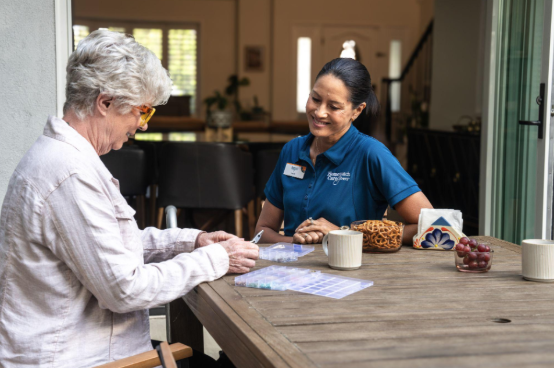
Many seniors come home with changed medication schedules. New doses, discontinued pills, and timing instructions can create confusion. While caregivers do not replace medical providers, they can offer reminders and help families notice when something seems unclear.
You should keep medications in one organized place and confirm instructions with the care team when questions arise.
Daily Tasks That Make Recovery Easier
Recovery is not only medical. It is also practical. A senior may need help preparing meals, changing clothes, getting to appointments, or keeping the home safe enough to rest.
One helpful plan may include these supports.
- Meal preparation that matches appetite and instructions
- Light housekeeping to reduce clutter and fall risks
- Transportation for appointments and errands
- Companionship during long or anxious parts of the day
Nutrition And Hydration Support Healing
A senior may not feel hungry after surgery, illness, or hospitalization. They may also forget to drink enough or avoid fluids because getting to the bathroom feels difficult. Meal support can make eating easier and more regular.
Simple meals, snacks, water reminders, and help with grocery lists can keep the body better supported.
Transportation Helps Follow Up Care Stay On Track
Follow up appointments can be stressful when a senior cannot drive or feels weak. Transportation support helps them get to the right place on time and return home safely.
You should keep discharge papers, medication lists, and questions together before each visit. That makes appointments more useful and reduces last minute stress.
What Families Should Watch After Discharge
Families do not need to act like nurses, but they should know which changes deserve attention. A senior may not always speak up about pain, dizziness, confusion, poor appetite, or trouble sleeping. Some may fear going back to the hospital, so they minimize symptoms.
Small Changes Can Signal Bigger Needs
Watch for changes in walking, mood, appetite, alertness, hygiene, medication use, or bathroom habits. Also notice whether your loved one is avoiding movement, skipping meals, or seeming more withdrawn than usual.
If something feels off, write it down. Clear notes help family members and healthcare providers see patterns instead of guessing from memory.
Communication Keeps Everyone Aligned
Recovery is easier when family members, caregivers, and medical providers understand the plan. A shared notebook, calendar, or phone list can help. Include appointment dates, medication questions, meal notes, and daily changes.

When professional caregivers are part of the home routine, they can support consistency by helping families track what happens between visits and appointments.
Choosing Support That Fits The Senior
Every recovery is different. Some seniors need short visits for meals and reminders. Others may need more frequent help with bathing, mobility, transportation, or supervision. The right plan should match the person, not force the person into a fixed schedule.
Care Should Adjust As Strength Returns
Recovery needs can change week by week. A senior may need more help at first, then less as strength improves. The plan should be flexible enough to change when walking becomes easier, appetite returns, or family availability shifts.
You should also expect respectful communication. Good care protects safety while listening to preferences, routines, culture, and comfort.
Local Support Can Bring Extra Peace Of Mind
Families in Coral Gables and nearby Miami communities often want care that feels personal and familiar. Homewatch CareGivers of Coral Gables offers home care support shaped around daily routines, family concerns, and the senior’s comfort at home.
The best care does not make recovery feel clinical. It makes home feel safer, steadier, and easier to navigate.
Conclusion
Post hospital recovery is a sensitive time. Seniors may be glad to return home, yet still need help with movement, meals, bathing, reminders, appointments, and confidence. Families may want to do everything, but the work can quickly become heavy.
You should treat the first days and weeks home as a planned transition. Review the discharge instructions, reduce fall risks, organize medications, support meals, and watch for changes that need attention. Most of all, give your loved one room to recover without rushing them back to old routines too quickly.
Safe recovery is not about doing everything for a senior. It is about giving the right support at the right time so healing can happen with comfort, dignity, and less worry for everyone involved.
Safer Recovery At Home Starts With The Right Support
→ Help your loved one transition home with comfort and confidence
→ Support meals, mobility, reminders, and daily routines after discharge
→ Give family peace of mind while recovery stays on track
Connect with Homewatch CareGivers Of Coral Gables to plan safe post-hospital care at home →
★★★★★ Rated 5/5 by 90+ families in Coral Gables for dependable, high-quality caregiving services.
Homecare Tips:
10 Signs It’s Time to Consider In-Home Elder Care for a Loved One
Why Flexible Care Plans Matter: Customizing Senior Care Around Your Family’s Schedule