⭐⭐⭐⭐⭐ 5 STARS – AN EXCEPTIONAL CAREGIVER WHO TRULY GOES ABOVE AND BEYOND! I traveled to Coral Gables for a medical procedure, and during my recovery, I had the absolute pleasure of having Jennifer Briones assigned as my caregiver. I can confidently say that she made my recovery experience not only comfortable but truly exceptional! From the very beginning, Jennifer demonstrated an incredible level of professionalism, attention to detail, dedication, and genuine compassion. What impressed me the most was how proactive and attentive she was throughout the entire experience. Although I was recovering remarkably well and was physically capable of doing many things independently, Jennifer made it her personal mission to ensure that I didn't have to lift a finger. She was always one step ahead, anticipating my needs before I even had the chance to ask. And when I say this woman is hardworking, I genuinely mean it! I don't think I saw her sit down once during the hours and days she cared for me! She was constantly multitasking, making sure everything was perfectly taken care of. From keeping the apartment spotless, doing laundry, helping me pack, preparing meals, and ensuring I was comfortable, she handled absolutely everything with remarkable efficiency and a wonderful attitude. Now, let's talk about her cooking because WOW! Jennifer is an incredible cook! Every single meal was prepared with so much flavor, care, and attention that I literally had to take a picture of every dish she placed in front of me! Her food was absolutely delicious, and it honestly felt like I was receiving five-star hospitality while recovering from surgery. But beyond her outstanding work ethic and exceptional service, what truly sets Jennifer apart is something that cannot be taught: genuine empathy and a natural passion for caring for others. Nothing about her care ever felt forced, transactional, or like she was simply completing a list of responsibilities. Everything felt effortless, organic, and sincere. You can genuinely tell that Jennifer loves what she does and understands how important it is for someone recovering from a medical procedure to feel safe, supported, comfortable, and cared for. Having someone like Jennifer during recovery makes an enormous difference. She didn't just fulfill her responsibilities; she exceeded every expectation and brought an incredible level of warmth and humanity to the entire experience. Jennifer Briones, you are absolutely fantastic! Your dedication, kindness, attention to detail, incredible cooking, and genuine compassion deserve to be recognized. Thank you for making my recovery such a positive and memorable experience. If you're traveling to Coral Gables for a medical procedure and have the opportunity to receive care from Jennifer, consider yourself extremely fortunate. I couldn't recommend her more highly! Five stars simply don't feel like enough! ⭐⭐⭐⭐⭐ Jennifer, outstanding job! Keep doing what you do because you truly make a difference in people's lives. ❤️
Víctor Vallejos
8 days ago
Thank you for your help, attention, responsibility, experience, and training; it is the right kind and exactly what our families need.
Darlin Fundora
13 days ago
Every kind and always on time. She treats my father like a member of her family.
Fe Echavarria
Sep 17, 2026
Nicole has been exceptional in her care for my aunt, who is living with Alzheimer's Disease with Dementia. She is professional, attentive, very patient, and caring. We truly could not have found a better caregiver to assist with my aunt's daily needs. Thank you, Nicole, we appreciate you very much.
Wynnefern Omowale
Sep 02, 2026
Great agency! Nicole is sweet and treat my dad Jesus with kindness and patience.
Lazara Perez
Aug 27, 2026
Gracias por la ayuda en mi casa excellent Empresa para la ayuda de personas mayor's estamos muy sastifechos con la colaboracion de la enfermera Morales nicele
Jesus Echavarria
Aug 27, 2026
I would like share my thanks , appreciation with all my gratitude , to Josie and the most amazing person Nicole for treating and handling my mothers illness and recovery with such noble love and compassion and mostly , wisdom , knowledge and willingness to go the extra mile . I Thank you all from the bottom of my heart. 🙏🏼♥️
Juan Garcia
Aug 24, 2026
I appreciate your help and assistance in advance. I am grateful for your cooperation with me at home, as your priority has always been to ensure I am comfortable and at ease. Thank you to Ms. Nicole for such wonderful care and for doing her job with genuine love—thank you very much.
Ada Garcia
Aug 24, 2026
Gracias q Grettel por su atención 🫶
ARM Reyes
Jul 31, 2026
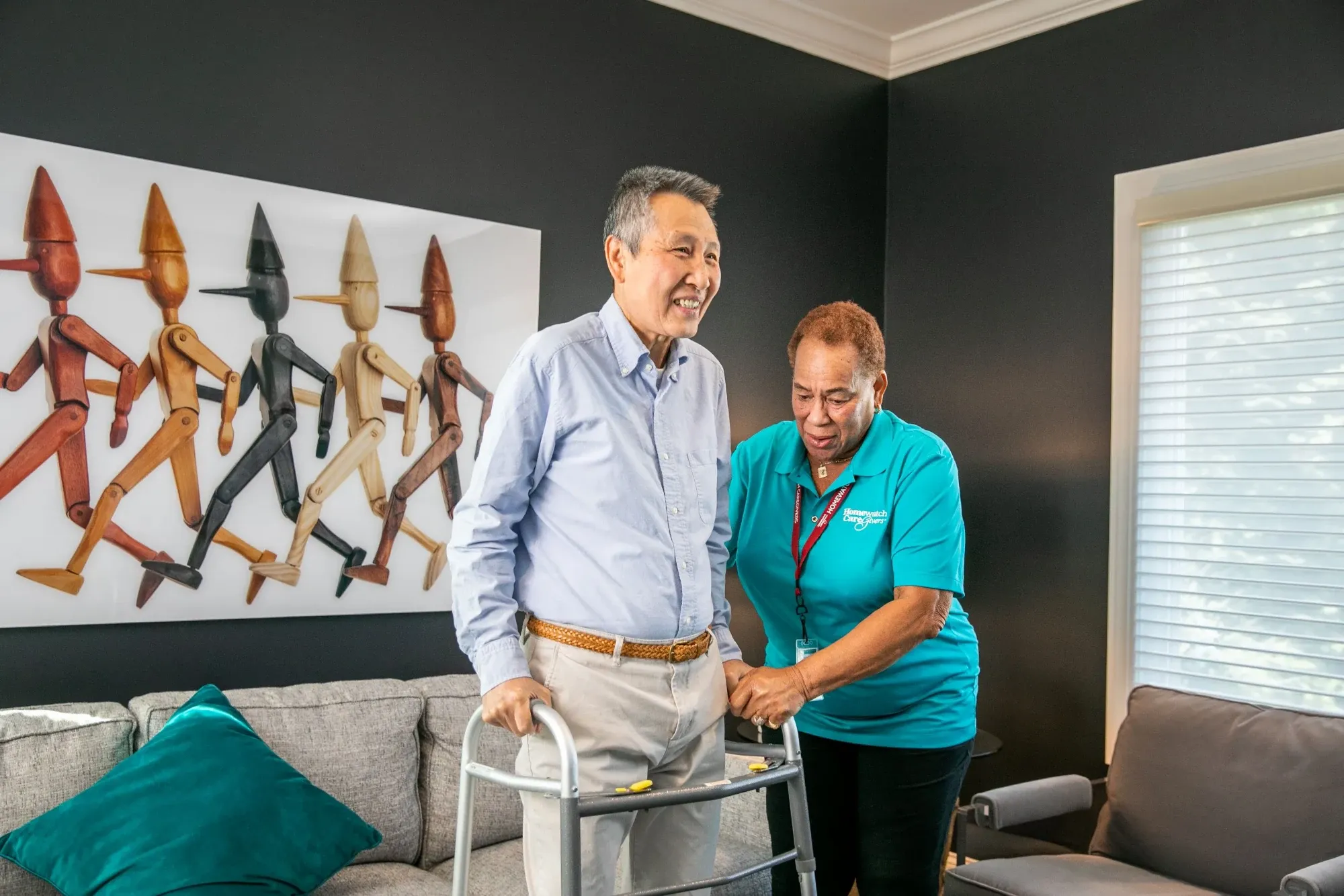
My mom needed short term care after a hospital stay and Homewatch CareGivers came through for us right away! They got my mom set up with an aide that helped prepare meals and make sure she didn’t fall. She also helped my mom walk daily and adjusted her schedule based on my mom’s doctor’s visits. The agency and staff were extremely professional and easy to work with. Thanks for all your help!!!
Ariella
Jul 28, 2026
Authority Brands is the leading provider of in-home services, building brands that support the success of franchisees as well as better the lives of the homeowners we serve and the people we employ.