
Seniors in East Atlanta face a tough challenge at the time they leave the hospital and head home. The trip to recovery often starts after they leave medical facilities, but this vital period lacks the support they need. The shift from professional medical care to home recovery creates unique obstacles for elderly people and their families.
Recovery needs don't just vanish when a senior family member comes back home after surgery or illness. Most families aren't ready to provide the specialized senior care that Atlanta residents need during this sensitive time. On top of that, the physical and emotional toll of recovery can be too much for seniors and their loved ones to handle. We see these struggles and know that proper senior care can improve recovery outcomes dramatically.
Table Of Contents
- What Happens After A Senior Returns Home From The Hospital?
- Types Of Support Seniors Need During Recovery
- How Professional Senior Care In East Atlanta Can Help
- Conclusion
- FAQs
In this piece, we'll look at what happens when seniors come home from medical facilities and the types of support they need. We'll also explore how professional help ensures a smooth and comfortable recovery. Your loved one might need temporary help or long-term support. Understanding everything in senior care will help you make better choices about their well-being.
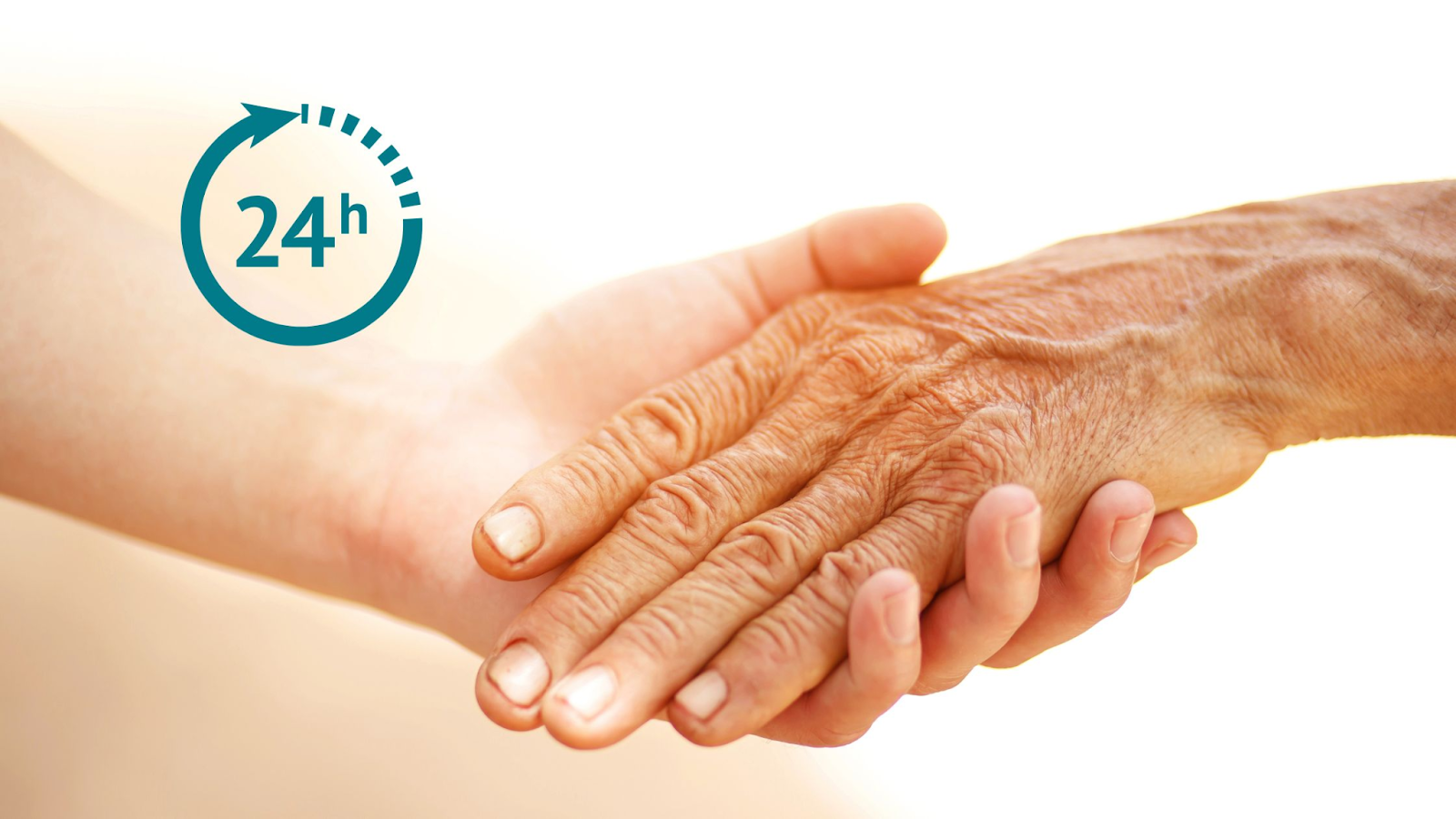
What Happens After A Senior Returns Home From The Hospital?
A senior's return home from the hospital starts a vital recovery journey. Coming back to familiar surroundings feels good, but it brings many challenges that can affect the healing process.
Seniors often deal with "post-hospital syndrome", they become more vulnerable after leaving the hospital. Their strength gets depleted not just from their illness but from the hospital stay too. Poor sleep, new medications, and limited movement in hospitals leave them exhausted right when they need to handle recovery on their own.
Regular daily tasks turn into real challenges. They might need help with basic things like showering, cooking meals, or walking up stairs. Medication management becomes particularly critical because new prescriptions often come with detailed schedules and possible side effects that need watching.
Seniors also come home with new rules about food, wounds that need care, or special equipment they must learn to use. Without the right guidance, they might miss appointments, make medication mistakes, or end up back in the hospital.
Most families jump in to help, but they face their own set of challenges. Family members usually don't have medical training, yet they find themselves planning care schedules, giving medications, and making health choices while managing their own lives.
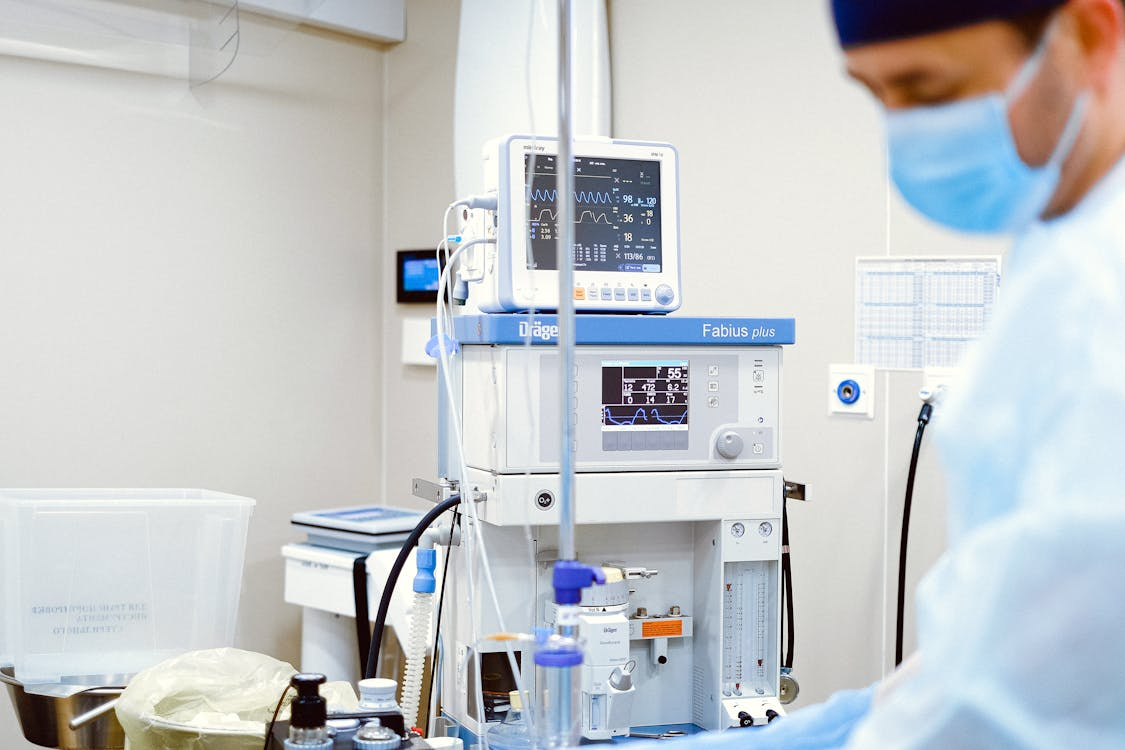
Types Of Support Seniors Need During Recovery
Seniors need different types of support to recover from a hospital stay based on their unique needs. The healing process involves more than just medical care. Several key areas work together to help seniors get better.
Medical monitoring stays a priority after discharge. Many seniors need help to track vital signs, manage wound care, and watch for concerning symptoms. Proper medication management is crucial since older adults often take multiple prescriptions that must be taken correctly to avoid dangerous interactions or missed doses.
Many seniors need physical help with daily activities. Tasks like bathing, dressing, and moving around require gentle, skilled care to prevent falls and help them stay independent. Additionally, proper meal preparation helps seniors get the nutrients their bodies need to heal.
Getting to follow-up appointments becomes critical because many seniors can't drive after procedures or feel too weak to use public transportation. The emotional side of recovery often gets overlooked, but companionship and support can affect how well someone heals.
We understand these complete recovery needs and our care plans address each part of recovery. This gives seniors the right support at the right time from our trained caregivers who specialize in post-hospital care.
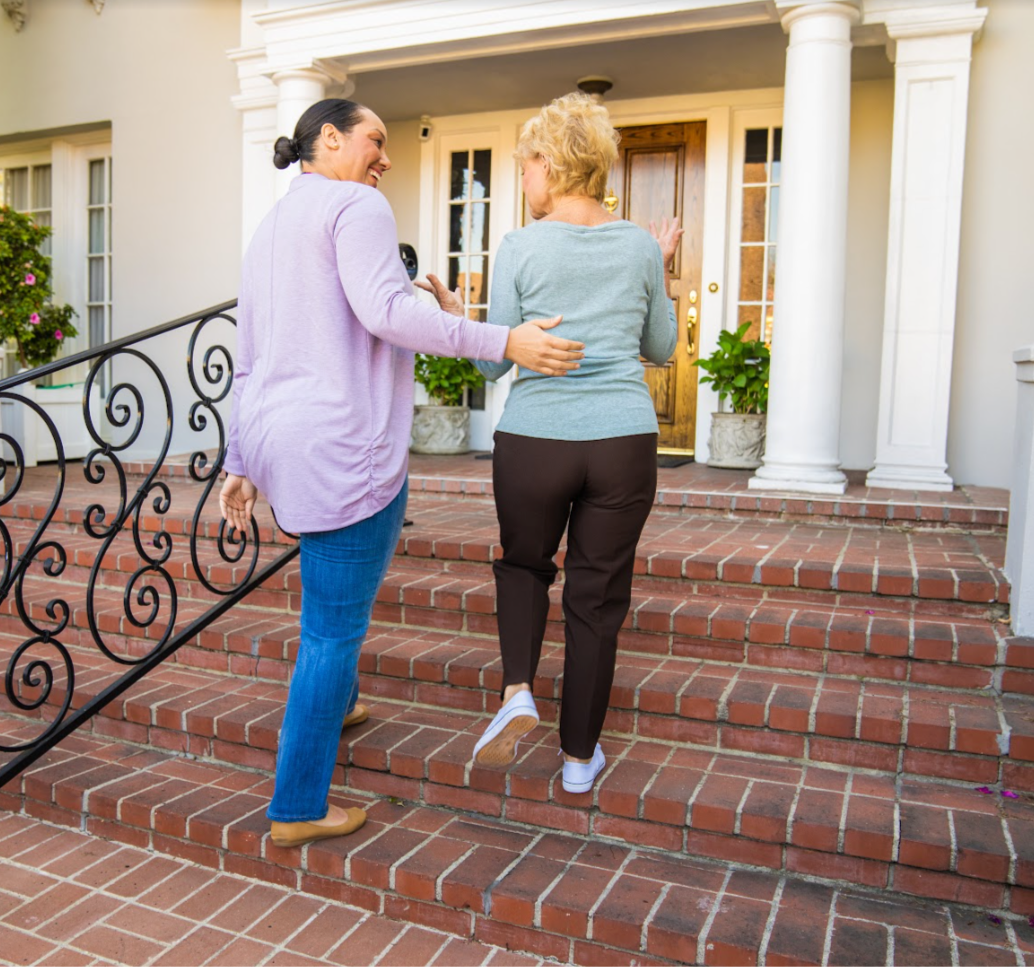
How Professional Senior Care In East Atlanta Can Help
Professional caregivers make a huge difference for seniors recovering at home. Homewatch CareGivers of East Atlanta brings specialized expertise that family members simply can't match. We know exactly how to handle complex post-hospital care needs.
Families who choose professional senior care East Atlanta residents trust get access to caregivers who truly understand recovery's nuances. We build custom care plans that adapt as your loved one gets better. This ensures they get the right support throughout their recovery.
Our senior care team takes care of everything during recovery. Our caregivers track medications carefully to prevent harmful interactions. They help with daily tasks like bathing, dressing, and moving around safely. This cuts down the risk of falls that often send seniors back to the hospital.
Recovery needs more than just physical care. Our professional caregivers become trusted companions and help reduce isolation. Research shows this makes a big difference in how well people heal. They cook healthy meals that fit dietary needs and drive clients to doctor's appointments.
Specialized senior care gives families real peace of mind. You won't have to worry about your loved one's safety or juggle caregiving with other duties. We handle all care details while you spend quality time with your family members.
Conclusion
Seniors start their real recovery the moment they return home from the hospital. They need proper support during this vulnerable time to heal physically and emotionally. Most families don't know what to expect when their loved one comes back home after an illness or surgery.
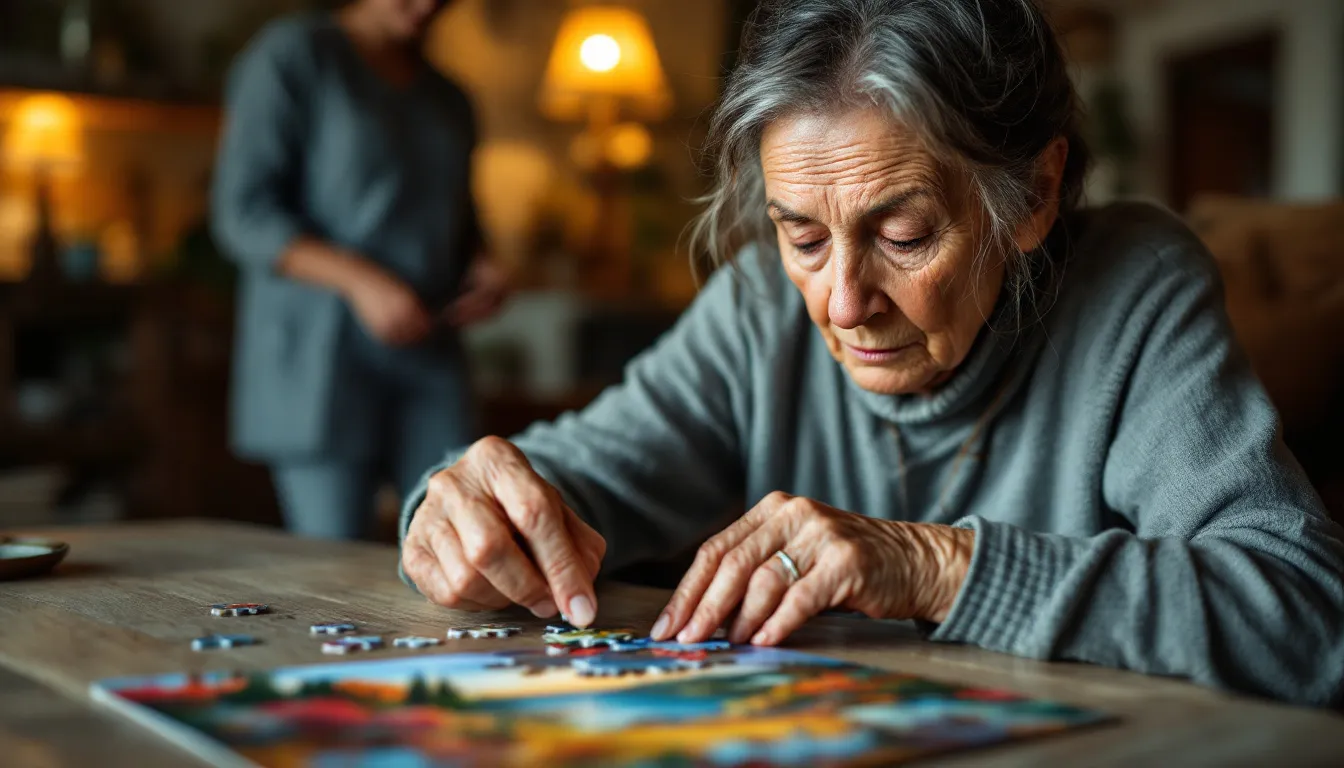
These seniors need detailed care to handle their medications, physical help, rides to follow-up appointments, and emotional backing. Of course, family members help a lot, but medical complexities and time limits can put too much pressure on them. Professional help is a great solution that works well for everyone involved.
Here at Homewatch CareGivers of East Atlanta, we know each senior's recovery experience is different. Our trained caregivers create individual-specific experiences while giving family members the break they need. This team approach lets families spend quality time together instead of worrying about care technicalities.
Seniors recover better when they feel safe and supported in their own homes. Professional senior care brings expert help right to their doorstep. On top of that, it reduces the risk of going back to the hospital by a lot during recovery.
Your loved one should have the best shot at full recovery. The right professional support during this crucial time ensures they get everything they need at the perfect moment. Good care at the right time makes the difference between just recovering and truly thriving on this recovery path.
FAQs
What types of support do seniors typically need after returning home from the hospital?
Seniors often require assistance with medication management, physical tasks like bathing and dressing, transportation to follow-up appointments, nutritional support, and emotional companionship during their recovery period.
How does professional senior care differ from family-provided care?
Professional caregivers bring specialized expertise in post-hospital care, create personalized care plans, and offer comprehensive support that addresses both physical and emotional needs. This allows family members to focus on quality time rather than struggling with complex care tasks.
What is "post-hospital syndrome" and why is it important?
Post-hospital syndrome is a period of vulnerability following hospital discharge when seniors are at higher risk of complications. It's important because it can impact recovery and increase the likelihood of readmission if not properly managed.
Are there services available to help seniors in East Atlanta during their recovery?
Yes, there are professional senior care services in East Atlanta, such as Homewatch CareGivers, that provide personalized in-home care to support seniors during their recovery from illness or surgery.
How can proper senior care reduce the risk of rehospitalization?
Proper senior care can reduce rehospitalization risks by ensuring medication adherence, providing physical assistance to prevent falls, offering nutritional support, and monitoring for early signs of complications, all of which contribute to a smoother recovery process.
Supporting Seniors After Illness or Surgery in East Atlanta
→ Provide personalized care to promote safe and comfortable recovery at home
→ Support daily activities to maintain independence and dignity
→ Offer companionship and emotional support during the healing process
→ Coordinate care and resources to meet changing health needs
★★★★★ Rated 4.9/5 by 75+ families in East Atlanta for dependable, high-quality caregiving services