
What happens to a family when every night feels like a waiting game?
That is often the real issue when someone we love starts needing more support at home. The concern is not only about tasks. It is about what could happen between tasks. A missed step in the hallway, confusion after dark, a bathroom trip that turns unsafe, a medication reminder that gets forgotten, or a weak moment that turns into a fall can keep the whole household on edge.
That is why 24 hour care matters to so many families. It creates steady support across the full day and night so care does not depend on guesswork or luck. Homewatch CareGivers of East Cobb lists 24-hour care among its services and says families can arrange support from once a week up to around-the-clock care based on what home life requires.
Table Of Contents
- Why Worry Grows When Home Care Needs Increase
- What 24 Hour Care Actually Looks Like At Home
- When Families Usually Start Thinking About More Coverage
- How Around The Clock Support Changes The Feel Of A Home
- What You Should Pay Attention To Before Choosing Care
- Why Families Worry Less Over Time
- Conclusion
- FAQs
For many clients, the relief starts before anything dramatic changes. It starts when the home no longer feels one incident away from a crisis. When someone dependable is there, families often sleep better, react less, and feel more confident that their loved one is not facing the hardest hours alone.

Why Worry Grows When Home Care Needs Increase
Most families do not wake up one day and suddenly decide full-day support is needed. The pressure usually builds little by little. First, someone needs extra reminders. Then they need help getting around safely. Then evenings become more unpredictable. Then one family member starts staying on alert even while trying to rest.
Small Changes Can Create Big Stress
A loved one may look mostly fine during the day but struggle more at night. They may become confused, restless, or physically unsteady once routines change and the house gets quiet. These are the moments that make families feel like they can never fully relax.
You should take those signs seriously even if nothing severe has happened yet. Repeated close calls matter. Worry that shows up every night is usually telling us something important about the level of support now needed.
Family Caregivers Start Carrying Too Much
In many homes, relatives try to cover the gaps themselves. One person checks in before work. Another handles meals. Someone else takes late evening calls. Over time, everyone starts working around the care situation instead of living their normal lives.
That kind of effort comes from love, but it is hard to sustain. Families can become exhausted without noticing how much their own health, patience, and routines have changed. Continuous home care is often considered when safety concerns and caregiver strain stop feeling occasional and start feeling constant.
What 24 Hour Care Actually Looks Like At Home
What does round-the-clock support really mean in daily life?
It means care continues through the hours when families usually feel the most uncertain. East Cobb’s 24-hour care page describes comprehensive in-home support for people who need constant attention, with help tailored to the individual in the comfort of home. That includes practical assistance with daily living and ongoing oversight rather than only emergency response.
It Is About More Than Emergencies
Families sometimes assume this type of care is only for someone with extreme medical needs. In reality, it can also help people who need steady assistance with movement, hygiene, meals, reminders, companionship, and safer routines throughout the day and night. East Cobb specifically lists services such as mobility assistance, personal hygiene and bathing, medication reminders, meal planning, errands, companionship, housekeeping, and laundry on its 24-hour care page.
That matters because most worry at home is not caused by a single major event. It is caused by a series of smaller concerns that never fully go away.

Home Stays Familiar While Support Gets Stronger
One reason families often prefer this option is that their loved one can remain in familiar surroundings. That can make daily life feel less disruptive while support becomes more consistent. Current 24-hour home care pages from other providers also emphasize the value of staying in a familiar home setting while receiving continuous assistance and supervision.
When Families Usually Start Thinking About More Coverage
There is often a turning point where a family starts asking a harder question. Can we keep doing this safely the way we are now?
Nights Become The Main Source Of Anxiety
Nighttime is often the biggest clue. A loved one may need help getting to the bathroom, may wake up disoriented, or may try to move around without enough strength or balance. If family members are sleeping lightly, setting alarms, or checking cameras repeatedly, that usually means the current arrangement is already causing strain.
You should not wait for a fall or medical scare to confirm what your household already feels. If the night has become the most stressful part of the day, that is worth paying attention to.
Recovery And Chronic Conditions Can Change The Picture Fast
A hospital discharge, surgery recovery, dementia symptoms, Parkinson’s disease, or another chronic condition can quickly shift how much care is needed. East Cobb’s site highlights not only 24-hour care but also dementia care, Alzheimer’s care, personal care, transition care, and other in-home services for changing needs.
That range matters because families are rarely dealing with one isolated issue. Care needs often overlap, especially when health changes make routines harder to manage safely.
How Around The Clock Support Changes The Feel Of A Home
What actually gets better once someone is there throughout the day and night?
Often, the answer is peace of mind. Not perfect ease. Not instant simplicity. But a noticeable drop in the constant mental pressure that families have been carrying.
Nights Feel Less Fragile
One of the biggest changes is knowing someone can respond right away if help is needed. That may mean assistance getting out of bed, help with toileting, calming confusion, or simply noticing when something is off before it becomes dangerous.
That presence matters. Families are not left hoping they hear the phone or wake up in time. The support is already there.
Routines Become More Steady
When care is consistent, everyday life often becomes smoother. Meals happen more regularly. Hygiene is less rushed. Medication reminders happen on time. Movement around the home is safer. That kind of structure can make the entire household feel calmer.
At Homewatch CareGivers of East Cobb, families can explore support that adjusts to changing routines rather than forcing a loved one into a one-size-fits-all schedule. Their site describes customized care plans and service options designed to fit the person’s needs at home.

Family Members Get To Be Family Again
This is one of the biggest emotional shifts. When one relative is doing everything, the relationship can start revolving around tasks. Continuous support can give spouses, adult children, and other loved ones more room to spend meaningful time together instead of only managing the next need.
That change matters to clients because quality of life is not only about safety. It is also about how people feel in their own home and within their own relationships.
What You Should Pay Attention To Before Choosing Care
If someone is going to be in your home day and night, what should you focus on first?
The answer is not just availability. It is fit, clarity, and trust.
Experience And Preparation Matter
East Cobb says its caregivers are continually trained, and its 24-hour care page notes that families often look for proven experience, relevant certifications, flexibility in emergencies, and reliable support when choosing this level of care. The page also says caregivers receive instruction through HWCG University and Certified Dementia Care training, along with background checks.
That is one reason families often feel more comfortable when care comes from trained caregivers who can handle both routine support and changing situations with steadiness.
Ask Questions That Make The Day Clearer
A short list of practical questions can help you sort out whether the setup feels workable
- Who helps overnight and how is that support handled
- What daily tasks are included in the care plan
- How are family updates shared
- What happens if needs change quickly
These questions do not make the decision less emotional, but they do make it easier to picture how life at home would actually work.
Why Families Worry Less Over Time
Worry does not vanish in a single day. But it often starts to soften when families stop carrying every hour on their own.
There is real comfort in knowing help is not just on call, but already present. That difference can change how a household sleeps, plans, communicates, and copes. It can also help families make clearer choices about long-term care because they are no longer operating from pure exhaustion.
For many clients, that is the real value of continuous home care. It gives everyone a steadier footing. The person receiving care is not left alone during vulnerable hours, and the family is not forced to hold the whole situation together by themselves.
Conclusion
When someone we love begins needing more help at home, worry has a way of filling every quiet moment. It shows up at bedtime, during missed calls, and in the constant feeling that one small issue could become a major problem. That is why 24-hour care can make such a meaningful difference. It brings coverage, structure, and reassurance into the hours families tend to fear most.
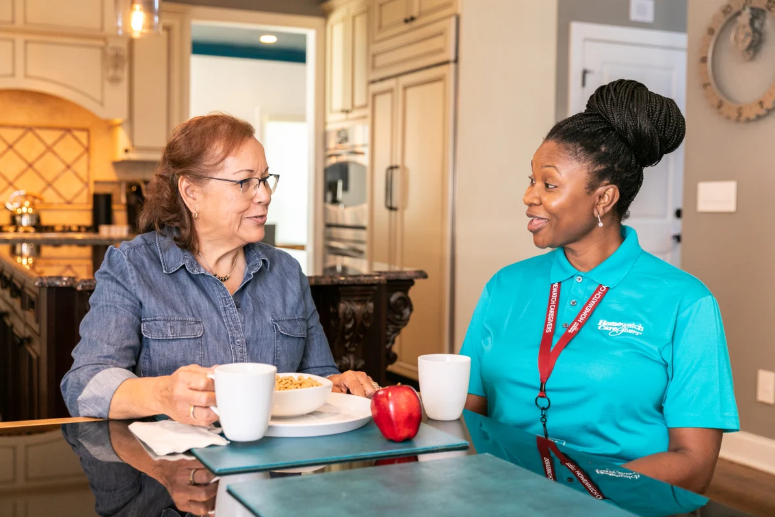
The goal is not to take the family out of caregiving. It is to make home life safer and more sustainable for everyone involved. If your household is spending more time reacting than resting, it may be time to think seriously about what ongoing support could change.
24 Hour Care That Brings Comfort And Peace Of Mind Home
→ Get dependable support day and night for changing care needs
→ Keep your loved one safe with attentive care at home
→ Choose flexible care that helps your family worry less
Connect with Homewatch CareGivers of East Cobb to talk through 24 hour care at home →
★★★★★ Rated 5/5 by 37+ families in East Cobb for dependable, high-quality caregiving services
Related Articles: