
When the hardest season of life arrives, what helps a family feel less alone inside its own home?
End-of-life care at home is often described as support for one person, but that leaves out a big part of the story. It can also support the spouse who has been carrying too much, the adult child trying to balance work and worry, and the grandchildren who do not fully understand what is changing. When care happens at home with the right help, the goal is not only comfort for your loved one. It is also steadiness, clarity, and breathing room for everyone around them.
Table Of Contents:
- Why Home Can Feel Like The Right Place In A Hard Season
- What Support At Home Really Looks Like Day To Day
- How Shared Care Protects Family Relationships
- What You Should Do To Make Care At Home More Manageable
- When It Is Time To Ask For Extra Help
- A Gentler Path For The Whole Family
- FAQs
We know how emotional this season can feel. You may be trying to manage medications, meals, bathing, sleep changes, appointments, and family emotions all at once. You may also be trying to protect your loved one’s dignity while hiding your own exhaustion. That is a lot for any one family to hold.
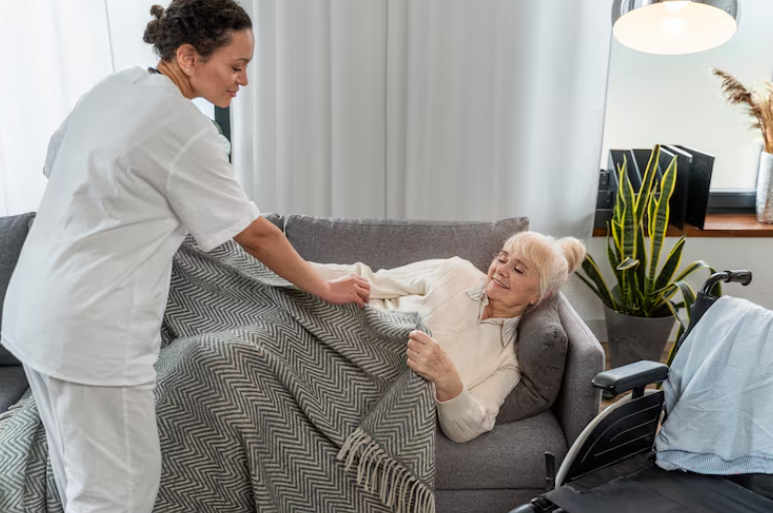
The good news is that home can be a place of support instead of strain. With a thoughtful plan, clear communication, and the right level of hands-on help, families can create more calm in a time that often feels uncertain. End-of-life care at home can make space for comfort, meaningful moments, and better support for the people giving care as well as the person receiving it.
Why Home Can Feel Like The Right Place In A Hard Season
Providing end-of-life care at home offers a personal and flexible environment where familiar surroundings and routines provide comfort to both the patient and their family. This setting allows for a customized pace of care that reflects the individual's wishes, helping relatives feel more in control and less helpless during a difficult season. By centering care around the person's preferences, families can shift their focus from reacting to clinical logistics to being emotionally present.
Comfort And Familiarity Can Lower Daily Stress
What makes a day feel easier when emotions are already running high? Often, it is not one dramatic change. It is the collection of small things that make life feel recognizable. A familiar home can reduce the stress of constant transitions, help preserve dignity, and allow loved ones to stay close in a natural way.
Home Creates More Room For Family Time
Care at home can also protect the emotional side of family life. Instead of spending every visit solving problems, you may have more chances to sit together, talk, laugh, pray, listen, or simply rest in the same room. Those moments matter deeply, and families often remember them long after the hard logistics fade.
What Support At Home Really Looks Like Day To Day
End-of-life care at home is not just one task or one visit. It is a mix of practical help, emotional support, and day-to-day consistency. Some families need a few hours of help. Others need more regular support as needs change. The right plan depends on the person, the household, and how much the family can safely manage.
Personal Care, Comfort, And A Predictable Routine
Daily support may include help with bathing, grooming, dressing, repositioning, meal support, light housekeeping, and keeping the home environment calm and safe. These tasks can sound simple on paper, but they are often the very things that wear families down over time. When one person is trying to do all of it, stress can build quickly.
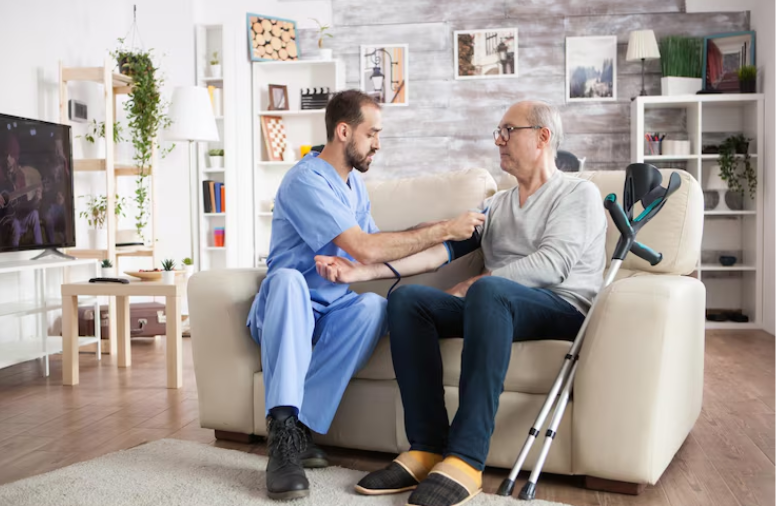
This is where professional caregivers can make a meaningful difference. They can help keep routines steady, notice when someone seems uncomfortable, and reduce the physical strain on family members who are trying to do it all. That kind of support does not replace your role. It helps protect it.
Communication And Coordination Matter Too
Good home care also helps families stay organized. Everyone needs to know who is helping, what the plan is for the day, what changes have been noticed, and when to speak up. If your loved one is also receiving hospice care, that can add another layer of guidance around comfort, symptom support, and family communication. When the team around your loved one works together, the home often feels calmer and more manageable.
How Shared Care Protects Family Relationships
What changes when support is shared instead of carried by one exhausted relative? In many homes, everything changes.
Without enough help, family members can slip into survival mode. One person becomes the scheduler, the cleaner, the overnight helper, the medication reminder, and the emotional anchor for everyone else. Resentment can grow even when love is strong. Brothers and sisters may disagree. A spouse may feel isolated. Adult children may start speaking only about tasks and stop speaking as a family.
Shared care can soften that pressure. When support is spread out, people are more able to show up as daughters, sons, spouses, and grandchildren instead of feeling like they are only workers in a constant crisis. That emotional shift is one of the most important ways end-of-life care at home supports the whole family.
Family Members Get To Be Present Again
Your loved one does not only need hands-on help. They need connection. When relatives are less overwhelmed by nonstop caregiving tasks, they are often more emotionally available. They can sit and listen. They can tell stories. They can notice what their loved one wants that day instead of rushing from one urgent task to the next.
Caregiving Feels Less Isolating
No one should have to carry this season alone. We often see families relax a little once they realize they do not have to be on every minute of every day. At Homewatch CareGivers of Novi, we understand that asking for help is not stepping back from love. It is often how families protect their strength, their patience, and their ability to keep showing up with compassion.
What You Should Do To Make Care At Home More Manageable
You do not need a perfect plan to make things better. You do need a realistic one. If you are caring for someone at home, a few grounded habits can prevent confusion and reduce conflict.
Keep these steps in mind
- Choose one main point of contact for updates so information does not get lost
- Write down the daily routine, medications, comfort preferences, and any changes you notice
- Let family and friends help with specific jobs such as meals, laundry, errands, or sitting with your loved one for a while
- Do not promise more than you can safely do, especially overnight or during lifting and bathing tasks
- Speak honestly with the care team when something feels too heavy, too confusing, or no longer safe at home
Caregivers are encouraged to prioritize self-care, including rest and accepting help, to maintain the stability of the entire household. It is crucial to address burnout and avoid the misconception that loving a family member requires handling every task alone; instead, families thrive when they move beyond trying to manage in isolation and establish a dedicated support system based on their actual needs.

When It Is Time To Ask For Extra Help
Families often delay getting help because they feel guilty, overwhelmed, or worry it means things are getting worse. Support may be needed when one person is carrying most of the care, sleep is constantly disrupted, tasks feel unsafe, tensions are rising, or caregiving is affecting work, parenting, or health. Asking for help before the family reaches exhaustion can reduce stress, create more balance at home, and protect dignity for both the person receiving care and their loved ones.
A Gentler Path For The Whole Family
End-of-life care at home is about far more than managing symptoms or completing daily tasks. It is about protecting the emotional life of a family during one of its most tender seasons. It can bring more comfort to your loved one, more clarity to your decisions, and more peace to the people trying to help.
You do not have to get everything right. You do not have to carry every responsibility alone. You do have permission to ask what kind of support would help your family feel steadier, kinder, and more present with one another.
And maybe that is the real question at the heart of this season. What would allow your family to spend less time scrambling and more time simply being together?
When care at home is supported well, the answer is often simple. More comfort. More dignity. More room for love.
Compassionate End-of-Life Care That Supports Your Whole Family
→ Bring comfort, calm, and dependable help into the home
→ Ease the daily pressure on family members with trusted care
→ Create more space for meaningful time together
Connect with Homewatch CareGivers of Novi to find the right support for your family at home →
★★★★★ Rated 5.0/5 by 11 local families in Novi for compassionate, reliable caregiving services
Homecare tips:
Solo Agers: Understanding and Supporting Adults Aging Without Traditional Family Support