
How To Choose Between Home Care And Assisted Living
What tells you more about the right care choice than a brochure ever could?
Usually, it is the rhythm of everyday life. Can your loved one still move safely through the house? Are meals getting skipped? Is loneliness becoming part of the week. Is medication starting to feel confusing? Is the family stretched too thin to keep covering every gap?
That is where this decision becomes real. Families often start by asking whether home care or assisted living is better, but that question can be too broad to help. A more useful question is this one. Which setting makes daily life safer, steadier, and more manageable for the person who actually needs the care?
Table Of Contents
- Start By Understanding What Each Option Really Means
- Look At Daily Life Before You Look At Labels
- Think About The Home Itself
- Consider How Much Flexibility You Need
- Cost Should Be Viewed Through Real Usage
- Pay Attention To Preference Without Ignoring Reality
- Conclusion
- FAQs
At Homewatch CareGivers of Coral Gables, we talk with families who are trying to sort through this exact decision. Many of them do not need a perfect answer right away. They need a practical way to think through what daily support looks like now, what may change soon, and what will feel sustainable for everyone involved.
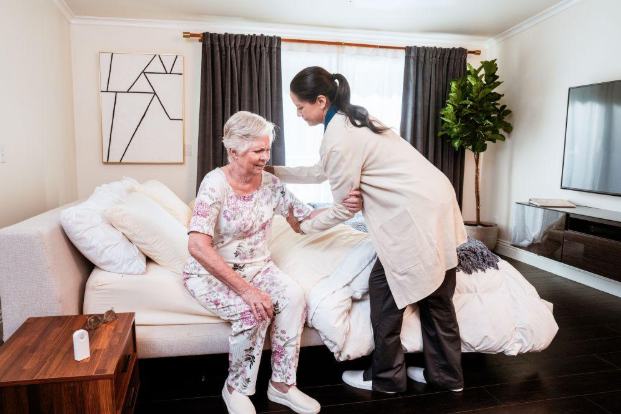
This is not a one-size-fits-all choice. Some older adults do best when they remain in familiar surroundings with help coming into the home. Others benefit from moving into a setting where support, meals, and community life are built into the environment. What matters most is not which option sounds best on paper. What matters is whether it fits your loved one’s health, preferences, safety, and routine.
Start By Understanding What Each Option Really Means
Families sometimes compare home care and assisted living as if they offer the exact same thing in different places. They overlap in some ways, but they are not identical.
Home Care Keeps Support Centered Around The Home
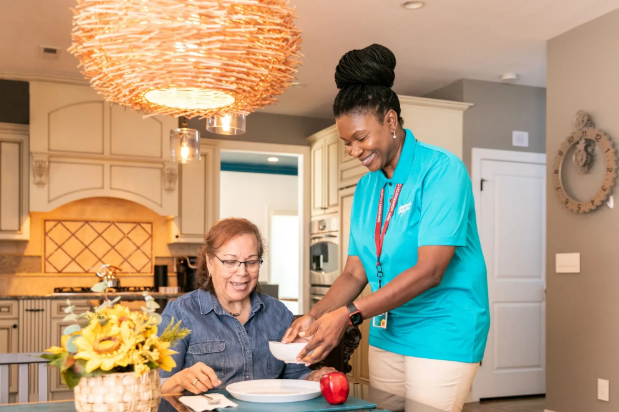
Home care means the person stays where they live and receives help there. Depending on the situation, that may include companionship, personal care, help with mobility, meal support, medication reminders, recovery support, or even round-the-clock assistance. The key difference is that the care comes to the person rather than the person moving to the care.
For many families, that matters because home is not just a location. It is routine, memory, privacy, and comfort. If your loved one is still strongly attached to their surroundings and can be supported safely there, staying home may feel like the most natural path.
Assisted Living Combines Housing And Ongoing Support
Assisted living is a residential option for people who need help with daily care but do not require the full-time medical care of a nursing home. It generally combines housing with help for things like bathing, dressing, meals, housekeeping, and medication support.
That change in setting can be a relief for some families. When a person is struggling with the demands of living alone, managing a house, or staying safe overnight, assisted living may offer more structure than piecing together help at home.
Look At Daily Life Before You Look At Labels
What is making daily life harder right now?
That question usually leads to better answers than simply comparing care categories.
Notice Which Tasks Have Started Slipping
If your loved one is forgetting meals, wearing the same clothes repeatedly, skipping showers, missing medications, or struggling to get around safely, do not brush those changes aside. These daily details often tell you more than a diagnosis does.
If the person mainly needs help with a few tasks and still does well in familiar surroundings, home care may be enough. If many parts of the day are becoming difficult at once and the home no longer feels manageable, assisted living may deserve a serious look.
Safety Matters More Than Good Intentions
Families often try to bridge every gap themselves for as long as possible. That instinct comes from love, but it can also delay important decisions. If there are falls, wandering, nighttime confusion, stove concerns, or missed medications, you should treat those signs seriously.
In-home support can often reduce those risks when the right plan is in place. Homewatch Coral Gables specifically notes customized care plans, safety protocols, condition-specific training, and services that can scale up when needed, including 24-hour care and dementia support.
Social Life Should Be Part Of The Decision Too
A person can be physically safe and still be struggling. Some older adults are lonely in ways that are easy to miss. Others are deeply content at home and have no interest in living in a shared community. You should pay attention to that difference.
Assisted living may suit someone who would benefit from being around other people more often and no longer wants the responsibilities of living alone. Home care may suit someone who values privacy, familiar routines, and staying rooted where they are.
Think About The Home Itself
Can the house still support the life your loved one is trying to live?
That question matters more than many families expect.
Some Homes Are Easier To Age In Than Others
A single-story home with a simple layout may remain workable for quite a while. A house with steep stairs, narrow bathrooms, poor lighting, or a difficult entryway may become stressful much sooner. In some cases, home care still works beautifully with a few modifications. In others, the space itself becomes part of the problem.
You should look honestly at how the home functions now, not how it functioned five years ago. The setting can either support independence or chip away at it every day.
Family Availability Changes What Is Realistic
Home care can be a strong option when family members are nearby and involved, but it can also work when relatives live farther away if the care plan is reliable and consistent. The real question is whether the person has enough support around them to stay safe and steady between visits, during evenings, and through unexpected changes.
This is where many clients start to see the decision more clearly. Sometimes the issue is not whether the person prefers home. It is whether the support system around that home is strong enough to make it work well.
Consider How Much Flexibility You Need
One of the biggest differences between these two options is how easily care can shift when needs change.
Home Care Can Start Smaller And Grow Over Time
Home care does not always begin with a major commitment. Some families start with a few weekly visits for companionship, transportation, or help after a hospital stay. Others add more support gradually as needs change. The Coral Gables location also offers care on demand, along with personal care, wellness care, and other services that can be adjusted as a person’s situation evolves.
That flexibility can be especially helpful when the family is not ready for a move or when the person’s needs are changing in stages rather than all at once.
Assisted Living Often Works Better When The Home Is No Longer Practical
There comes a point for some families when patching together support at home becomes more stressful than helpful. If the person needs help throughout the day and night, can no longer manage the home environment, or would benefit from more built-in structure, assisted living may offer a steadier long-term setup.
This does not make it the better option in general. It simply makes it the better fit for some situations.

Cost Should Be Viewed Through Real Usage
What feels more affordable on paper may not be what feels more workable in real life.
Compare The Full Picture Instead Of One Number
With home care, costs often depend on how many hours of help are needed and what kind of support is involved. With assisted living, the monthly cost usually includes housing and a package of services, though additional care can increase the total. A Place for Mom notes that assisted living includes room and board, while home care can become more expensive when someone needs extensive full-time help.
That is why families should avoid comparing only the base rate of one option against the base rate of another. You need to compare the actual level of help your loved one will need.
Ask What Will Still Work Six Months From Now
The cheapest option this month may not be the most sustainable option over the next year. Try to think beyond the immediate crisis. If your loved one is recovering from surgery and likely to improve, short-term home care may make a lot of sense. If memory issues are progressing and the person will soon need more supervision, it is worth planning for what comes next.
A good decision usually considers both the present and the likely near future.
Pay Attention To Preference Without Ignoring Reality
We all want to honor what our loved ones want. That matters. But preference should be weighed alongside safety, function, and support.
Independence Can Look Different In Different Settings
Some people feel most independent in their own home, even if help is coming in daily. Others feel more independent once they are relieved of cooking, housekeeping, transportation, and home upkeep. The word independence means different things to different people.
You should ask what kind of independence your loved one is really trying to preserve. Is it the freedom to stay in familiar surroundings. Is it the freedom to stop managing a household. Is it the freedom to have more social contact. The answer can point you in the right direction.
Good Care Should Reduce Strain, Not Add More Of It
If the current arrangement depends on exhausted relatives doing too much and hoping nothing goes wrong, that is not a stable care plan. Strong care decisions protect the older adult, but they should also make life more manageable for the family.
That is one reason families often feel relieved once they stop asking which option sounds nicer and start asking which option actually works.
In many home care situations, that support is carried by professional caregivers who help the person stay safer and more comfortable without removing them from the life they know. In other situations, a move is what creates the steadier path. The right answer is the one that supports the whole picture.

Conclusion
So how do you choose between home care and assisted living?
You start by looking closely at daily life. You look at safety, routine, social connection, the home itself, family capacity, and how quickly needs are changing. You think about what your loved one wants, but you also stay honest about what is and is not working anymore.
Home care may be the better choice when your loved one can still live safely at home with the right support, values familiarity, and would benefit from flexible help that can grow over time. Assisted living may be the better choice when living alone is no longer realistic, the home is becoming too difficult to manage, or a more structured setting would bring greater stability.
The goal is not to make a perfect choice for every possible future. The goal is to make a clear, thoughtful choice for the situation in front of you now, with enough honesty to adjust when needed. That is what usually leads families to the right fit.
FAQs
What is the main difference between home care and assisted living?
Home care brings support into a person’s own home, while assisted living provides housing and daily support in a residential community. The main difference is whether the person stays in their current home or moves into a care setting.
When is home care usually the better option?
Home care is often a better fit when the person wants to remain at home, can still do well there with support, and does not need the structure of a residential setting every hour of the day.
When does assisted living make more sense?
Assisted living often makes more sense when living alone is becoming unsafe, the home is difficult to manage, or the person would benefit from built-in meals, support, and social opportunities in one place.
Is home care always less expensive than assisted living?
Not always. Home care can be more affordable when only part-time support is needed, but costs can rise if someone needs extensive daily or overnight care. The better comparison is the total level of help required in each option.
Can families start with home care and switch later?
Yes. Many families begin with home care and reassess later if needs increase or the home no longer works well. A care decision does not have to be permanent to be the right one for now.
Choose In Home Care That Brings Support Without A Move
→ Get personalized care that fits your loved one’s daily routine
→ Start with flexible support that can grow as needs change
→ Help your loved one stay safe, comfortable, and at home
★★★★★ Rated 5/5 by 90+ families in Coral Gables for dependable, high-quality caregiving services.
Homecare Tips:
10 Signs It’s Time to Consider In-Home Elder Care for a Loved One
Why Flexible Care Plans Matter: Customizing Senior Care Around Your Family’s Schedule