
Parkinson's disease creates unique challenges that standard caregiving approaches don't deal with very well. People living with Parkinson's just need specialized care at home to manage their progressive neurological symptoms.
Caring for someone with Parkinson's brings unique challenges, particularly in Miami, Coral Gables, and Key Biscayne where specialized resources are scarce. Home care for Parkinson's patients goes beyond simple assistance. Caregivers must adapt to changes in mobility, medication timing, and cognitive function.
Many families find it difficult to provide effective home care that preserves their loved one's dignity and independence. The right specialized support allows Parkinson's patients to stay comfortable in their homes despite their condition's progression.
Table Of Contents
-
Why Parkinson’s Requires a Different Kind of Care?
-
Challenges of Caring for Parkinson’s Patients at Home
-
How Specialized In-Home Support Makes a Difference?
-
Conclusion
-
FAQs
This piece explores why Parkinson's patients just need specialized care. You'll learn about family caregivers' challenges and how professional in-home support can enhance the quality of life for patients and their families.
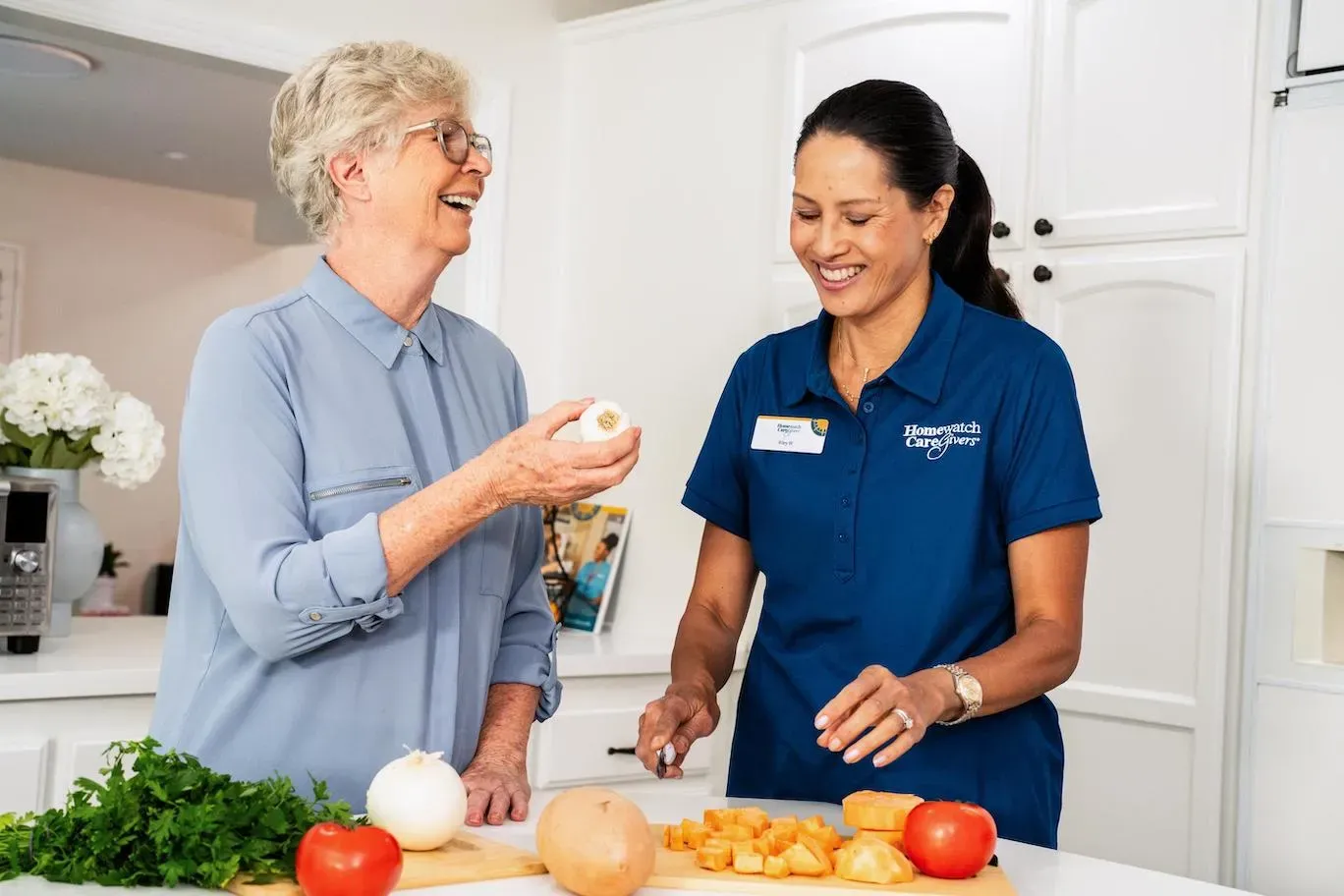
Why Parkinson’s Requires a Different Kind of Care?
Parkinson's disease creates unique challenges that set it apart from other health conditions. Standard caregiving approaches often fail to address the real-life needs of patients because of the disease's complex nature.
The disease affects everyone differently. You might struggle with tremors while others face balance issues or muscle stiffness. Symptoms can change dramatically throughout the day. Something that helps in the morning might not work by afternoon.
The medication schedule demands precise timing. Patients need multiple doses throughout the day. A slight delay can trigger "off periods" when symptoms suddenly get worse.
Parkinson's impact goes beyond physical symptoms. The disease brings cognitive and emotional changes that need special attention. Many patients deal with depression, anxiety, or changes that affect their ability to communicate and make decisions.
These challenges show why standard care approaches don't work well enough, especially when you have residents in Miami, Coral Gables, and Key Biscayne who need home care. Specialized caregivers know how to help with daily tasks and adapt their techniques as the disease progresses.
We need to constantly adjust care strategies because Parkinson's is progressive. Early-stage care methods won't work in later stages. Caregivers must spot subtle changes and modify their approach to match the patient's evolving needs.
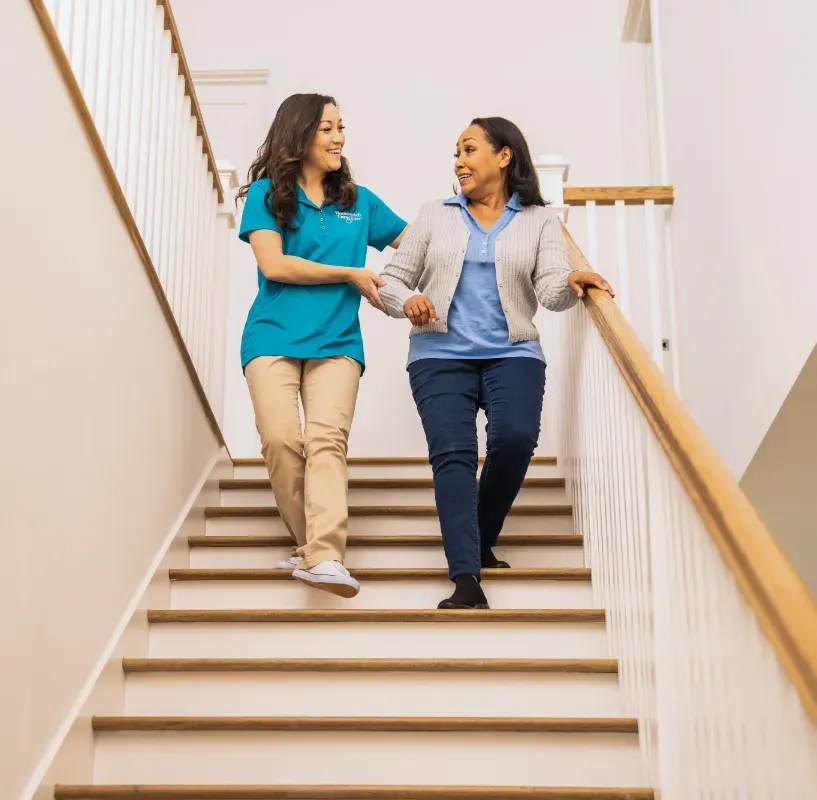
Challenges of Caring for Parkinson’s Patients at Home
Taking care of someone with Parkinson's at home brings challenges that most caregivers never expect. Many families feel overwhelmed when they start managing this progressive neurological condition without expert help.
Physical demands create immediate hurdles. Mobility support becomes more important as Parkinson's advances. Moving a loved one between bed and chair or helping with bathroom visits needs specific techniques to keep both caregiver and patient safe.
Medication management turns into a complex puzzle with Parkinson's disease. A missed dose or wrong timing can trigger sudden symptom changes. Family caregivers struggle to keep precise schedules while handling their other duties.
Safety concerns grow at home. The risk of falls increases by a lot as balance problems get worse. Homes need modifications and constant watchfulness. Cognitive changes add another layer of difficulty. Memory problems, confusion, and personality changes might develop as time passes.
The emotional toll on family caregivers hits hardest. Watching a loved one slowly decline while providing 24/7 care guides many toward burnout. Family members often face physical exhaustion, feel isolated, and struggle emotionally without proper training or breaks.
Families across Miami, Coral Gables, and Key Biscayne face these challenges every day. Many don't know that specialized in-home support could improve everyone's quality of life.
How Specialized In-Home Support Makes a Difference?
Expert in-home support revolutionizes care for people living with Parkinson's disease. Homewatch CareGivers has witnessed how trained professionals help manage this complex condition effectively.
Our condition-specific training gives us a distinct edge. Caregivers learn about Parkinson's symptoms, medication timing, and ways to assist with mobility. This knowledge helps them spot subtle changes in symptoms that others might miss.
Custom care plans are the foundations of quality Parkinson's care. We don't believe in generic solutions. Each client gets a full picture of their needs, and then we adjust the care as their condition changes.
Finding the right caregiver makes a huge difference. We match clients with caregivers whose skills and personalities line up with their unique situation. These partnerships grow into meaningful relationships that provide both physical and emotional support.
Specialized Parkinson's care puts safety first. We run complete background checks, implement fall prevention strategies, and review care plans regularly to keep the home environment secure as mobility needs change.
Families rest easier when they know their loved ones receive expert care. Our team approach keeps families actively involved in managing Parkinson's at home.
Conclusion
The right care approach for a loved one with Parkinson's disease affects their quality of life by a lot. Standard caregiving methods don't deal very well with the unique challenges of Parkinson's disease. Of course, this progressive condition needs specialized knowledge, adaptable techniques, and consistent support that changes with symptoms.
Managing Parkinson's at home puts overwhelming responsibilities on family caregivers. Physical demands can be exhausting. Complex medication schedules and safety concerns add more stress. Many families reach a breaking point because they don't know that specialized support could change their caregiving experience.
Specialized in-home care gives families a lifeline as they deal with Parkinson's disease. Care plans address specific symptoms and challenges instead of using generic solutions. Trained caregivers know how important precise medication timing is and can spot subtle symptom changes that might go unnoticed.
Specialized Parkinson's support lets your loved one keep their dignity and independence in familiar surroundings. The right care team becomes part of your family and provides physical help and emotional support during tough times.
We know that finding the right care solution feels overwhelming, especially when specialized resources are limited in your area. But the right in-home support makes all the difference in managing Parkinson's well. Your loved one should have care that truly meets their unique needs, care that changes and adapts as their condition progresses. This lets them live comfortably despite Parkinson's disease's challenges.
Homewatch CareGivers of Coral Gables Supporting Families Living With Parkinson’s
→ Get guidance on choosing in-home support that truly understands the daily challenges of Parkinson’s
→ Explore flexible care designed to adapt as symptoms change and routines shift
→ Rely on trained caregivers who support movement, safety, and dignity every day
Make a confident choice for specialized in-home Parkinson’s support in Coral Gables →
★★★★★ Rated 5/5 by 50+ families for dependable and compassionate caregiving services