
When does “I’ve got this” quietly turn into “I cannot keep up anymore”?
Most of us do not reach a decision about added support in one dramatic moment. It usually builds in small, easy-to-miss ways. A parent starts skipping showers because the bathroom feels slippery. A loved one avoids buttons and shoelaces because hands hurt. Meals become simpler, then sporadic, then less nutritious. None of these changes automatically mean a crisis, but they do signal that daily life is taking more effort than it used to.
Table Of Contents
- What Personal Care Means And What It Does Not Mean
- The Quiet Signs Families Often Miss At First
- When Safety And Health Risks Start To Outweigh Pride
- When Family Support Starts To Crack Under The Weight
- How To Talk About Personal Care Without A Power Struggle
- What To Do Next So You Feel Confident In The Decision
- Conclusion
- FAQs
If you are reading this, you may already sense the shift. We want to help you name what you are seeing, understand what support can look like, and decide when stepping in will protect your loved one’s comfort and dignity instead of taking them away.

What Personal Care Means And What It Does Not Mean
Let’s clear up a common confusion. When families say “care,” they can mean a lot of different things, from medical visits to help around the house. In-home care often includes non-medical help with daily tasks like bathing, dressing, grooming, toileting, mobility, meal prep, light housekeeping, and transportation, depending on the situation.
Here is the key point. Personal care is centered on activities of daily living, the basics that help someone get through the day safely and comfortably. Those basics include bathing, dressing, toileting, eating, and moving from one position to another.
What it does not have to mean is giving up independence or privacy. When done well, support feels like a respectful assist, not a takeover. Your loved one still makes choices. They still lead 22their day. Care simply removes the parts that have become risky, exhausting, or overwhelming.
The Quiet Signs Families Often Miss At First
What are you supposed to watch for if your loved one insists everything is fine?
The earliest clues are usually not dramatic. They are small changes in routine, appearance, or behavior that show someone is compensating. Many aging adults are skilled at adapting and hiding difficulties because they do not want to worry you or lose control.
Pay attention if you notice patterns like these.
Your loved one’s hygiene slips in ways that feel out of character. They may wear the same outfit repeatedly, avoid showers, or skip shaving or hair care. This often happens when bathing feels unsafe or tiring.
Daily tasks start taking much longer. Getting dressed becomes a slow, frustrating process. Standing from a chair looks like a struggle. They may hold onto furniture to get across a room. Mobility challenges are a major risk factor for falls, and even one fall can change confidence overnight.
Nutrition becomes inconsistent. You see weight loss, empty cupboards, or lots of snack foods. Cooking may feel too hard, or standing at the stove may feel unsafe.
Home maintenance declines. Mail piles up. Laundry sits. The bathroom is not as clean. These can be signs of low energy, pain, or difficulty moving, not simply “being messy.”

You hear more “I’m fine” paired with less activity. If a loved one stops attending church, clubs, or family get-togethers, ask yourself why. Is it fatigue, embarrassment, fear of falling, or trouble with toileting outside the home?
None of these signs alone confirms a need for formal support. The signal is consistent over time, especially when you notice workarounds or avoidance.
When Safety And Health Risks Start To Outweigh Pride
If a routine is risky, is it still worth protecting?
This is the hard part, because pride is not a flaw. It is a normal human response to change. Many seniors fear that accepting help is the first step toward losing their home or independence. We can honor that fear and still respond to real risks.
Look closely at these turning points.
Falls or near falls become more common. Even if they are “just a stumble,” it matters. People begin restricting movement after a scare. That can lead to less strength, less balance, and even more risk over time.
Medication routines get confusing. Maybe pills are missed, doubled, or taken at odd times. Even non medical support like reminders can protect consistency.
Bathroom needs become complicated. If toileting is difficult, seniors may drink less water or avoid eating to reduce trips, which can create new health issues.
Bathing becomes a stress point. The National Institute on Aging notes that bathing and dressing are private routines and your loved one may feel embarrassed or angry when they need help. That emotional piece is real and it is why timing and approach matter.
Here is a helpful question to ask yourself. If no one knew about this struggle, would it still be safe? If the answer is no, it may be time to add support before an injury forces your hand.
When Family Support Starts To Crack Under The Weight
What happens when helping becomes a second job, and nobody says it out loud?
Even the most devoted family members have limits. Caregiving can drain time, money, sleep, and mental health. Johns Hopkins Medicine describes how in-home help may be worth considering when you feel stretched thin and the demands become emotionally and physically exhausting.
You might recognize this in yourself if you are constantly on call, missing work, or feeling anxious when you cannot reach your loved one. You might notice tension with siblings, or guilt that you are not doing enough even when you are doing everything.
This is also the moment many families begin thinking about hiring caregivers to share the load in a structured way. The goal is not to replace family. It is to protect the family relationship. When you are not responsible for every bath, every outfit, every meal, you can show up more as a daughter, son, spouse, or friend.
If you are a long distance family member, the strain can be sharper. You are trying to assess needs through short calls and occasional visits. A plan that includes regular in person support can reduce fear and guesswork.
How To Talk About Personal Care Without A Power Struggle
How do you bring up help without sounding like you are taking control?
Start by remembering that the first conversation rarely solves it. Think of it as opening a door, not pushing someone through it.
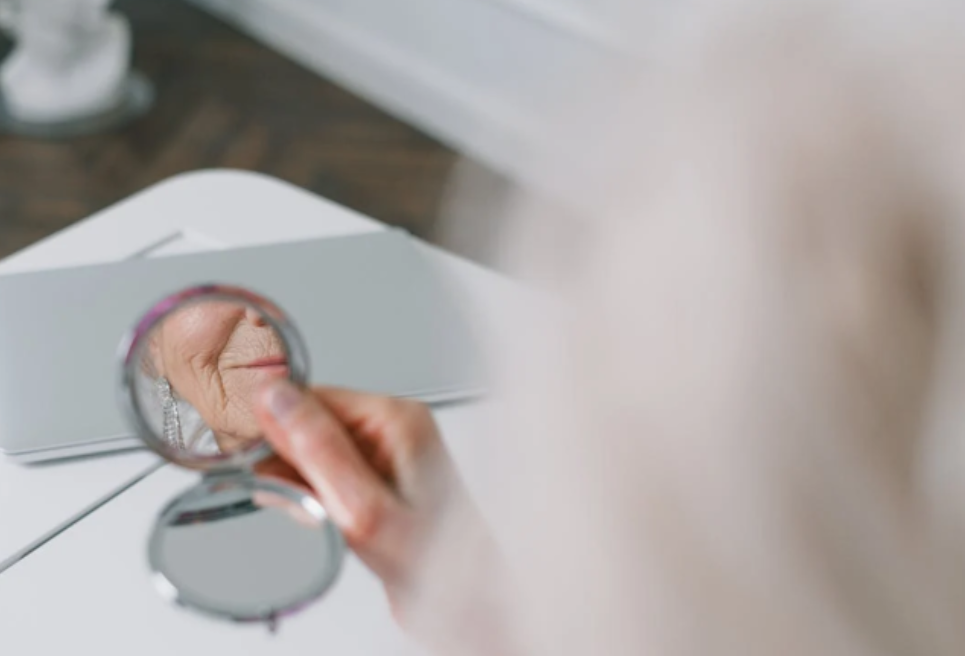
Lead with what matters to them. Most seniors care about staying home, staying private, and staying in charge. Frame support as a way to protect those priorities.
Use specific observations, not labels. “I noticed the shower mat is still dry most days” lands better than “You are not taking care of yourself.”
Offer choices. Ask what feels hardest right now. Ask what time of day is most tiring. Ask which task they would gladly hand off. Choice preserves dignity.
Keep it practical and small. Many people accept help more easily when it starts with a few hours a week. Once trust forms, expanding support feels less threatening.
One more creative question that can shift the tone is this. If your best friend had your same aches and worries, would you tell them to keep doing this alone? It invites compassion without blame.
If you live in the area, families sometimes look for guidance through organizations such as Homewatch CareGivers of Lower Bucks County when they want a plan that respects routines and preferences while improving day to day safety.
What To Do Next So You Feel Confident In The Decision
So what is the next step if you think it might be time?
We recommend moving from worry to clarity. That means gathering information and testing support in a way that feels controlled and respectful.
Start with a simple home and routine review. Walk through the day, morning to night. Where does your loved one struggle, rush, or avoid? Pay close attention to the bathroom, stairs, and nighttime routines.
Talk with your loved one’s clinician if you have permission. Ask about mobility risk, medication complexity, and whether fatigue or pain is likely to increase. You are not looking for a diagnosis. You are looking for practical guardrails.
Then consider a short trial of help. A trial can show your loved one that support can feel normal, friendly, and private. It can also show you what truly needs assistance and what does not.
Use these questions to decide whether a trial of personal care support makes sense in the next month.
- Are bathing and dressing becoming unsafe or regularly avoided?
- Have there been falls, near falls, or fear of moving around the home?
- Are meals, hydration, or hygiene slipping for more than a couple weeks?
- Are you providing more hands-on help than you can sustain?
- Is your loved one limiting life because daily tasks feel too hard?
If you answered yes to two or more, a trial is often a reasonable next step. You are not committing to forever. You are choosing a safer, calmer present.
Conclusion
Deciding when to consider personal care is less about one big event and more about patterns that tell a story. We watch for safety risks, skipped routines, fatigue, and the quiet ways people compensate. We also watch for the toll on family members, because burnout helps no one.
If you take only one idea from this, let it be this. Adding support early usually protects independence longer. Waiting for a crisis often forces bigger changes, faster.
Your job is not to do everything alone. Your job is to help your loved one live with dignity, comfort, and as much control as possible.
Personal Care Support That Keeps Your Loved One Safe And Independent
→ Get help with daily routines that have become difficult or unsafe
→ Work with consistent caregivers who respect comfort and dignity
→ Adjust care as needs change so support always feels right
Connect with Homewatch CareGivers of Lower Bucks County to start the right level of care at home →
★★★★★ Rated 4.3/5 by 30+ families in Lower Bucks for reliable, high-quality caregiving services.
Homecare Tips: