
What turns the first quiet evening at home after surgery from nerve-racking into manageable?
Surgery may happen in a hospital or outpatient center, but recovery usually continues in a bedroom, kitchen, or hallway that was not designed around soreness and limited movement. You may have discharge papers, new prescriptions, pain, and instructions that feel clear at first but harder to follow later. Your family may care deeply, yet still wonder when to help or call the doctor.
Table Of Contents
- Recovery Feels Risky When Simple Tasks Change
- Good Help Starts Before You Come Home
- Caregiver Support Helps Protect The Healing Routine
- Family Support Matters, But It Needs Limits
- What Post-Surgery Help Can Include At Home
- Conclusion
- FAQs
That is why post-surgery help can matter so much. It does not replace medical advice, and it cannot remove every risk. It can make the day safer, calmer, and more organized while your body heals. We want you to understand what support can look like and why timing matters.

Recovery Feels Risky When Simple Tasks Change
The risky part after surgery is often the small daily tasks that suddenly take more effort. Getting out of bed, walking to the bathroom, showering, changing clothes, preparing food, taking medicine, and answering the door can feel harder when your body is sore or weak.
Pain medicine may make you sleepy, dizzy, or forgetful. A hallway can feel longer. A rug can become a tripping hazard. When these small problems pile up, recovery can feel more stressful than expected.
Homewatch CareGivers of Novi understands that families often need practical help, not a dramatic plan. The goal is steady support that helps you follow instructions and avoid doing too much too soon.
The First Few Days Set The Tone
The first days at home help you learn what your body can handle. You may discover which movements hurt and which tasks need help.
Having someone nearby can reduce pressure. A helper can keep water within reach, prepare a light meal, clear a path, or stay close while you walk.
Feeling Better Does Not Mean Doing Everything
A good hour can be misleading. You may feel well enough to fold laundry, cook, climb stairs, or skip rest, then feel worse later.
You should respect signs of progress, but you should not rush. Recovery is usually safer when you pace yourself and ask for help with bending, lifting, standing, and balance.
Good Help Starts Before You Come Home
Post-surgery support works best when it is planned before discharge. Waiting until you are tired can make every choice feel urgent. Before surgery, think through your home, schedule, transportation, and daily needs.
Ask yourself one honest question. What would feel unsafe if I were sore, groggy, and moving slowly tomorrow? Your answer can show where support is needed most.
Prepare Your Recovery Space Early
Your main resting area should be easy to use. Keep water, tissues, phone chargers, glasses, medication lists, and doctor instructions nearby. Clear walkways so you do not step around cords, shoes, baskets, or small tables.
If your bedroom is upstairs, ask whether a temporary main floor setup makes sense. If you will use a walker, cane, or crutches, make sure paths are wide enough before you return home.

Ask Clear Questions Before Discharge
One short list can prevent confusion.
- What symptoms should be reported right away?
- When should each medication be taken?
- What movement limits should be followed?
- When is showering allowed?
- Who will drive to follow-up visits?
Write the answers down. Pain, worry, and fatigue can blur details. A written plan helps everyone support the same routine.
Caregiver Support Helps Protect The Healing Routine
A safer recovery is often built around routine. Meals, movement, rest, medication reminders, and follow-up visits all matter. When the routine breaks, stress rises.
That is why professional caregivers can help with nonmedical daily support. They may assist with personal care, light housekeeping, meals, mobility support, reminders, transportation, and companionship. They do not replace doctors or nurses, but they can help you follow the plan your medical team provides.
Medication Reminders Can Ease Worry
Many people come home with new prescriptions or changed schedules. Some medicine must be taken with food. Some may cause drowsiness. Some should not be doubled if a dose is missed.
A caregiver can remind you when it is time, help you check the written schedule, and notice if you seem confused. Your doctor or pharmacist should answer medication questions, but a steady reminder system can reduce everyday mistakes.
Mobility Help Can Lower Fall Concerns
Moving after surgery may be encouraged, but moving without support can be risky. You may need help standing, walking, turning, sitting, or getting to the bathroom at night.
You should not feel embarrassed about balance support. Asking for help can protect your energy and help you move as recommended.
Family Support Matters, But It Needs Limits
Families often want to do everything. That love is important. Still, recovery can be tiring for everyone involved. A spouse may be anxious. Adult children may be working. Friends may help once.
A shared plan protects the patient and the family caregiver.
Be Honest About What Family Can Do
Before surgery, talk about who can help, when they can come, and which tasks they feel comfortable doing. Some people can cook but not help with bathing. Some can drive but not stay overnight. Some can visit only on weekends.
Clear roles prevent confusion and reveal gaps. If mornings, evenings, or nighttime bathroom trips are hardest, plan for those hours first.
Extra Help Can Make Family Time Calmer
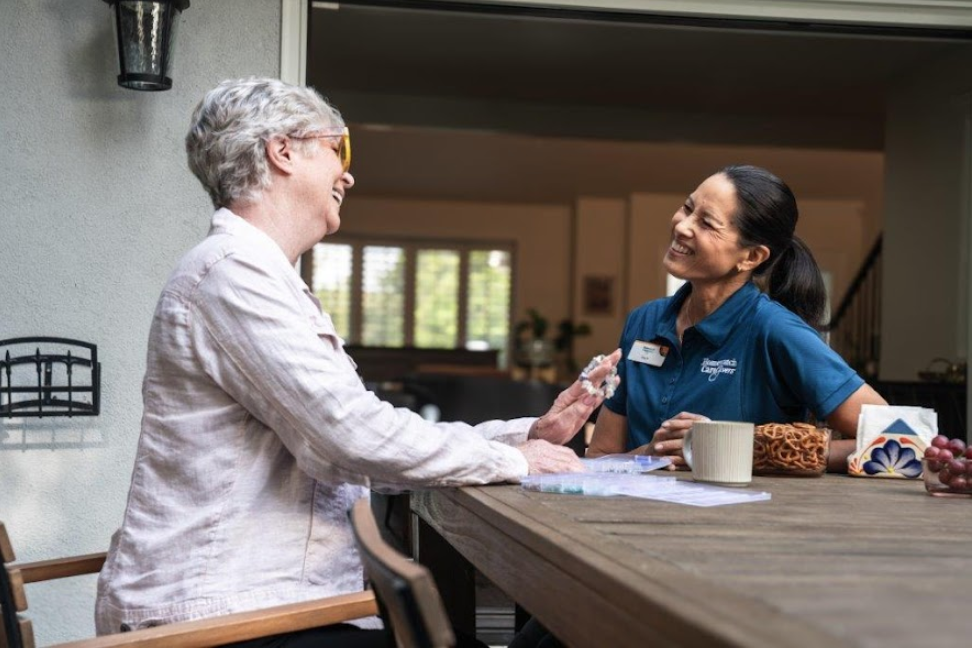
Care is not only about tasks. It also affects relationships. When another person helps with routine needs, family members can rest, work, or spend calmer time with you.
Good support should not push family away. It should make family care easier to sustain.
What Post-Surgery Help Can Include At Home
Every recovery is different, so support should match the surgery, home setup, doctor instructions, and personal comfort level. Some people need a few hours of help. Others need support for days or weeks.
The best after-surgery care focuses on what keeps your day safe and manageable. That may include bathing, dressing, grooming, meals, laundry, light cleaning, reminders, transportation, errands, mobility help, and companionship.
Personal Care Should Protect Dignity
Needing help with bathing or dressing can feel uncomfortable. A respectful caregiver should explain each step, offer choices, and protect your privacy.
You should never feel rushed or talked down to. The more comfortable you feel accepting help, the less likely you are to take unsafe shortcuts.
Meals And Hydration Keep Days Steady
Cooking can be tiring after surgery. Standing at the stove, lifting pans, reaching into cabinets, or carrying plates can strain your body.
Simple meal support keeps food within reach without using all your energy. A nearby glass of water can also help, especially if medicine causes dry mouth or constipation.
Transportation Reduces Appointment Stress
Follow-up visits matter, but driving may not be safe or allowed. Even getting into a car can take patience.
Planning rides ahead of time can prevent missed appointments and last-minute worry. A caregiver can help you gather paperwork, prepare questions, and settle back in after the visit.
Conclusion
Post-surgery recovery feels less risky when the day is organized, the home is safer, and the patient does not have to push through hard tasks alone. Help at home can protect routines, reduce stress, and give families a clearer way to support healing.
You should plan early, ask direct discharge questions, prepare your space, and be honest about what you can safely do. We believe recovery is not only about getting through the first days. It is about giving your body the right conditions to heal while keeping your dignity, comfort, and confidence intact.

Post-Surgery Support That Helps Recovery Feel Safer At Home
→ Get help with daily tasks after surgery or a hospital stay
→ Support comfort, mobility, and routine during recovery
→ Adjust care as strength and needs change
Connect with Homewatch CareGivers of Novi to start post-surgery support at home →
★★★★★ Rated 5.0/5 by 11+ local families in Novi for compassionate, reliable caregiving services
Homecare tips:
Solo Agers: Understanding and Supporting Adults Aging Without Traditional Family Support