
Who holds the caregiver together when everyone else is depending on them to hold the day together?
Family caregiving often begins with love, loyalty, and a promise to be there. Over time, that promise can become a full daily rhythm. You may manage meals, rides, medication reminders, bathing, bills, appointments, safety checks, and emotional support while still trying to keep your own life moving. The work can feel meaningful and exhausting at the same time.
Burnout rarely arrives all at once. It shows up as shorter patience, poor sleep, skipped meals, constant worry, resentment, guilt, and the feeling that you cannot step away without something going wrong. A thoughtful respite care plan gives family caregivers room to rest while a loved one still receives steady support. We believe breaks are not a sign of weakness. They are part of sustainable care.
Table Of Contents
- Why Family Caregivers Burn Out Quietly
- How Short Breaks Support Better Care
- What Relief Support Can Look Like At Home
- How To Plan A Break Without Guilt
- When A Family Needs More Than Occasional Help
- Conclusion
- FAQs
Why Family Caregivers Burn Out Quietly
Caregiving duties often grow faster than families notice. What started as a weekly grocery run may become daily meal preparation, personal care, transportation, medication reminders, and help with mobility. You may keep adjusting because each new task feels small by itself.
The problem is that small tasks add up. When your day has no clear beginning or end, your body and mind stay on alert. That constant alertness can wear you down even when your loved one is grateful and the relationship is strong.
Guilt Can Make Rest Feel Wrong
Many family caregivers feel guilty for wanting time away. You may tell yourself that no one else knows your loved one’s habits, preferences, or moods the way you do. That may be true, but it does not mean you should carry every hour alone.
Rest does not erase devotion. It protects your ability to keep showing up with patience and clarity.
Burnout Affects The Whole Household
When you are overwhelmed, everything becomes harder. Conversations feel tense. Tasks take longer. Small changes feel like emergencies. Your loved one may sense your stress, and other family members may not understand how heavy the role has become.
You should not wait until frustration becomes the loudest voice in the home.
How Short Breaks Support Better Care
Time away can reset your energy. A few hours to sleep, walk, shop, attend an appointment, or sit quietly can make a real difference. Caregiving requires attention, and attention needs recovery.
You should not treat rest as something you earn only after everything else is finished. There will always be another task. A break belongs in the care plan, not at the bottom of the list.
Consistent Relief Creates Predictability
One break can help, but predictable breaks help more. If you know support arrives every Tuesday morning or two evenings a week, you can plan your own needs without begging for time at the last minute.
Predictability also helps your loved one adjust. New support feels less disruptive when it becomes part of a familiar routine.
Your Loved One Benefits Too
A caregiver break is not only for you. Your loved one may enjoy fresh conversation, a different activity, or gentle help from someone outside the family. It can reduce tension when personal tasks become emotionally complicated between relatives.
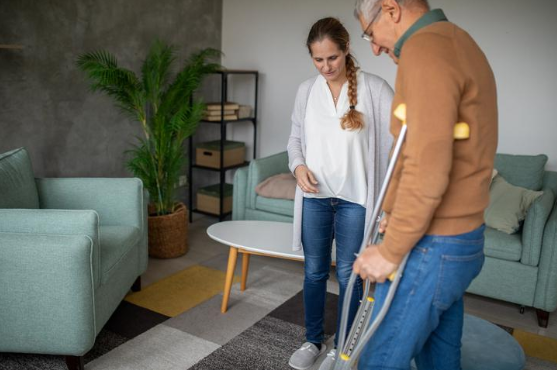
Support from professional caregivers can also help preserve dignity because care is offered with training, patience, and respect for privacy.
What Relief Support Can Look Like At Home
Short break support should fit the person and the household. Some families need help for a few hours while they run errands. Others need regular coverage during work hours, appointments, or overnight rest. The right plan depends on safety, routines, and what brings the most relief.
Help With Personal Care
Bathing, dressing, toileting, grooming, and mobility can be physically and emotionally demanding. A trained caregiver can help with these tasks while allowing your loved one to feel respected.
You should not force yourself to manage intimate care if it is damaging the relationship. Sometimes outside help makes family time feel warmer again.
Support For Meals And Daily Routines
Meals, hydration, light housekeeping, laundry, and reminders keep the day organized. These tasks may look simple, but they often consume the caregiver’s entire schedule.
Home support can help your loved one stay comfortable while you step away. It can also keep the home calmer because basic needs are handled consistently.
Companionship And Supervision
Some loved ones should not be left alone because of fall risk, memory changes, anxiety, or frailty. Companionship offers a steady presence while you take care of your own responsibilities.
A caregiver can talk, read, prepare a snack, assist with safe movement, or simply remain nearby. That presence can lower worry for everyone.
One Simple Way To Start
If you are unsure where to begin, start by naming the hours that feel hardest.
- Morning personal care before work
- Afternoon supervision during errands
- Evening meals and bedtime routines
- Appointment days that disrupt the week
- Overnight worry when sleep is broken
Choose one pressure point first. You do not need a perfect plan to begin.
How To Plan A Break Without Guilt
Care conversations are easier when they happen before exhaustion takes over. Tell your loved one what you are noticing. Use calm, specific words. Instead of saying you cannot do this anymore, explain that both of you may benefit from a few hours of steady help.
You should also invite their preferences. Do they want help in the morning or afternoon? Which tasks feel most private? What routine would make support feel less intrusive?
Keep Family Roles Clear
Burnout often grows when one person becomes the default answer to every problem. If siblings, spouses, or relatives are involved, define who handles appointments, errands, finances, visits, supplies, and communication.

Do not assume everyone understands the workload. Share the schedule clearly. A care calendar or shared note can reduce confusion.
Let The First Visits Be Gentle
The first visit does not need to solve everything. It can focus on companionship, a meal, light help, or a short outing while trust builds. Once your loved one becomes more comfortable, support can expand.
We encourage families to treat the first few visits as an adjustment period, not a test everyone must pass perfectly.
When A Family Needs More Than Occasional Help
If you feel constantly exhausted, angry, tearful, isolated, or unable to sleep, your body may be asking for more support. If your loved one has more falls, missed meals, hygiene concerns, confusion, or unsafe moments, the care plan may need to change.
You should not minimize patterns because you are used to them. Familiar stress can still be harmful.
Support Can Grow Over Time
A few hours a week may be enough at first. Later, your family may need daily visits, overnight help, transportation, personal care, or support after hospitalization. Care needs can change, and the plan should be flexible enough to change with them.
Families often reach out to Homewatch CareGivers Of Novi when they want care that respects routines while helping family caregivers step back, rest, and continue loving their role without carrying every detail alone.
Conclusion
Family caregivers give time, energy, patience, and heart. That care matters deeply, but it should not cost your health, relationships, or sense of self. Burnout is not proof that you do not care enough. It is often proof that the role has grown beyond what one person can safely hold.
You should build breaks into the routine before exhaustion takes over. Start with the hardest hours, talk honestly with your loved one, and choose support that protects dignity on both sides.
When caregivers rest, they return with more patience and steadier judgment. When loved ones receive reliable help, the home can feel safer and less strained. The goal is not to step away from care. The goal is to make care last.
Give Yourself A Break While Your Loved One Stays Supported
→ Step away to rest, work, or handle personal needs without guilt
→ Keep daily routines safe with calm, reliable caregiver support
→ Protect your energy so family care can stay sustainable
★★★★★ Rated 5.0/5 by 11+ local families in Novi for compassionate, reliable caregiving services
Homecare tips:
Solo Agers: Understanding and Supporting Adults Aging Without Traditional Family Support