
As a family member, it's common to want to help your loved ones maintain their independence while ensuring they get the support they need. But when is the best time to start home care? Is there an ideal moment when your loved one could benefit the most from a helping hand? In this blog, we'll explore how to know when it’s time to consider home care and what factors should influence your decision.
Table Of Contents
- The Subtle Signs That Home Care Is Needed
- When Health Or Safety Concerns Arise
- When Your Loved One’s Social Interaction Declines
- When You Can't Be There Enough
- When Recovery From Surgery Or Illness Is Needed
- What Are The Benefits Of Starting Home Care Early?
- Is It Ever Too Early To Start Home Care?
- Conclusion
- FAQs
The Subtle Signs That Home Care Is Needed
Caring for an aging family member or someone with chronic illness can often sneak up on us. We might notice a gradual decline in their ability to perform daily tasks, but the decision to start home care isn’t always straightforward. The best time to begin is when you start to notice specific changes in your loved one’s health and daily routine.

One key factor is when the tasks that once seemed manageable become overwhelming. It might be something as simple as difficulty with bathing or dressing, or it could be mobility issues that make it harder for them to get around. These signs can be subtle, but over time, they add up. If you notice your family member becoming more reliant on others for tasks they used to do on their own, it may be time to consider a professional home care solution.
When Health Or Safety Concerns Arise
Another critical moment to think about home care is when your loved one's health begins to decline. This could be the result of aging, surgery recovery, or a chronic illness like dementia or Parkinson's disease. If you find yourself worried about falls or accidents, then home care is a great option. Trained caregivers provide the necessary assistance to help prevent such incidents.
If your loved one has been struggling with memory loss or confusion, having a professional caregiver can ensure their safety and give you peace of mind. Our specialized care includes tailored support for those with memory conditions, so they can remain in a familiar environment while receiving the attention they need.
When Your Loved One’s Social Interaction Declines
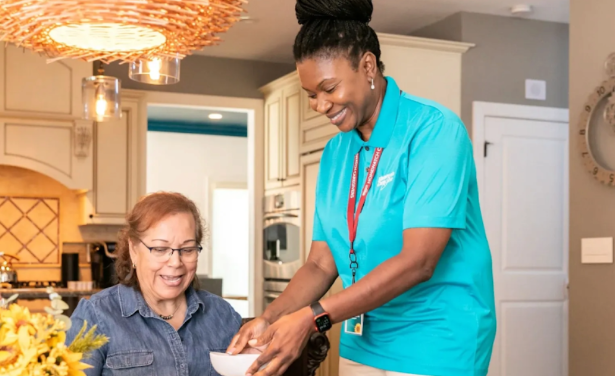
Isolation is a serious concern for many seniors. If you notice your loved one becoming more withdrawn or spending most of their time alone, it’s a good indication they may benefit from having someone around for companionship. A caregiver isn’t just there for physical tasks, they also provide social interaction, which is vital for emotional well-being.
Consider this scenario: a loved one who has lost the ability to drive or isn’t as mobile as before might begin to miss out on social events, family gatherings, or even routine activities like grocery shopping. In such cases, having a caregiver can improve their quality of life by providing both practical help and companionship.

When You Can't Be There Enough
As much as we want to be there for our loved ones, it’s not always possible. If you’re juggling a job, raising your own family, or living far away, it can be challenging to provide the support your loved one needs on a daily basis. It’s also common for family caregivers to experience burnout from trying to do it all. If you’re feeling overwhelmed, bringing in a professional caregiver can help ease the burden.
Home care services can be tailored to your family’s needs. Whether your loved one requires full-time care or just a few hours a week, we offer flexible solutions to make sure they are getting the right amount of help. With a dedicated caregiver from Homewatch CareGivers of Rock Hill, you can ensure that your loved one receives the support they need, while you focus on the other areas of your life.
When Recovery From Surgery Or Illness Is Needed
After surgery or an illness, many people require extra help at home to manage recovery. It’s important to assess how your loved one is doing post-procedure—are they able to follow through with doctor’s orders, handle their medications, and perform basic tasks around the house? If not, this could be a good time to consider home care.
Professional caregivers are skilled in providing recovery support, such as wound care, medication reminders, and help with mobility. They can also ensure your loved one follows post-surgery instructions to prevent complications. Many families find that home care provides the reassurance they need during this vulnerable time.
What Are The Benefits Of Starting Home Care Early?
While it’s tempting to wait until things get more challenging, starting home care early can provide significant benefits for both your loved one and your family. When home care is introduced before a crisis occurs, it can reduce stress, improve overall health, and allow your loved one to age in place comfortably.
Having a trained caregiver on board can also allow your family members to spend quality time with your loved one instead of taking on the role of primary caregiver. This helps strengthen relationships and creates a more positive caregiving experience. It’s always better to have a plan in place, and starting home care early can provide peace of mind for everyone involved.
Is It Ever Too Early To Start Home Care?
It’s important to remember that starting home care doesn’t always mean there’s a major crisis. Sometimes, having a little extra help a few days a week can make a big difference in improving your loved one’s quality of life. It’s not about waiting for a major health event; it’s about providing ongoing support that maintains their independence for as long as possible.
If you’re noticing small changes in your loved one’s ability to manage their daily life, it’s a good idea to explore home care options sooner rather than later. This proactive approach can help prevent bigger challenges down the line.

Conclusion
Deciding when to start home care is a personal choice that depends on many factors. It’s not just about the obvious signs like difficulty with daily tasks, but also about the more subtle signs, such as social withdrawal or the inability to manage a recovery process. By considering these moments and thinking ahead, you can ensure that your loved one receives the care and attention they deserve at the right time.
If you’re uncertain about the best time to start home care, we are here to help. We offer compassionate, professional care that is tailored to your loved one’s unique needs. We’re here to support you every step of the way, from initial consultation to ongoing care. Don’t wait until things get harder, let’s make sure your loved one gets the care they need today.
Personalized Home Care That Promotes Safety and Independence
→ Create a safe, supportive environment with tailored home care routines for your loved one.
→ Ensure peace of mind with customized care that meets your family’s unique needs.
→ Trust our experienced caregivers for reliable, compassionate support every step of the way.
Start providing your loved one with the care they deserve in Rock Hill today.
★★★★★ Rated 5/5 by 27+ families in Rock Hill for reliable, high-quality caregiving services.
Homecare Tips: