
What if the smallest change in your heart health today could quietly turn into a serious issue tomorrow without you even noticing? That is the reality many individuals and families face when dealing with heart conditions. These conditions rarely stay the same. They shift, respond to treatment, and sometimes worsen without obvious warning signs.
Table Of Contents:
- Understanding How Heart Conditions Change Over Time
- Why Consistency Matters More Than Occasional Check Ins
- The Role Of Daily Observation In Heart Care
- How Consistent Monitoring Supports Better Treatment
- Supporting Independence While Staying Safe
- Managing Heart Conditions As Part Of A Bigger Picture
- When Extra Support Becomes Essential
- Conclusion
- FAQs
This is why consistent monitoring is not just helpful, it is essential. When we stay aware of changes and respond early, we create a safer and more stable path forward. Let’s walk through why ongoing attention matters so much and how it shapes better outcomes for you or your loved ones.

Understanding How Heart Conditions Change Over Time
Heart conditions are not static. They evolve based on lifestyle, medication, stress levels, and overall health. That makes regular observation a key part of managing them effectively.
Why Symptoms Do Not Always Tell The Full Story
You might think you would notice if something was wrong. But many heart-related changes happen quietly. A slight increase in blood pressure, irregular rhythms, or fluid retention can develop without clear symptoms at first.
By the time visible signs appear, the condition may already need more serious attention. This is why we cannot rely only on how someone feels in the moment.
The Importance Of Tracking Patterns Over Time
Consistent monitoring helps us see patterns rather than isolated events. A single reading may not mean much, but repeated changes over days or weeks can reveal important trends.
When we track these patterns, we are better equipped to adjust care plans and prevent complications before they escalate.
Why Consistency Matters More Than Occasional Check Ins
Is checking in once in a while enough when dealing with something as critical as heart health? In most cases, it is not. Heart conditions require ongoing awareness, not occasional attention.
Small Changes Can Signal Bigger Issues
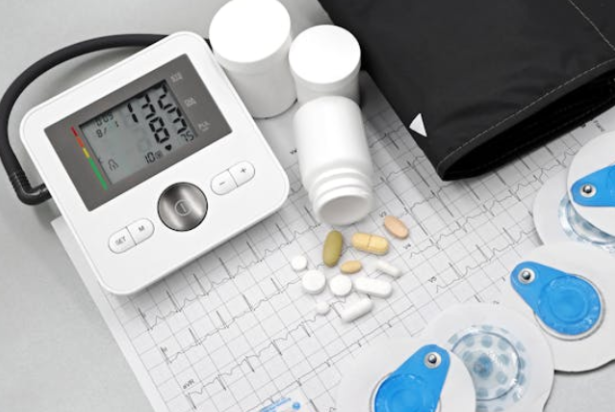
A minor fluctuation in heart rate or blood pressure might seem insignificant. However, when these changes happen repeatedly, they can point to underlying issues that need to be addressed.
Consistent monitoring allows us to catch these signals early instead of reacting when the situation becomes urgent.
Reducing The Risk Of Sudden Health Events
One of the biggest concerns with heart conditions is the risk of sudden complications. Regular monitoring helps reduce this risk by keeping us informed and prepared.
When we know what is happening day to day, we can act quickly if something changes.
The Role Of Daily Observation In Heart Care
Monitoring does not always mean complex medical procedures. Often, it involves simple daily observations that provide valuable insight.
What Should Be Monitored Regularly
There are several key factors that should be observed consistently:
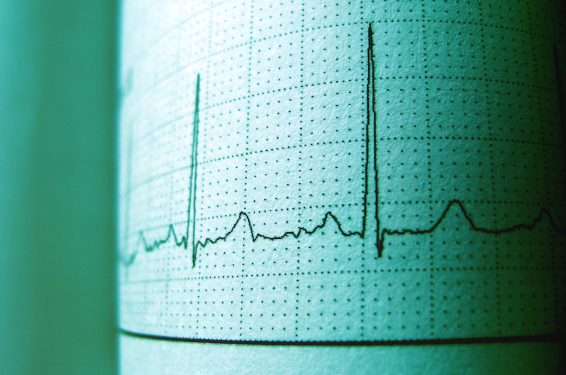
- Heart rate and rhythm
- Blood pressure levels
- Breathing patterns
- Swelling in legs or feet
These indicators help paint a clearer picture of how the heart is functioning.
Building A Routine That Supports Awareness
Creating a daily routine around monitoring makes it easier to stay consistent. Whether it is checking vital signs at the same time each day or noting changes in energy levels, these habits add up over time.
When we build monitoring into everyday life, it becomes less of a task and more of a natural part of care.
How Consistent Monitoring Supports Better Treatment
What happens when care decisions are based on real, ongoing information instead of guesswork? The quality of treatment improves significantly.
Helping Doctors Make More Informed Decisions
When healthcare providers have access to consistent data, they can make more accurate adjustments to medications and care plans. This leads to better outcomes and fewer surprises.
Without regular updates, treatment decisions may rely on incomplete information.
Preventing Over Or Under Treatment
Too much medication can be just as harmful as too little. Monitoring helps ensure that treatment stays balanced and appropriate for the current condition.
This level of precision is only possible when we have reliable, ongoing information.
Supporting Independence While Staying Safe
Many individuals with heart conditions want to maintain their independence. Consistent monitoring makes that possible without compromising safety.
Staying At Home With Confidence
When monitoring is part of daily life, individuals can continue living in familiar surroundings while still receiving proper care. This balance allows for both comfort and security.
Families can feel more at ease knowing that changes will not go unnoticed.
The Role Of Support Systems In Daily Monitoring
Having reliable support can make monitoring more effective. Trained caregivers can assist with tracking vital signs, observing changes, and ensuring that care plans are followed consistently.
This support helps reduce the burden on family members while maintaining a high standard of care.
Managing Heart Conditions As Part Of A Bigger Picture
Heart health does not exist in isolation. It is often connected to other conditions that require attention as well.

Understanding The Link Between Conditions
Conditions such as diabetes, high blood pressure, and respiratory issues can all impact heart health. Managing one condition often means considering how it affects others.
This interconnected approach is a key part of chronic condition management, where care is coordinated to address the full picture rather than isolated symptoms.
Why A Holistic Approach Leads To Better Outcomes
When we look at overall health instead of focusing on a single issue, we create a more effective care plan. This approach helps prevent complications and supports long-term stability.
Consistent monitoring plays a central role in keeping all aspects of health aligned.
When Extra Support Becomes Essential
How do you know when monitoring on your own is no longer enough? There are clear signs that additional support may be needed.
Recognizing When Care Needs Increase
If monitoring becomes difficult to manage or if health changes become more frequent, it may be time to bring in additional help. This ensures that care remains consistent and reliable.
Ignoring these signs can lead to gaps in care that increase risk.
The Value Of Professional Oversight
Working with experienced providers like Homewatch CareGivers of Rock Hill ensures that monitoring is handled with attention and consistency. Having trained individuals involved adds a layer of reliability that can make a significant difference.
This kind of support helps families feel more confident in the care their loved ones receive.

Conclusion
Heart condition care requires more than occasional attention. It demands consistency, awareness, and a proactive approach. When we monitor regularly, we gain the ability to respond early, adjust care as needed, and reduce the risk of serious complications.
This level of attention supports not only better health outcomes but also greater peace of mind for both individuals and their families. By making monitoring a regular part of daily life, we create a foundation for safer and more effective care.
Taking heart health seriously means staying informed, staying consistent, and staying prepared for whatever changes may come.
Consistent Heart Care Support That Keeps You Safe At Home
→ Ongoing monitoring and support to help manage heart conditions with confidence
→ Trained caregivers who stay alert to changes and keep families informed
→ Flexible care plans that support daily routines and long term heart health
Get dependable in home support with Homewatch CareGivers of Rock Hill.
★★★★★ Rated 5/5 by 27+ families in Rock Hill for reliable, high-quality caregiving services.
Homecare Tips: