
What helps a veteran keep everyday life feeling like their own when routines start getting harder to manage alone?
For many families, the best way to maintain a veteran's independence is through in-home support rather than relocation. VA Home and Community Based Services help elderly, disabled, or chronically ill veterans stay in familiar surroundings by assisting with essential daily tasks. Support with bathing, dressing, and meals preserves dignity and safety. Homewatch CareGivers of Southwest Broward provides specialized, individualized care to Fort Lauderdale & surrounds designed to sustain quality of life and support family caregivers.
Table Of Contents:
- Why Daily Independence Means More Than Doing Everything Alone
- What Veteran Home Care Can Support From Day To Day
- How Support At Home Protects Independence Over Time
- When A Veteran May Need More Help Than Family Alone Can Provide
- How To Think About Benefits, Fit, And The Next Step
- Conclusion
- FAQs
Why Daily Independence Means More Than Doing Everything Alone
A lot of families hesitate to ask for help because they worry support will take control away from the veteran. In reality, the right help often does the opposite. The VA describes Homemaker and Home Health Aide care as support that helps veterans remain in their own homes, and Veteran-Directed Care as a consumer-directed option that gives veterans more say in how services are arranged. That is an important shift in thinking. Support at home should make daily life feel more possible, not less personal.

Daily Routines Carry A Lot Of Dignity
What makes the difference between getting through the day and feeling in control of it?
Very often, it is the ability to handle the basics with less stress. The VA lists bathing, dressing, and fixing meals among the daily activities that home-based support can help with. When those tasks become exhausting or unsafe, it does not only affect convenience. It can affect confidence, privacy, and the sense that home is still working the way it should.
What Veteran Home Care Can Support From Day To Day
For many households, the hardest moments are not dramatic ones. They are the repeated tasks that come up every single day. Help with grooming, dressing, bathing, and getting ready can reduce strain and keep the morning or evening from becoming overwhelming. The VA’s Homemaker and Home Health Aide program specifically includes support with daily activities, and Homewatch’s Southwest Broward care plan information also includes personal grooming support such as bathing and dressing.
This is where veteran care in Fort Lauderdale often becomes most practical. It is not only about being present in the home. It is about helping routines happen in a way that feels calmer, safer, and more consistent for you or your loved one.
Mobility, Meals, And Everyday Safety
Independence can start slipping long before a family uses that word out loud. Maybe getting in and out of the shower is harder. Maybe moving from the bed to a chair takes more effort. Maybe meal prep feels tiring enough that regular eating starts to slip. Homewatch’s in-home care plan information includes assistance moving around the home, help with transfers such as getting in and out of the shower, chair, or bed, medication reminders, transportation help, and support with errands or appointments. The VA also notes that home aide services can include help with meals and other daily living needs.
You should pay attention when these daily tasks start getting skipped, rushed, or avoided. That is often when a little support can protect a lot of independence.
Companionship And Routine Still Matter
Not every loss of independence starts with physical decline. Sometimes it starts with isolation. The VA notes that some home-based services are also intended for veterans who are isolated, and Homewatch’s Southwest Broward materials include companion care to reduce loneliness and meaningful engagement as part of in-home support. That matters because daily independence is not only about hygiene and meals. It is also about staying connected to normal life and not feeling cut off inside your own home.

How Support At Home Protects Independence Over Time
The strongest benefit of home care is often simple. It helps veterans stay where they want to be. The VA states that Homemaker and Home Health Aide services can be used as an alternative to nursing home care and can help veterans of any age remain living in their own home. Veteran-Directed Care is built around that same goal by helping veterans receive home and community-based services in a way that supports living at home or in the community.
That does not mean every veteran needs the same level of help. Some people need a little support a few times a week. Others need more consistent assistance. What matters is recognizing that support can be scaled before a crisis forces a bigger decision.
Family Caregivers Need Support Too
Who keeps the household steady when the main caregiver is running on empty?
This part deserves more attention than it gets. The VA’s Respite Care program exists because family caregivers need time to run errands, rest, or step away without worrying that a veteran is alone and unsafe. The VA also notes that respite can lower stress for both the veteran and the family caregiver, and its caregiver benefits pages recognize the important role family caregivers play in a veteran’s health and wellness.
Bringing in professional caregivers does not mean the family has stepped back. It often means the family is making a smart choice to keep care sustainable. When support is shared, routines are more likely to stay steady and relationships are less likely to become strained by exhaustion.
When A Veteran May Need More Help Than Family Alone Can Provide
A veteran does not have to be in an obvious crisis to need extra help. Sometimes the signs are subtle. Meals get skipped. Bathing takes too much energy. Appointments become harder to manage. Transfers feel less secure. The house starts to feel more demanding than comforting. Homewatch’s care plan details and service overview point to personal care, companionship, medication reminders, mobility help, transportation, respite, and even 24-hour availability as areas where support can be adjusted to fit what daily life now requires.
You should not wait until one bad fall, one missed medication pattern, or one overwhelming week decides the issue for you. Often, the best time to ask for help is when things are becoming harder, not after they have already become unsafe.
Consistency Often Matters More Than Intensity
Some families assume home care only makes sense for severe needs. In practice, steady help with a few recurring tasks can make a major difference. The VA notes that services may be arranged several times a week or only once in a while based on assessed need. Homewatch’s Southwest Broward site also emphasizes person-centered plans, caregiver matching, and flexible support rather than one fixed level of care for everyone.
That flexibility matters for clients because daily independence is rarely lost all at once. It usually changes in stages.
How To Think About Benefits, Fit, And The Next Step
If you are exploring care, it helps to know that some veterans may qualify for VA support related to care at home. The VA’s Aid and Attendance and Housebound benefits provide monthly payments added to a VA pension for qualified veterans and survivors who need help with daily activities or who are housebound. The VA also offers Veteran-Directed Care and Homemaker and Home Health Aide services in many areas, though availability and clinical criteria can vary by location.
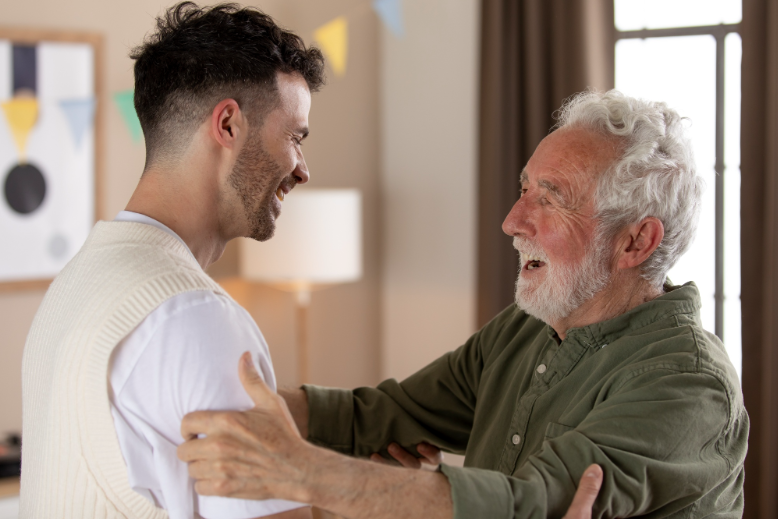
Homewatch’s Southwest Broward site also lists Veteran Aides & Attendance Pension among its payment options, which is one reason families often ask early questions about benefits while they are still comparing care needs and routines at home.
A Good Care Match Is About Trust And Follow Through
When families start comparing services, you should look beyond availability alone. The Southwest Broward Homewatch site says its caregivers are background checked, drug tested, and insured, with nurses on staff to customize plans of care and quality assurance visits made regularly or as needed when care needs change. Those details matter because daily independence depends on consistency, trust, and follow-through as much as it depends on the task list itself.
Conclusion
Veteran home care supports daily independence by helping the day stay workable. It can make personal care easier, movement safer, meals more regular, isolation less heavy, and caregiving at home more sustainable. Just as important, it can help veterans remain in the place they know best while receiving support that fits their actual routines instead of forcing a bigger move before it is truly necessary.
If you are noticing that daily life at home is becoming harder to manage, do not reduce the conversation to whether someone can still get by alone. Ask a better question. What kind of support would help life at home feel safer, steadier, and more like your own again? That is usually where the right next step begins.
Compassionate Veteran Home Care That Helps Daily Life Stay Safe And Independent
→ Get trusted support with routines that are becoming harder to manage
→ Receive personalized care that respects comfort, dignity, and independence
→ Find flexible help that supports both veterans and family caregivers
Connect with Homewatch CareGivers of Southwest Broward to explore the right care at home →
★★★★★ Trusted with a 4.9 rating from 162 reviews for compassionate home care in Southwest Broward
Home care tips: