
What happens when a loved one in Chesterfield can still manage many parts of the day, but the small tasks are starting to stack up faster than the family can handle? Senior home care planning often begins in that gray area. Nothing may feel urgent yet, but meals are less regular, showers feel risky, transportation is harder, and family check-ins become more frequent. We believe planning early helps you protect independence without waiting for a crisis. It also gives your loved one more room to share preferences while choices still feel calm.
Table Of Contents
- Start With What Daily Life Really Looks Like
- Build The Plan Around Safety And Comfort
- Decide Who Can Help And When
- Know What To Ask Before Choosing Care
- Make The Home Part Of The Care Plan
- A Calmer Way To Move Forward
- FAQs
Planning also gives the family a shared language. Instead of reacting to every new worry, you can name what is changing, decide what matters first, and agree on who will handle each step. That makes the conversation less emotional and more practical. It also helps the senior understand that care is not a punishment, but a way to keep daily life steady. That clarity can keep small concerns from becoming larger family arguments later for everyone involved.

Start With What Daily Life Really Looks Like
A strong care plan begins with observation. You do not need to judge every habit or turn each visit into an inspection. Instead, notice which routines have changed and which tasks now take more effort.
Watch For Patterns Around The Home
One missed meal or messy room may not mean much. Repeated skipped meals, piles of laundry, unopened mail, expired food, missed medication, or cluttered walkways deserve attention. These patterns can show where support would help most.
Ask Better Questions With Less Pressure
Try asking, which part of the day feels harder than it used to? That question invites honesty without blame. You should avoid leading with a long list of concerns, because it can make a senior feel corrected instead of supported.
Build The Plan Around Safety And Comfort
Home care should fit the person, not force the person into a rigid schedule. The first goal is to make everyday life safer while keeping familiar routines as intact as possible.
Look Closely At Movement
Stairs, bathrooms, rugs, dim hallways, and crowded rooms can turn simple routines into risks. You should think about where slips, fatigue, or confusion could happen. Small changes at home can make care easier and help your loved one move with more confidence.
Respect Private Routines
Bathing, dressing, grooming, toileting, and mobility help can feel sensitive. A care plan should protect dignity, privacy, and choice. Support with personal care should never feel rushed or cold. It should help a senior feel clean, comfortable, and safer.
Include Emotional Comfort
Safety is not only physical. A senior who is lonely, anxious, or bored may struggle more with meals, movement, and self care. Conversation, shared activities, and predictable visits can give structure to the day.
Decide Who Can Help And When
Many families begin by dividing tasks among relatives, friends, spouses, or neighbors. That may work for a while. Over time, though, the schedule can become uneven, and one person may carry most of the responsibility.
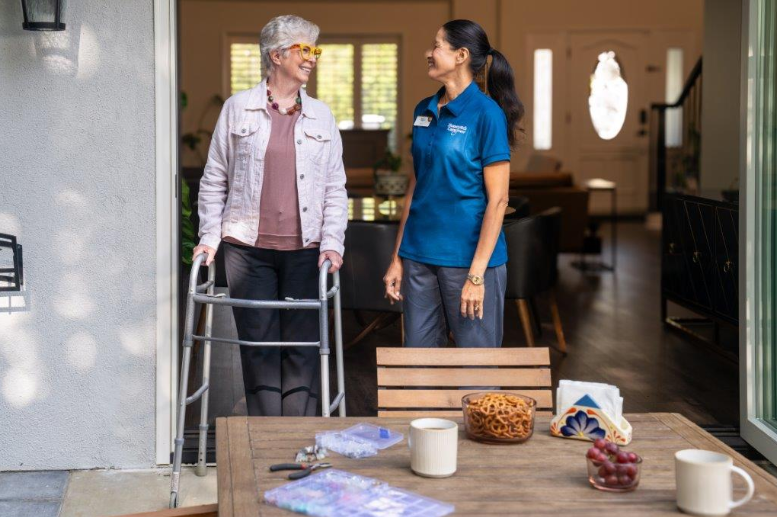
Be Honest About Family Limits
You should not build a care plan on guilt. Work schedules, children, distance, health, and emotional strain all matter. If a family helper is exhausted, the plan needs adjusting. Support should protect the seniors and the people who care about them.
Map The Hardest Times Of Day
Some seniors need help in the morning with bathing and dressing. Others need support around meals, errands, appointments, or evenings. Notice when stress repeats. The right schedule starts with the moments that create the most risk or worry.
Keep The Senior In The Conversation
Whenever possible, your loved one should help shape the plan. Ask about preferred routines, favorite foods, privacy, clothing, pets, visitors, and what kind of help feels acceptable. Choice can make care easier to accept.
Know What To Ask Before Choosing Care
Once you understand the daily needs, compare providers with practical questions. You are not only choosing a schedule. You are choosing people who will enter a private home and become part of daily life.
Use A Short List To Stay Focused
Bring a simple list to every care conversation.
- What routines are difficult, unsafe, or unfinished?
- How will caregivers be matched with personality and needs?
- Who should the family contact with concerns?
- How can the care plan change as needs change?
Listen For Clear Answers
You should feel that your questions are welcome. If answers are vague or rushed, slow down. Families need clear communication about scheduling, supervision, updates, and backup plans.
Think Beyond The First Week
A good plan should work now and adjust later. Ask how care changes after recovery, a fall, memory changes, or increased family stress. Flexibility matters because senior care rarely stays exactly the same.
Before deciding, compare what each provider can do with what your family truly needs. A helpful option should explain schedules, caregiver fit, changes in care, and communication in plain language. You should leave the conversation knowing the next step, not wondering what you agreed to.
Make The Home Part Of The Care Plan
Senior home care is not only about who visits. The home itself can support or challenge independence. Planning should include the spaces where daily routines happen. Keep those details visible during each decision.
Create Safer Paths
Move cords, clear walkways, improve lighting, and keep frequently used items within reach. You do not need to make the home feel unfamiliar. Small changes can reduce risk while keeping the space warm and personal.

Plan For Meals And Medication Reminders
Food and medication routines can slip quietly. Ask whether grocery help, meal preparation, hydration reminders, or medication prompts would make the week steadier. You should not assume a senior is eating well just because food is in the kitchen.
Support Life Outside The House
Appointments, haircuts, faith gatherings, lunch with friends, and errands may still matter deeply. If transportation has become difficult, care planning should include safe ways to stay connected with the Chesterfield community.
Match Caregiver Skills With Daily Needs
Ask how professional caregivers are selected, trained, and matched. A senior who needs mobility help, dementia support, companionship, or recovery support should receive care from someone prepared for that situation.
Keep Communication Simple
Families should know how updates are shared, who to call, and how concerns are handled. You should not have to repeat the same issue to several people before something changes. Clear communication lowers stress for everyone.
Review The Plan Regularly
Set times to ask what is working and what feels uncomfortable. A care plan should change when health, mood, mobility, memory, or family availability changes. Reviews help keep support useful without adding care that is not needed.
A Calmer Way To Move Forward
At Homewatch CareGivers of St. Louis, we understand that Chesterfield families often reach out when they are trying to plan carefully, not dramatically. You may be balancing safety, independence, privacy, cost, and family emotions all at once. That is a lot to hold.
Start Where The Stress Is Highest
Do not try to solve every concern in one afternoon. Start with the routine that creates the most worry, whether that is bathing, meals, medication reminders, transportation, or lonely hours. A focused start is easier for families and seniors.
Let The Plan Grow With The Person
Senior home care should not make life feel smaller. It should help ordinary days feel safer, cleaner, calmer, and more connected. When you plan around real routines, honest limits, and respectful support, your loved one can receive help without losing their voice in the process.
Senior Home Care Planning That Helps Chesterfield Families Feel Prepared
→ Build a care plan around real daily routines
→ Support safety, comfort, and independence at home
→ Adjust care as needs, schedules, and family concerns change
Connect with Homewatch CareGivers Of St. Louis to plan the right senior home care in Chesterfield →
★★★★★ Rated 4.4/5 by 8+ families in St. Louis for reliable, high-quality caregiving services.
Home care tips:
How Virtual Pet Visits Bring Joy and Connection to Home Care