
What tells you a caregiver will respect both your loved one's routine and your family's peace of mind? Hiring help in the home is personal. You are not only choosing someone to assist with meals, bathing, reminders, or companionship. You are inviting a person into familiar rooms, private habits, and moments that may already feel emotional.
We understand why families take this decision seriously. The right caregiver can help an older adult stay safer, more comfortable, and more connected. The wrong fit can create stress, confusion, or gaps in care. Good questions help you slow the process down and compare options with a clearer mind.
Table Of Contents
- Start With What Your Loved One Actually Needs
- Ask How Caregivers Are Screened And Trained
- Ask What The Care Plan Includes
- Ask About Safety In The Home
- Ask How Care Supports Independence And Dignity
- Conclusion
- FAQs
Before you hire a St Louis caregiver, think about daily needs, safety, personality, communication, training, and backup support. Your goal is not to find a perfect person. Your goal is to find dependable care that matches your loved one's life.
Start With What Your Loved One Actually Needs
Care should begin with the person, not a generic schedule. Before calling an agency or interviewing a caregiver, write down what is changing at home. Are meals being skipped? Is bathing harder? Has driving become unsafe? Is your loved one lonely, forgetful, or unsteady?
Ask About Daily Routines
A useful caregiver should understand how the day works. Ask how support would fit morning, afternoon, evening, and overnight needs. If your loved one likes a slow breakfast, a favorite chair, or a certain way laundry is handled, those details matter.
You should not feel silly mentioning preferences. Familiar routines can help older adults feel respected and less anxious.
Ask About Care Levels
Some families need a few hours of companionship each week. Others need help with personal care, dementia support, transportation, medication reminders, or 24 hour supervision. Be honest about what is needed now and what may be needed soon.
A good conversation should include flexibility. Needs often change after a hospital stay, fall, illness, or new diagnosis.
It can also help to ask how the first few visits are introduced, especially if your loved one is hesitant. A gentle start can make care feel less like a disruption and more like helpful company in a familiar home. Small early adjustments can protect trust and make future conversations about support easier for your family.
Ask How Caregivers Are Screened And Trained
Who is walking into your home, and how were they chosen? This is one of the most important questions you can ask. Families should know whether caregivers are background checked, trained, supervised, and matched thoughtfully.
Screening Should Be Clear
Ask whether background checks are completed and how references are reviewed. Ask if caregivers are employees or independent contractors. Ask who handles taxes, insurance, scheduling, and replacement care if someone cannot come.
These details may sound administrative, but they affect your risk and peace of mind. You should not have to guess who is responsible when something changes.
Training Should Match The Care Need
Care for an active senior is different from care for someone with dementia, mobility concerns, Parkinson's symptoms, or recovery needs after surgery. Ask what training caregivers receive and how skills are refreshed over time.
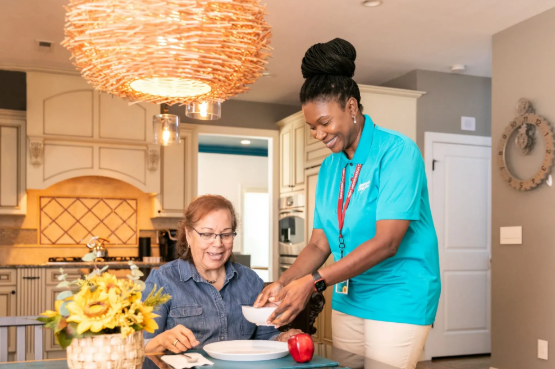
When families work with professional caregivers, they should expect more than kindness. They should expect preparation, respectful boundaries, and practical knowledge that supports safety.
Ask What The Care Plan Includes
A care plan turns concern into daily action. Without one, everyone may have a different idea of what the caregiver should do. That can lead to missed tasks or unrealistic expectations.
Details Make Care Easier To Follow
Ask what the written plan includes. Does it cover meals, bathing, dressing, light housekeeping, transportation, companionship, mobility support, reminders, and safety concerns? Does it note preferences, routines, allergies, fall risks, and family contacts?
You should also ask how often the plan is reviewed. Care should not stay frozen when your loved one's needs change.
Communication Should Be Built In
How will you know what happened during the visit? Ask whether caregivers leave notes, use an app, call family, or report changes to a care coordinator. Families need updates without feeling like they have to manage every detail.
Strong communication helps you spot changes early. A missed meal, new confusion, unusual fatigue, or increased pain may be important.
If your family shares responsibilities across siblings or relatives, ask who receives updates and how concerns are handled. Clear contact rules prevent mixed messages and help everyone respond calmly when care needs shift during a normal week.
Ask Questions That Reveal Fit And Trust
Credentials matter, but so does fit. A caregiver may be qualified and still not be the right match for your loved one's personality. Ask questions that show how the caregiver handles real moments.
Use this short list during interviews or consultations.
- How do you build trust with someone who is unsure about help?
- What would you do if my loved one refused care?
- How do you handle privacy during bathing or dressing?
- What changes would you report to the family right away?
- How do you encourage independence without rushing?
These questions move beyond basic availability. They show whether the caregiver can stay patient, respectful, and calm when care gets complicated.
Personality Can Affect Consistency
Some older adults prefer quiet help. Others enjoy conversation, humor, music, or errands. A thoughtful match can make care feel less intrusive. Ask how caregiver matching works and what happens if the fit is not right.
You should not ignore discomfort. If your loved one feels uneasy, listen and ask for support.
Ask About Safety In The Home
Is the home helping your loved one stay independent, or quietly making daily life harder? A caregiver often sees risks that family members miss because they are used to the space.

Fall Prevention Should Be Part Of The Conversation
Ask whether caregivers look for fall risks such as loose rugs, poor lighting, clutter, slippery bathrooms, or hard-to-reach items. Ask how they support transfers, stairs, walking, and safe movement.
A caregiver should not replace medical advice, but daily observation can help reduce preventable problems.
Emergency Plans Matter
Ask what happens if your loved one falls, becomes ill, refuses medication, wanders, or has sudden confusion. Who is called first? What information is kept on hand? How are incidents documented?
Families should also provide medication lists, physician contacts, emergency contacts, and known health concerns. The more prepared everyone is, the calmer urgent moments can be.
Ask How Care Supports Independence And Dignity
Good care is not about taking over every task. It is about helping someone do what they safely can while providing support where it is truly needed. That balance protects confidence.
Support Should Not Feel Like Control
Ask how caregivers encourage participation. Can your loved one help choose meals, fold towels, water plants, or take a short walk? These ordinary moments can support purpose.
This is where active care matters. Care should include engagement, movement, conversation, and attention to the person's abilities, not only completion of tasks.
Respect Should Be Visible
Listen for language that honors your loved one. Care should be patient, private, and kind. Rushed help can make someone feel small. Respectful help can make difficult routines feel more manageable.
Homewatch CareGivers of St. Louis provides support that feels personal, consistent, and attentive to safety while still protecting dignity at home.
Conclusion
Hiring a St Louis caregiver is a meaningful decision, and your questions matter. Ask about needs, screening, training, care plans, communication, safety, emergencies, personality fit, and independence. The answers will help you see whether a provider is prepared to support your loved one with care that feels steady and respectful.

You should not rush because a situation feels stressful. Start with what your loved one needs today, then consider what may change over time. When care is planned well, the home can remain familiar, routines can feel safer, and families can feel less alone in the responsibility.
Trusted Caregiver Support That Helps Families Choose With Confidence
→ Ask the right questions before starting home care
→ Find care that fits your loved one’s routines and needs
→ Get dependable support from trained local caregivers
Connect with Homewatch CareGivers of St. Louis to discuss the right care plan →
★★★★★ Rated 4.3/5 by families in St. Louis for reliable, high-quality caregiving services.
Home care tips:
How Virtual Pet Visits Bring Joy and Connection to Home Care