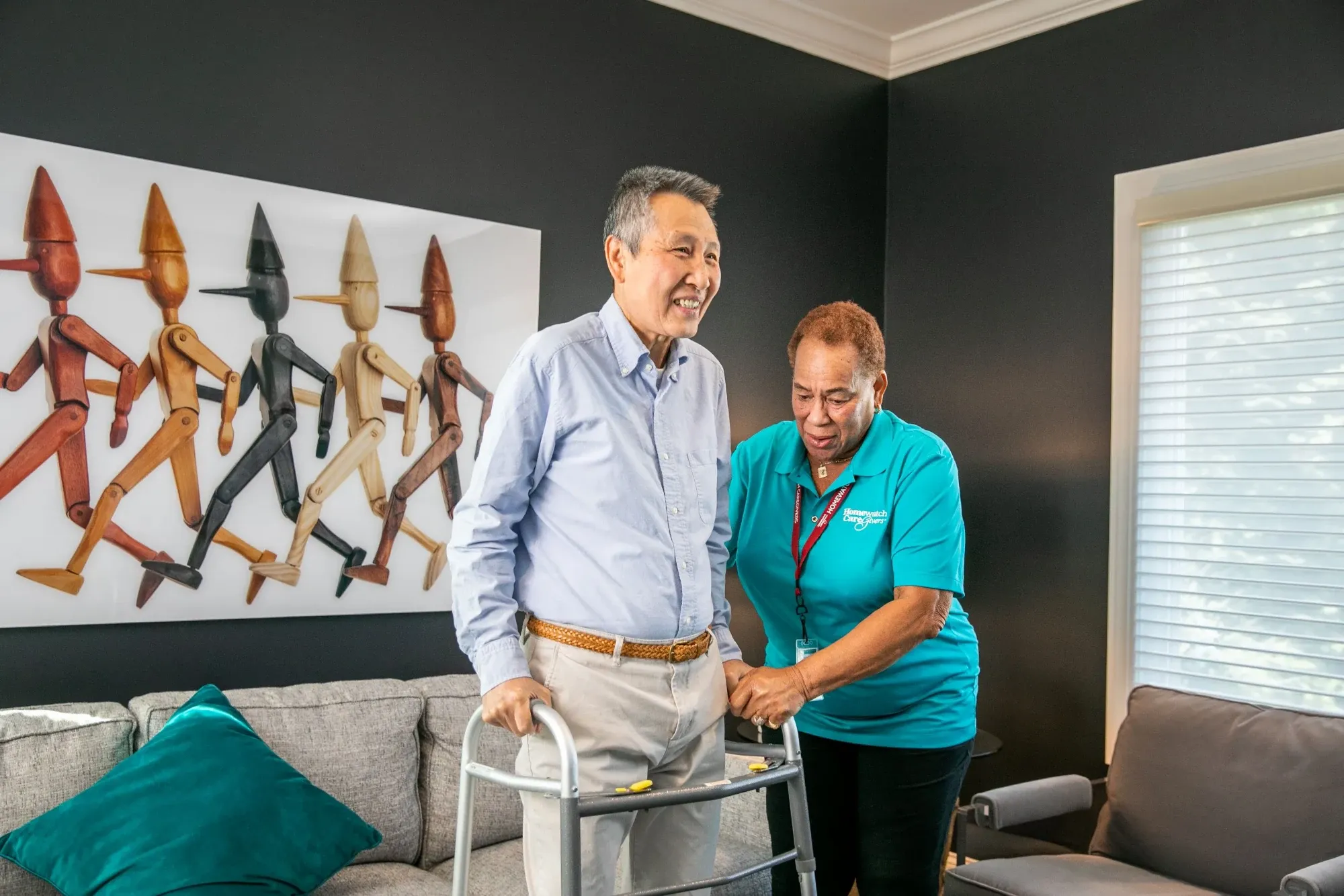


Customized Care Plans
Tailored to the unique needs of you or your loved ones.
The BEST caregiving service EVER! Chandeep was our incredible account manager. She was always available to us and returned messages immediately. The caregivers we received from Homewatch were not only professional and on time, they were also so caring and made my mom's life so much easier and happier. She especially loved Carla and Kupra (Nora). We are so grateful for Homewatch's complete service...they could not have done a single thing better. Even Charles in Accounting is amazing! They are a few dollars more than some of the other companies and SO WORTH IT!
Kim H
Jun 30, 2026
HomeWatch has been a Godsend, having helped 3 generations of my family. We first used them to help support my grandmother in her final days, mostly to help with socialization, but they were also instrumental in helping her with daily tasks and notifying us of any changes in her health or demeanor. Then my mother hired HomeWatch for her own recovery after an injury a few years later. They helped her recover at home and also drove her to follow up Doctors appointments. She became so close to her 2 caregivers, Beatrice and Consuela, that she stayed in touch with them for years after working with them. Most recently, HomeWatch was enlisted to help my brother and then myself, to recover after our various surgeries. Johnathon, Ike and Marta were especially wonderful with my brother. Each caregiver was polite, delightful, and intuitive to his needs. I was blessed to work with Precious, Michelle and Rosie after my procedure. Each was supportive and personable, and Precious in particular did a marvelous job helping me with my cats’ needs as well- they adored her! HomeWatch goes above and beyond, that’s why we continue to use them for ongoing support as well as recommending them far and wide. Very impressed with the patience, compassion, integrity, commitment and competency of every caregiver who has entered our home. Kimberly is always sending her HomeWatch Angels to help out our family!
Kristina S
Jun 29, 2026
Home Watch has performed far better than expected. From our initial interview to our last day of service was more than we could have hoped for.
George Marchmont
Jun 28, 2026
Of course! It’s Homewatch Caregivers! Amazing team , amazing services, amazing Opportunities! Im so glad to work with this amazing company!!
FARIS ALOBOUDI
Jun 20, 2026
Excellent support, care, and guidance. Chandeep has been a pleasure to work with. Her bedside manner, compassion, and true desire to help have been godsends. Thank you Chandeep and to the team of professional caregivers for helping us through this difficult time.
Jeff Hanhan
Jun 08, 2026
We needed sudden in home care for my father after he took a sudden decline - I received HomeWatch Caregivers from a colleague and they were amazing- Andrew came to do an introductory visit and assessment and his thoughts were spot on- he could see what we needed and put a plan into motion extremely quickly- we had 24/7 caregiving in place with experienced caregivers within a day. The group of caregivers were amazing. I would recommend them to anyone
Tammy Kang
May 25, 2026
My family is incredibly grateful for the outstanding care and support provided by our at-home care manager, Kim Pierce, and our at-home caretaker(s), Mariah, Marisol and Tish, for my 100-year-old grandfather! From day one, they have shown genuine compassion, patience, professionalism, and attention to every detail of his needs. Managing care for a loved one at this stage in life can be overwhelming, but they have made the entire process smooth and reassuring for our family. They consistently go above and beyond to ensure my grandfather has been comfortable, respected, and well cared for. Their communication is excellent, and they treat him with kindness and dignity at all times. It is rare to find a care team so dedicated and trustworthy. Our family truly appreciates everything they have done, and we highly recommend Kim and her team of nursing aids at Homewatch CareGivers of Houston Galleria to anyone looking for exceptional home care support.
Lauren Jaehne
May 12, 2026
After my husband had two emergency surgeries in a week, I was extremely concerned about what would happen when he came home, because when he was given discharge instructions we each heard something different even though we were both right there. We did not agree on what was said or on the importance of actually doing it. He also made it clear that he did not want me to tell him what to do. Kimberly Pierce, our care manager, was a gift from God. She was a neurology ICU nurse for 16 years, and was able to explain what needed to be done and exactly why it was important and necessary. When I thanked her for helping us both understand and get on the same page instead of arguing and becoming upset, she joked that saving marriages was all just part of her job.
Anonymous
May 09, 2026
I got excellent and immediate assistance at home around the clock from Homewatch after I had surgeries at Methodist Hospital. On short notice, they sent a representative to the hospital to assess my needs, drove us to our home when I was released from the hospital, and then healthcare workers worked shifts for several days to provide home assistance until I was better. Excellent service and responsiveness all around.
Daniel McClure
May 03, 2026
I wanted to add some comments about the very caring caregivers from Homewatch Randy, Loretta, Rocio, and Victoria, went over and above to make my father in law feel comfortable in his last days. They were a blessing to our family and I highly recommend them DRU
Donna
Apr 29, 2026
Authority Brands is the leading provider of in-home services, building brands that support the success of franchisees as well as better the lives of the homeowners we serve and the people we employ.