
What changes when a Rock Hill senior who once moved through the day starts skipping meals, leaving laundry unfinished, or avoiding the bathroom because it no longer feels safe? Daily routines often tell families what words do not. A senior may say everything is fine, while the home, clothing, fridge, and calendar suggest that tasks are becoming harder. That does not mean independence is gone. It means support may help daily life feel safer, calmer, and more manageable. Support should also protect comfort while keeping routines familiar for everyone involved.
Table Of Contents
- Daily Routines Can Reveal More Than A Conversation
- What Everyday Help May Look Like At Home
- When Family Support Starts Feeling Stretched
- Choosing Support That Fits A Senior’s Real Day
- Personal Tasks Need Extra Respect
- How We Help Families Think Through The Next Step
- A Calmer Way Forward For Rock Hill Seniors
- FAQs
Daily Routines Can Reveal More Than A Conversation
Many seniors work hard to protect their privacy. They may downplay sore joints, balance problems, low energy, or memory slips because they do not want others to worry. We understand that, and you should approach these changes with patience instead of panic.
Notice Patterns, Not One Rough Day
Everyone has an off day. The concern grows when skipped meals, missed medication, poor hygiene, unopened mail, cluttered walkways, or canceled plans happen again and again. A pattern can show where help would make life easier without taking over.
Ask What Feels Harder Lately
A simple question can open the door. You might ask, which part of the day feels more tiring than it used to? That kind of wording feels less critical than pointing out every problem. Seniors are more likely to accept support when they feel heard, not inspected.
What Everyday Help May Look Like At Home
Daily support can be flexible. Some seniors need help a few hours a week. Others need steady care because mobility, memory, illness, or recovery has changed what they can safely manage. The best plan starts with real routines, not assumptions.
Safer Starts And Calmer Evenings
Morning and evening tasks can be the hardest. Bathing, dressing, grooming, toileting, getting in and out of bed, and walking through the home all require strength and confidence. If these moments feel rushed or risky, support can reduce stress.
Meals, Water, And A Comfortable Home
A senior may stop cooking because standing hurts, grocery trips feel tiring, or food preparation has become confusing. Help with meal preparation, hydration reminders, dishes, laundry, and light housekeeping can keep the home more comfortable while protecting familiar habits.
Companionship Counts Too
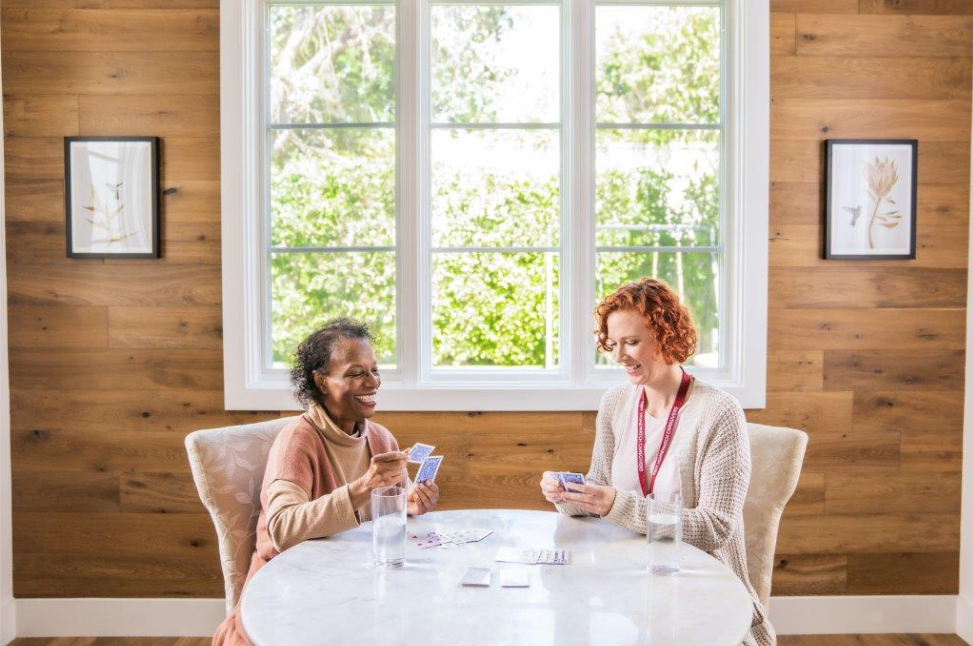
Does the senior in your life seem quieter, less active, or disconnected from favorite routines? Companionship can bring conversation, walks, games, errands, and gentle reminders back into the day. Help is not only about tasks. It is also about feeling seen.
When Family Support Starts Feeling Stretched
Family members, friends, neighbors, and spouses often step in before anyone calls it caregiving. You drop off groceries, drive to appointments, organize medicine, check the thermostat, and fix small household issues. Slowly, the list grows.
You Should Not Wait Until Everyone Is Exhausted
When care becomes constant, it can affect your work, sleep, relationships, and health. You should not ignore your own limits. Asking for help does not mean you are stepping away. It can help you stay present without carrying every responsibility alone.

Safety Should Shape The Timing
A fall, a forgotten stove, spoiled food, or repeated medication confusion may be a sign that daily routines need more structure. You should not wait for an emergency if warning signs are already clear. Starting earlier can make the change feel less sudden.
Privacy Matters For Seniors
Some seniors feel embarrassed when relatives help with bathing, dressing, or toileting. Support from professional caregivers can protect privacy while giving families peace of mind. The right caregiver understands how to assist without making a person feel rushed or exposed.
Choosing Support That Fits A Senior’s Real Day
A good care plan should feel like it belongs in the senior’s life. It should respect household rhythms, preferred foods, hobbies, visitors, pets, and the way the person likes to move through the day.
Walk Through The Home With Fresh Eyes
Look for dim hallways, loose rugs, crowded bathrooms, laundry on stairs, hard-to-reach dishes, and furniture that blocks movement. You do not need to make the home feel clinical. Small changes can make daily routines safer and easier.
Keep The Senior In The Conversation
Whenever possible, include the senior in decisions. Ask what kind of help feels acceptable and what feels uncomfortable. You should not make every choice around them if they can still speak for themselves. Choice helps care feel respected.
Use A Short Planning List
One small list can keep the conversation focused.
- Which daily task feels unsafe right now?
- What time of day causes the most stress?
- Which routines matter most to keep familiar?
- How should the family receive care updates?
Match Help To Personality
Skills matter, but personality matters too. A quiet senior may prefer a calm caregiver. A social senior may welcome conversation. A good match can make care feel less like a service and more like trusted daily support.
Personal Tasks Need Extra Respect
Bathing, dressing, grooming, mobility, toileting, and continence support can be sensitive. If the senior resists help, the reason may be pride, fear, modesty, or worry about losing control. You should not turn the conversation into a battle.
Use Gentle Language
Instead of saying, you cannot manage this anymore, try saying, "Would it feel safer if someone helped with the tricky part? The goal is to lower the pressure. Seniors often respond better when support is framed as comfort and safety, not loss.
Focus On Dignity First
The goal of personal care is to help a senior stay clean, comfortable, and safer while preserving as much independence as possible. That may mean standing nearby during a shower, helping with clothing, supporting transfers, or assisting more directly when needed.

Speak Up When Something Feels Off
If care feels rushed, confusing, or uncomfortable, you should say something early. A care plan should adjust as needs change. Seniors deserve support that feels steady, kind, and clear.
How We Help Families Think Through The Next Step
At Homewatch CareGivers of Rock Hill, we understand that families often reach out when daily routines have become stressful, but they are unsure how much support is appropriate. The next step does not have to be dramatic. It can begin with a careful look at what is hard, what is unsafe, and what the senior still wants to do independently.
Start With The Right Amount Of Help
A few visits each week may help with meals, bathing, housekeeping, errands, or companionship. More frequent care may be better when safety concerns happen every day. You can start with what makes sense now and adjust later.
Keep Communication Simple
Families should know how updates are shared, who to call with concerns, and how changes in care are handled. Clear communication reduces stress. It also helps everyone understand what is improving and what still needs attention.
Watch For Relief In The Home
Good support often shows up as a calmer routine. The senior may feel less anxious. The home may feel more organized. You may stop worrying through every quiet hour. Relief is not a small thing when daily care has been weighing on everyone.
A Calmer Way Forward For Rock Hill Seniors
Daily routines can show when a senior needs help, but they can also show where independence can still be protected. You do not have to solve every concern at once. Start with the tasks that are unsafe, exhausting, or consistently unfinished. Talk with the senior in your life. Look closely at the home. Notice what would make each day feel steadier.
Home care should not make a senior feel smaller. It should help ordinary days feel cleaner, safer, and more connected. When you focus on dignity, timing, communication, and the routines that matter most, you can choose support with more confidence and less guilt.
Daily Routine Support That Helps Rock Hill Seniors Stay Safe At Home
→ Get help with bathing, meals, mobility, and daily tasks
→ Keep familiar routines with respectful in-home support
→ Adjust care as daily needs and comfort levels change
Connect with Homewatch CareGivers Of Rock Hill to start the right level of care at home →
★★★★★ Rated 5/5 by 27+ families in Rock Hill for reliable, high-quality caregiving services.
Homecare Tips: