Medical services are not available in Connecticut. Visit the local Connecticut websites to view a list of services offered
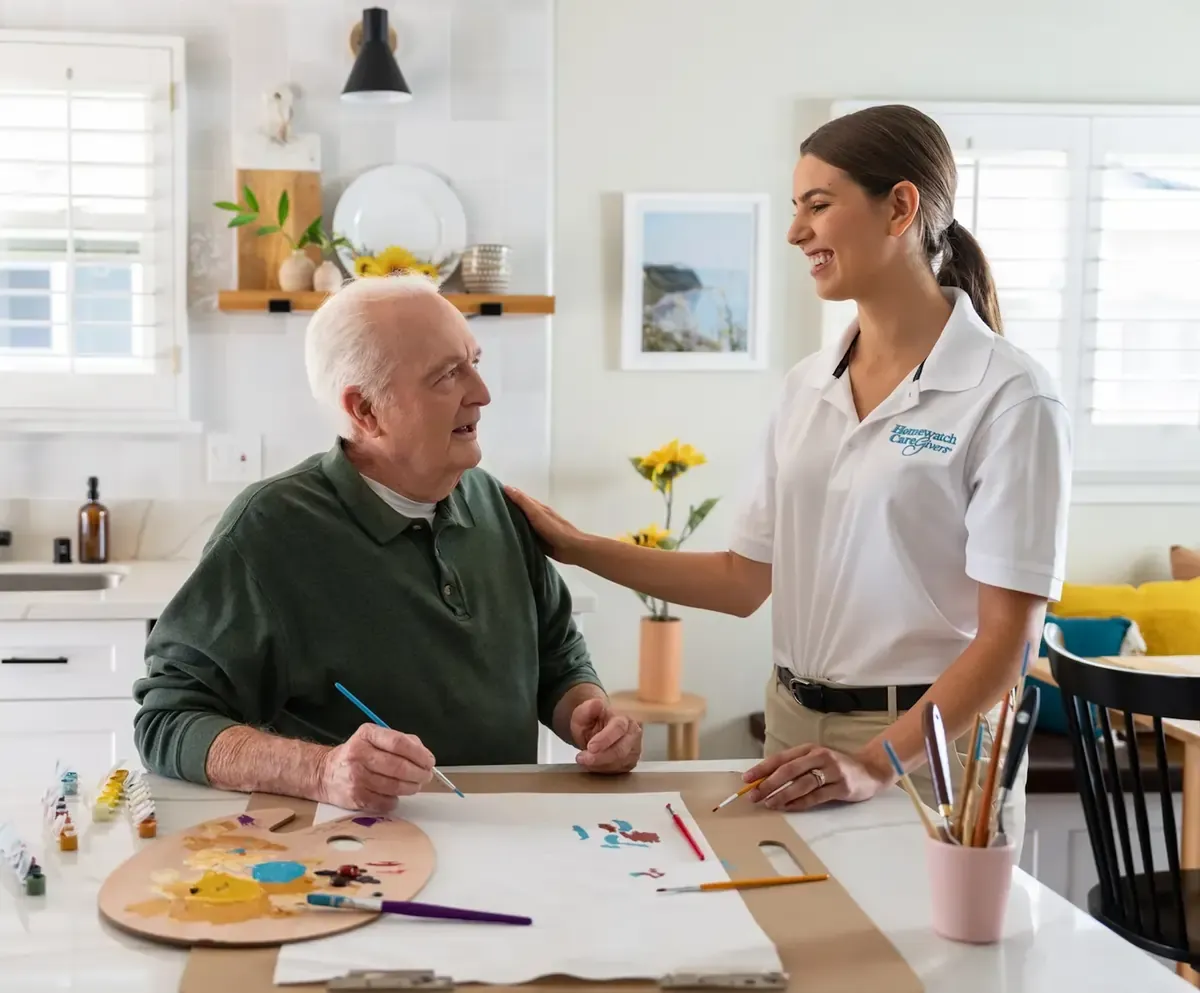
As people progress through Alzheimer’s disease and steadily lose many basic abilities, it is important for in-home caregivers to continue relating to that person in familiar ways. Monica Moreno, director of Early-Stage Initiatives at the Alzheimer’s Association, offers helpful tips for dementia caregivers as they support a loved one through their disease progression.
“People living in the early stages of Alzheimer's can still engage in activities and make meaningful contributions that bring purpose to their lives,” said Moreno. “As the disease progresses, it is important to continue engaging the person with Alzheimer's mentally, physically and socially.”
Particularly in the early and middle stages of Alzheimer’s disease when most people still have mobility and the ability to talk, caregivers can provide valuable daily routines for their loved one.

If you or someone you love is seeking home care services, call (888) 404-5191 or complete our online form
Get Care TodayAlzheimer’s disease is the most common form of dementia, but there are many others. Each type of dementia has unique symptoms and affects individuals differently. As physical and mental changes occur with any kind of dementia, find out what you can do to prepare yourself and your family. Our guide includes empathy and communication tips, along with practical ideas for making the person’s home safe.
If you’re providing in-home dementia care for a loved one, it requires both planning for practical needs (such as their safety, meals, and medications) as well as ensuring their emotional needs are met. In many cases, these two things can be combined when planning activities of daily living (ADLs) that can help your loved one retain some of their independence, maintain their home and hygiene, and even help their memory and overall sense of well-being.
Things as simple as putting away laundry, folding clothes, putting away dishes, raking leaves, and other ordinary household chores can be reassuring and help the person with Alzheimer’s still feel useful. Furthermore, helping a person living with dementia with daily tasks gives a caregiver the opportunity to watch over them and help them avoid an activity that may cause them to fall. A helper or in-home caregiver can also take on some of the riskier activities that put the person living with dementia in a more hazardous position.
green_box_body
<p>Alzheimer’s disease is the most common form of dementia, but there are many others. Each type of dementia has unique symptoms and affects individuals differently. As physical and mental changes occur with any kind of dementia, find out what you can do to prepare yourself and your family. Our guide includes empathy and communication tips, along with practical ideas for making the person’s home safe.</p>
callout_cta_text1
Get Care Today
faqs
[]
hero_image_alt
hero_title
Living with Dementia
hero_image_id
3319297
callout_body1
<p>If you or someone you love is seeking home care services, call <a target="_blank" class="c-link" data-stringify-link="tel:8884045191" data-sk="tooltip_parent" href="tel:8884045191" rel="noopener noreferrer">(888) 404-5191</a> or complete our online form</p>
faq_title
grey_box_body
<h3>Tips for Coping with Dementia</h3> <p class="04-Paragraph">If you’re providing in-home dementia care for a loved one, it requires both planning for practical needs (such as their safety, meals, and medications) as well as ensuring their emotional needs are met. In many cases, these two things can be combined when planning activities of daily living (ADLs) that can help your loved one retain some of their independence, maintain their home and hygiene, and even help their memory and overall sense of well-being. </p> <p class="04-Paragraph">Things as simple as putting away laundry, folding clothes, putting away dishes, raking leaves, and other ordinary household chores can be reassuring and help the person with Alzheimer’s still feel useful. Furthermore, helping a person living with dementia with daily tasks gives a caregiver the opportunity to watch over them and help them avoid an activity that may cause them to fall. A helper or in-home caregiver can also take on some of the riskier activities that put the person living with dementia in a more hazardous position.</p>
hero_image
/img/upload/f344304f990c9b060f2cbcb5e81e8a4ff4a1fd8b-4-1.jpg
content_block_body1
<h2>Tips from Dementia Care Experts</h2> <p class="04-Paragraph">As people progress through Alzheimer’s disease and steadily lose many basic abilities, it is important for in-home caregivers to continue relating to that person in familiar ways. Monica Moreno, director of Early-Stage Initiatives at the Alzheimer’s Association, offers helpful tips for dementia caregivers as they support a loved one through their disease progression.</p> <p class="04-Paragraph">“People living in the early stages of Alzheimer's can still engage in activities and make meaningful contributions that bring purpose to their lives,” said Moreno. “As the disease progresses, it is important to continue engaging the person with Alzheimer's mentally, physically and socially.”</p> <p class="04-Paragraph">Particularly in the early and middle stages of Alzheimer’s disease when most people still have mobility and the ability to talk, caregivers can provide valuable daily routines for their loved one.</p>
callout_cta_url1
/contact-us/get-care-today/
green_box_title
Dementia Diagnosis